Check yourself
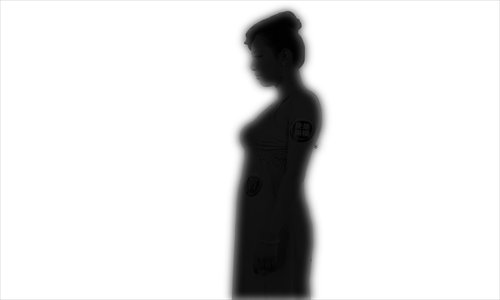
When Xing Mei found out she had a tumor in her breast at age 23, she was depressed.
She didn't have any idea her breasts could become diseased, so the finding was shocking to her. She worried the doctor would remove her entire breast.
She had an operation to remove the tumor and, to her relief, it didn't affect the shape of her breasts. She is healthy now and watching her diet, but she also warns that many women in China are still not conscious about the health of their breasts.
The breast cancer rate in Beijing has almost doubled in nine years, from 31.88 to 61.66 in 100,000 people, according to a Beijing Municipal Health Bureau released in October 2012.
US celebrity Angelina Jolie recently announced her decision to have a preventive double mastectomy because she carried the BRCA1 gene that has a high risk of causing cancer.
Li Huiping, a doctor from the Beijing Cancer Hospital, said it's not recommended that everybody do what Jolie did, but added that Chinese women should pay more attention to the health of their breasts.
Some groups have a high risk of breast cancer, Li said, including those who have a genetic history of breast cancer, those who have already had breast cancer, and those who have detected the BRCA1 gene, like Jolie.
Breast cancer can be cured if found early. "Among patients, about 70 percent or more can be cured by an operation," Li said.
Since early detection can save your life, knowing how to prevent and check for breast cancer is important.
People over 35 years old face a high risk of breast cancer, said Xia Ying, a consulting doctor at Beihai Hospital.
"If lumps develop in your breast, we suggest you go to the hospital to check whether it's breast cancer," she said.
Diet is important in preventing breast cancer, Li said, pointing out sports activities and avoiding alcohol or fried food can help as well.
Xia and Li suggest women should examine their breasts themselves each month, by pressing on their breasts and checking for lumps.
Li says the self-examinations shouldn't completely replace regular hospital checks.
Women between 20 and 40 should get a mammogram at hospitals every two to three years, women between 40 and 50 should check every year and a half, and women over 50 should do breast checks annually, Li said.
It's been eight years since Xing, now a 31-year-old interior designer, developed the tumor.
Xing has entirely changed her living habits. "Ever since my operation, I had been keeping an eye out on my health," she said.
"I eat less meat and pickled food, and more fruits and vegetables, because it's harder for cancer cells to develop this way. I also get massages and do yoga."
She also tries to adjust her mood because it might also have an effect on the disease.
She stopped actively worrying about developing breast cancer, but the danger never left her mind.
Now she goes for annual health checkups every year.
Xing urges other women to become more health conscious and take care of their bodies as well.