HOME >> METRO BEIJING
Yeast & West
By Hannah Leung Source:Global Times Published: 2013-6-20 20:03:01
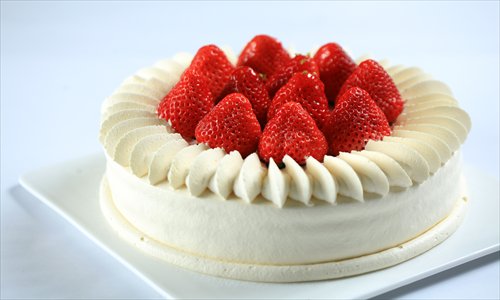
When essential ingredients are impossible to find here, bakers look abroad. Photo: Courtesy of Ivy Xiu
Beijing may not be a city renowned for its baked goods, but it is certainly not the pastry wasteland that it used to be. Despite the challenges of sourcing basic ingredients domestically, various Western bakeries and sweets shops are finding a way to bring fresh treats to eager consumers.
Mrs Shanen's, a restaurant in Shunyi, used to be one of the very few places where expats could get a proper New York-style bagel - available in 25 varieties. But new arrivals like Tavalin Bagels are quickly gaining steam.
At Tavalin Bagels, which opened up its Sanlitun storefront in January, a bagel slathered with a generous amount of cream cheese comes wrapped in aluminum foil at a very reasonable 15 yuan. Options are much like what would be found in any New England deli (Tavalin is from Vermont). Bagels are available in flavors like sesame seed, onion and "everything," and cream cheese blended with sun-dried tomatoes, rosemary and lox are among the more popular toppings.
Julian Tavalin, who started the business with two partners, said he went through hundreds of batches before perfecting the current recipe.
One of the biggest obstacles to baking in Beijing involves the most basic ingredient: wheat flour. Chinese white flour, used to make jiaozi and the like, just won't do if you want to make Western pastries properly.
"They grow soft wheat in China, while hard wheat is what they use in places like the US. Hard wheat has higher gluten content," said Tavalin.
In layman's terms, this means that soft flour, with its lower gluten content, often results in more flaky-textured pastries - not exactly what you'd want to taste in a chewy bagel or baguette. Importing materials, then, is what most Western bakeries must do.
"It's non-negotiable. You can taste the difference immediately. Though Western options are more expensive, you can't skimp," said Tavalin.
As a result, he said, all the "important" ingredients must be imported. The flour (General Mills) and cream cheese are shipped from the US. The salt, he added, is from China.
Tavalin has discovered some ways to "localize" the recipe. He uses large rice cookers to boil the bagels before baking them. But apart from machines that do the kneading, the small team manages everything else by hand. In total, a bagel takes 12 hours to make.
Other bakeries have encountered the same sourcing dilemma - and decided that certain ingredients are worth the hassle of bringing in from overseas. Ivy Xiu, the owner of Flour, a boutique cake shop with locations in Sanlitun SOHO and Central Park, imports all the chocolate used in the cakes. Even the food coloring is imported from the US. But relying on imports can be a tricky business. When raw ingredients are shipped thousands of miles, things can go wrong. For example, the packages sometimes end up stuck in customs. That's why the last resort involves the old-fashioned route.
"Sometimes, when one of us
goes abroad, we will pick up hard-to-get items and bring them back personally," said Xiu.
Posted in: Metro Beijing