Unique buy
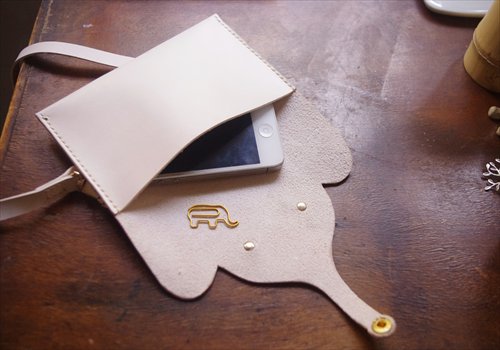
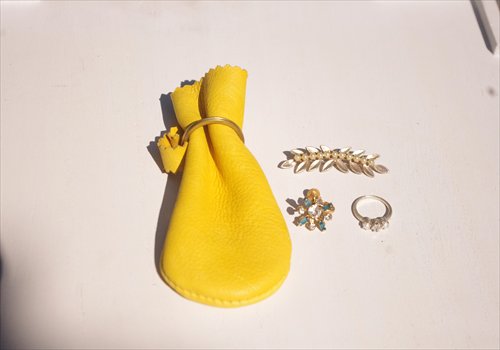
Handmade items by Wang Luting Photos: Courtesy of Islet
It's been a long time since we started using big terms in industry such as global consumerism, manufactories, production lines and fabricated packaging.
Buddhists say that everything goes in cycles. Perhaps that explains why the popularity of small handmade items is seeing an upturn. People are walking out of the big supermarkets and shopping malls hoping to find some kind of surprise in the smaller stores. And quite often, this scenario happens online.
An existing demand
Zhou Ting, dean of Fortune Character Institute, a research and consultancy company, once said in an interview with the Global Times that now is an "all-around tailor-made" era, meaning that consumers are looking for specially made items in every aspect of life.
As many consumers realize that it is very common to find someone on the street wearing the same outfit or carrying the same bag, uniqueness becomes more important than a brand name.
Also, the preference for tailor-made products is not limited to fashion items. Food, drinks and cooking materials are all part of the trend. Handmade vinegar and sour plum soup, for example, are popular items online. Food security has been an issue for China in recent years, making people care more about what they eat, especially for those trying to live a healthy and quality lifestyle.
Poet Gao Xing wrote three books about handmade crafts from the countryside: The books record the production process of almost 100 unique handicrafts. Gao told the Global Times that he does not see a bright future for the old ways of production as the human costs are high but the prices of products are generally low.
The nonstandard traditional production processes, especially for handmade food, have potential for safety concerns.
But unlike what was common in the past, the new generation of craftsmen make products following much more standardized procedures. The price is also comparable to other quality products produced by well-known brands. They are making things for a group of customers that has the purchasing power to consider quality ahead of price.
On the one hand, we have a demand for a handicraft industry. And on the other, China's economic environment is well-suited for starting a business. For young people who love being creative, working with their hands and want to have a business of their own, handicraft related works are a good choice after graduation.
Walden lifestyle
Wang Luting, 24, registered her handicraft online shop called Islet on taobao.com four years ago after being encouraged by her friends to sell her handmade cotton items. In 2011, she participated in a television business reality show with the intention of financing a physical store for the customers to enjoy the process of making their own bags and decorations. Although she eventually turned down the investment in return for her valued "freedom," Wang's idea of selling a lifestyle that is more eco-friendly and close to nature by way of providing customers with a DIY experience received many positive reviews from the judges at the time. "It's funny that a seller tells people not to buy too many things, but that was just my thought," said Wang.
Henry David Thoreau's Walden is one of Wang's favorite books. She told the Global Times that although it is impossible to live an isolated life like what is described in the book, she loved the idea given by Thoreau that if you just follow the trend strictly every season, it would be the cloth wearing you instead of you wearing the cloth.
Wang is not the only one who has the interest and courage to take a LOHAS (lifestyles of health and sustainability) path.
Gong Bin, known as Ruogu among his friends and customers, used to be a project manager at an international company for six years. Four years ago, he fell in love with making handmade soaps and quit his job.
"It takes five months from the very beginning to a finished product… I found peace and joy in the process," said Gong. Now, he has a brand called Secret Valley and a four-member team selling handmade soaps as well as rare materials for sour plum soap and other natural products online.
The experience economy
Netizens once joked about the way sellers on Taobao talk to their buyers: Instant messages always start with "Qin (Dear)," as sellers hope to make the experience of buying more intimate and personal.
Many sellers now also use WeChat, Weibo and other social media to promote their products. The relationship between sellers and buyers is like it was in the old days when people sometimes chatted a lot with the owner of their neighborhood drugstore.
The handicraft industry benefits more from the era of an experience economy because of the nature of handmade products. In other words, the product itself is no longer a determinative factor.
For instance, Wang's online shop develops a theme regarding the new products every month. The theme for June was "Dear Child," inspired from International Children's Day on June 1. Wang offered opportunities for her customers to bid for a secret box. "It's like a children's game," said Wang.
Such interactions built a friend-like relationship between Wang and her regular customers. "Many of them are also coming to my wedding."
Gong shared a similar experience. In the first year he started to sell rare materials to make sour plum soap. For every customer, he handwrote the introduction with details of how to make the most luxurious soap.
For Gong, the time spent was worthwhile since it really led to much more in-depth communications.
What's also helpful is the media's attention. Many handicraftsmen are regular faces on lifestyle magazines. Both Gong and Wang have been interviewed many times since establishing their brands.
One of the best things about e-commerce and the experience economy is that there is no need to worry too much about marketing. There are people "willing to help" as long as the product and the purchasing experience is unique.