Vino, vidi, vici
Over the past two decades, South American wineries have put the continent on the oenophile map. According to data released by the International Organisation of Vine and Wine on October 28, Chile's wine production reached a record high this year with 12.8 million hectoliters (Mhl), while Argentina produced 15 Mhl, a 27 percent increase over last year. The combined output of the two countries accounted for almost 10 percent of global wine production, following major producers such as Italy (45 Mhl), France (44 Mhl), and Spain (40 Mhl).
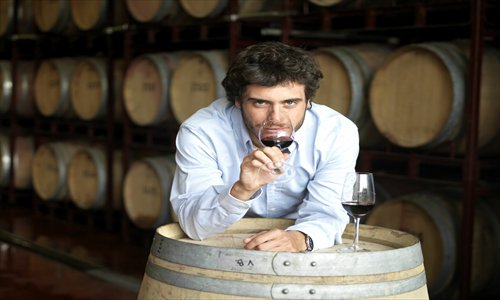
Sebastián Zuccardi, the research and development team leader of Zuccardi Winery Photos: Courtesy of Watson's Wine and ASC Fine Wines
The history of viticulture in South America is relatively long for the New World, dating back to the 16th century when the Spanish brought wine making practices and vines with them. For centuries, however, Chilean and Argentine wine was mostly consumed domestically. It wasn't until the 1990s that exports took off. Now that they have established a global reputation for quality, Chilean and Argentine wineries are expanding into the booming Chinese market.
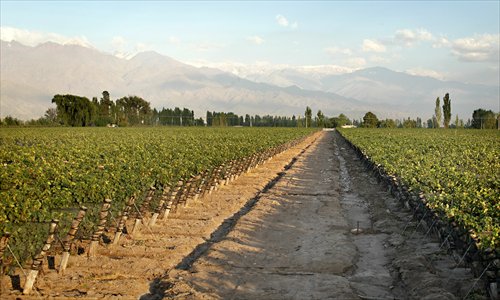
South American wineries are expanding into the booming Chinese market.
Zuccardi family
José Zuccardi, the current director of Argentina's Zuccardi Winery, is full of pride whenever he speaks of his eldest son, Sebastián Zuccardi, who won Argentine Winemaker's Winemaker of the Year Award from the global Argentine chain restaurant Gaucho in September.
Set up in 1963 by José's father, an irrigation engineer, Zuccardi, which also produces olive oil, is now the largest family-owned winery in Argentina. Zuccardi cultivates more than 1,000 hectares of vines and some 250 hectares of olive trees, and has become the third largest wine exporter in the country.
Grown in relatively high altitude areas ranging from 650 meters to 1,400 meters above sea level in the Mendoza province at the foothills of the Andes Mountains, Zuccardi's grapes ripen well thanks to the plentiful sunlight.
South American wineries are expanding into the booming Chinese market.
The irrigation system relies on melted snow from the Andes. Zuccardi's research and development team carry out research in the vineyards and winemaking tests in the winery to facilitate their production, for example, the different soils are matched with different grape varieties.
The varieties cultivated by Zuccardi range from Malbec, Cabernet, Syrah, Chardonnay, Tempranillo, Bonarda, Viognier, and Torrentes, a local Argentine grape, to name just a few. The winery also operates two restaurants and a tourist center that introduces wine knowledge to visitors in Mendoza.
South American wineries are expanding into the booming Chinese market.
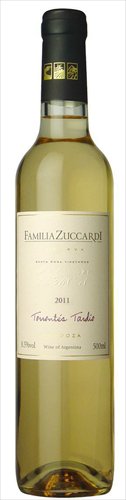
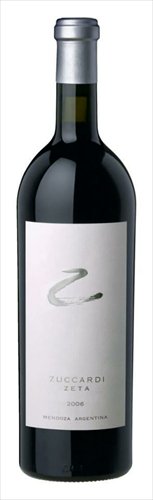
Zuccardi wines have been available in Shanghai since 2010 when the winery began a cooperation with Watson's Wine in the Chinese mainland. Now customers can choose from Zuccardi Serie A, which includes wines that reflect the possibilities of the diverse microclimates and soils of the country; Zuccardi Q wines made from the oldest and most uniform parts of each vineyard; Zuccardi Zeta, which feature aromas of plums, strawberries, blueberries and guava with distinct hints of black pepper, chocolate, truffles and mulberry; and Zuccardi Tardi Torrontes Reserva, which boasts aromas of honey, apricots and roses with balanced acidity.
South American wineries are expanding into the booming Chinese market.
Carmen
In 1850, Chilean vine grower Christian Lanz named his vineyard Carmen - after his wife - and created what is now the oldest Chilean wine brand.
The story goes that Lanz initially only made high quality wines for his own consumption, but over time, Carmen wine gradually built a strong reputation in the local market.
As the Chilean wine industry began to take off in the 1980s, Carmen received a boost of investment when it was acquired by Chilean billionaire Ricardo Claro in 1987. With 525 hectares of vineyards, Carmen is today a nationwide leader producing wines from organic grapes and is also recognized as the ninth largest winery in Chile.
Carmen's vines mainly grow in Maipo, Rapel, Casablanca and Curicó vallies, producing cultivated varieties such as Cabernet Sauvignon, Chardonnay, Cabernet Franc, Pinot Noir, Syrah and Carménére.
Among them, Carménére wines have become Carmen's signature products. The grape, which was thought to have vanished in the mid-19th century, was rediscovered in Chile in 1994 where up until then it had been mistaken for Merlot.
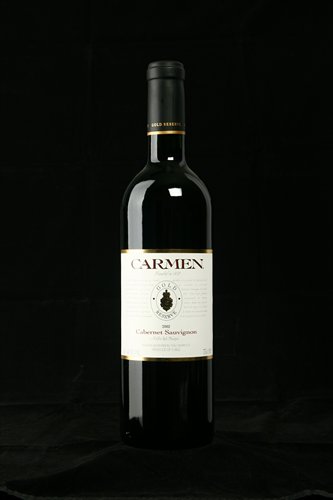
Another highlight is Carmen's Cabernet Sauvignons. The Gold Reserve Cabernet Sauvignon boasts a full deep ruby color and is scented with fine aromas of tobacco, cedar, truffle and cherries.
Carmen wines available in China include the Classic Line, the Nativa Line featuring organic wines, and the Top of the Line that highlights the Winemaker's Reserve and the Gold Reserve series.
South American wineries are expanding into the booming Chinese market.
Bodega Norton
"The earth, climate, vines and passion of our people live in every one of our wines. And their presence is felt in the pleasure of those who enjoy them," said Michael W. Halstrick, the Austrian president and CEO of Bodega Norton in Argentina.
In 2010 this philosophy was proved when Bodega Norton was recognized by consulting firm Great Place to Work as among the top 15 employers in Argentina.
Founded in 1895 by Englishman Sir Edmund James Palmer Norton in Mendoza, Bodega Norton was acquired by Halstrick's father in 1989. Now the winery owns 1,265 hectares of estate vineyards at the foothills of the Andes and grows a range of grape varieties.
Bodega Norton wines have won high acclaim from wine magazines such as Decanter, Wine Enthusiast, as well as Wine & Spirits. The chief winemaker, Jorge Riccitelli, was awarded "Winemaker of the Year" by Wine Enthusiast in 2012.
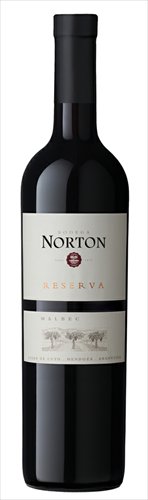
Top wines include Bodega Norton Privada, a blend of Cabernet Sauvignon, Merlot and Malbec grapes, and Bodega Norton Reserva.