HOME >> BUSINESS
A-share rise not likely to end too abruptly
Source:Global Times Published: 2015-6-18 20:33:01
Domestic markets more open to overseas investors
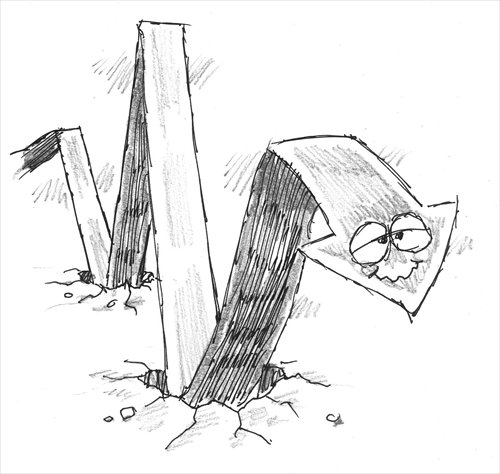
Illustration: Peter C. Espina/GT
China's A-share stock markets have seen some significant fluctuations recently. On Thursday, the Shanghai Composite Index dropped 3.67 percent to finish at 4,785.36 points, while the Shenzhen Component Index fell by 3.85 percent to 16,734.84 points. And ChiNext, China's NASDAQ-style board for high-tech and fast-growing start-ups, fell by 6.33 percent to end at 3,504.55 points.
The sudden drop came at a particularly strong moment for China's A-share markets, which have been on a record-breaking bull run in recent months. The Shanghai Composite Index closed above the 5,000-point level for the first time in more than seven years on June 5, and stocks on ChiNext have more than doubled in value since the middle of 2014.
However, the bullish performance of China's markets has raised concerns among domestic investors that a bubble may be forming and that a sharp downward correction may be coming. The fall on Thursday was seen as evidence that the bull run could soon come to an end.
However, judging from the central government's policy, which has been one of the major factors behind the stock market rise, the A-share markets could keep doing well for the next two years.
First of all, the central government has launched a series of policies to gradually open up Chinese stock markets, and this could create more opportunities for global investors to invest in China. For example, the cross-border sales of mutual funds between the Chinese mainland and Hong Kong, a policy launched in May, should increase the inflow of international equity investments.
Also, domestic stocks in Shanghai and Shenzhen used to be off-limits to foreign investors, but that is now changing. The Shanghai-Hong Kong Stock Connect scheme, which took effect in November 2014, has made the Chinese market more accessible to foreign investors, and the connect scheme is set to be extended to Shenzhen as well.
With the opening-up of the stock markets, some of the international index funds are now adding Chinese A shares to their funds and will continue to do so. Because index investing as an alternative to picking stocks individually has become popular and investors like to compare their investments against a benchmark index, it will be easier for index funds to invest in Chinese stocks in the future. And their participation is likely to further support a rise in the domestic markets.
The People's Bank of China (PBC) is also promoting a stable and healthy stock market environment nowadays. The last time China saw the bursting of a stock market bubble was in 2007, but one difference between now and then is that in recent months the PBC has been injecting liquidity via monetary policies such as cuts in banks' reserve requirement ratio (RRR) and in benchmark interest rates. With the government pursuing monetary easing and expectations of further easing to come, the Chinese stock markets should continue to rise.
However, this is not to say that investing in A-share markets is a safe game to play for domestic investors. It might be that in August or September, the Shanghai Composite index could reach about 6,000 points, with a few corrections along the way if there is no significant PBC news to affect the markets. Once the 6,000 level is reached, however, the market might fall back.
So it can be foreseen that there will always be fluctuations in the A-share markets, and this could result in heavy losses for investors if they are not careful.
What can investors do to minimize their losses? First, they should always consider what would happen if the market corrects more than anticipated. Every investor needs to think about the worst scenario and plan accordingly. Ask the question, what would happen to your portfolio if the market drops 20-30 percent? Is that acceptable? If not, it would be better to liquidate some positions and hold onto some cash to invest when the market does fall.
Second, there are many traders and investors who get themselves into trouble by following Internet hype and stock rumors. It's very important for investors to educate themselves and learn how to make sound investment decisions.
Finally, there are many qualities that can help one to succeed in investing, but the most important thing is to treat one's investments like a part-time business and take it very seriously. Successful investors are ambitious and focused, but they are also patient and able to persevere. Furthermore, they must not be afraid to make mistakes, because they can learn valuable lessons from their mistakes.
The article was compiled by Global Times reporter Xie Jun based on an interview with Jody Samuels, a writer for Technical Analysis of Stocks & Commodities magazine, and a former senior trader at JP Morgan Chase & Co. bizopinion@globaltimes.com.cn
Posted in: Expert assessment