
HOME >> METRO SHANGHAI
Shanghai will enforce a new hotel regulation on disposable
By Du Qiongfang Source:Global Times Published: 2019/5/22 19:18:40
Waste Reduction
Hotels in Shanghai are not allowed to proactively provide disposable daily toiletries such as toothbrushes, combs and shavers from July 1 as Shanghai's domestic garbage management regulation will come into effect, making Shanghai the first-ever city in the country to legislate and restrict the use of disposable products in hotels.
China has grown into one of the world's top tourist destinations and source countries since its reform and opening-up. However, its prosperous tourism industry brings along large quantities of garbage and waste.
On one hand, reusable items at home, such as toothbrushes, combs and shavers, which are replaced with disposable alternatives at hotels, produce a lot of garbage, Gu Jianbin, director of market management at Shanghai Municipal Administration of Culture and Tourism, told the Global Times.
Statistics from Ctrip show that there were around 440,000 hotels across China in 2017. These hotels have provided accommodation services to around 4.8 billion travelers, according to a news report from chinanews.com in September 2018.
The report also shows that over 70 percent of disposable soaps provided by the hotels are thrown away after they are used only once. Every hotel throws away about 2.5 kilograms of soap every day, which amount to 400,000 tons of soap every year; the cost of the soaps discarded can amount to 8 billion yuan($1.16 billion), the report reveals. Thus, the local policymakers in Shanghai passed the latest regulation, which states that hotels are not allowed to proactively provide disposable toiletries including toothbrushes, combs, shavers, shoe brushes, sponges and nail files for the purpose of reducing waste and environmental protection.
"The trend is that we will add more items to the list, but if some items are inconvenient to carry, they will be removed from the list," said Gu, who added that the listed items in the regulation would be updated in the future versions.
Gu explained that the authority had done much detailed research and investigations before they decided which items would be included in the regulation. Toothpaste serves as an example for the regulation, where they investigated several supermarkets and found that there are very few toothpaste brands with packages less than 100 grams.
"Most toothpaste brands have packages with 120 grams, 200 grams and 250 grams, which cannot be carried with travelers on the plane. So toothpaste is inappropriate to be included in the list at the moment," Gu said. "If there are more 50-gram toothpaste packages produced in the future, we will include it in the list as well."
The authority mentioned that shower caps were not listed in the regulation, which create a lot of waste. "Many women like to wear shower caps, but even many supermarkets do not sell them, so shower caps are not included in the list at the moment," Gu said.
"But we believe people's awareness of environmental protection will become stronger and stronger after this initiative," Gu added.
In Shanghai, the waste of disposable toiletries differs depending on different hotels.
"Since the quality of our products is good, many clients like our products' material as well as their packaging. Most clients will take the leftover disposable toiletries away when they check out," said a local five-star hotel public relations manager surnamed Zhao.
A public relations manager surnamed Zhou from another local five-star hotel said that she could not give specific statistics about the quantity of the disposable toiletries that are wasted at her hotel, but she thought her clients are well-educated and most star hotels' clients have good manners and their awareness of environmental protection is becoming stronger and stronger.
"I myself also stay at hotels, and I have the awareness of environmental protection, so that I will take home the leftover soaps and toothpaste," Zhou said.
But according to Ding Shulan, owner of Blue Hotel, a guesthouse located in Jinshan district, Shanghai, they provide fewer disposable toiletries due to waste issues.
However, Ding found that with clients' increasing awareness of environmental protection, many clients bring their own toiletries when they use the accommodation service at her guesthouse. "Clients bring their own towel, slippers and toiletries because their tastes are becoming better and better. They prefer to use the products of the brands they like," said Ding, who added that there are fewer clients who take away leftover disposable toiletries provided at the guesthouse, which cause wastes.
Besides, Ding said that 80 percent of their clients support the idea of the guesthouse not proactively providing disposable toiletries due to their awareness of environmental protection.
Several star hotels told the Global Times that since the new regulation will not come into effect until July 1, they are still working on the details to enforce the new regulation.
At the moment, Blue Hotel provides disposable toiletries such as toothbrushes, toothpaste, shampoos, soaps, combs and shower caps. "Starting July 1, we will not provide the disposable toiletries unless our clients ask for them. If the clients don't need them, we will not provide them for environmental protection reasons," Ding said.
"It is a policy to respond to the advocacy of green travel. I believe most consumers have the concept of environmental protection, and will support the new regulation since the promotion of environmental protection is a major issue being covered throughout media. The new regulation promotes sustainability with a purpose to achieve environmental protection. The hotel will certainly support the government's regulations," Zhao said.
"We also have found that more and more clients have the awareness to bring their personal toiletries with them when they travel because they are more accustomed to use their own toiletries such as their toothbrush, toothpaste and comb," she added.
However, a receptionist surnamed Liu from the budget hotel chain Hanting Hotel in Jing'an district, Shanghai, told the Global Times that the hotel currently provides the common disposable toiletries such as shower caps, soaps, toothbrushes, toothpaste, bath towels, slippers and paper cups, and only a small proportion of their clients will bring their own toiletries with them.
"The hotels should have been notified of the new regulation, and they will enforce the regulation seriously, but the point is that the hotel guests from home and abroad need to know that they have to bring a toothbrush with them when they travel to Shanghai. If they forget to bring these toiletries, they still have to ask for them from the hotel," Gu said.
If the guests forget to bring toiletries with them, they can still ask for free disposable toiletries from the hotel as of now. They can also buy reasonably priced reusable toiletries at the hotels.
A local resident surnamed Chen told the Global Times that the new regulation will not affect her as long as the hotels can inform her that they don't provide disposable toiletries in advance when she makes reservations at hotels. "Besides, I usually take my own toothbrush with me when I travel because I think the quality of the disposable toothbrushes is too poor," Chen said.
When Blue Hotel stops providing the disposable toiletries, Ding said that her guesthouse will provide free fruits and souvenirs.
Gu also mentioned that the reduction of the accommodation fee will be limited after the disposable toiletries are canceled. "The cost of the toothbrush and comb at medium prices is only a bit more than 1 yuan, so it is impossible for hotels to reduce their accommodation fees," Gu said.
However, according to the regulation, hotels that violate the regulation and proactively provide the disposable toiletries listed in the regulation can face fines up to 5,000 yuan.
China has grown into one of the world's top tourist destinations and source countries since its reform and opening-up. However, its prosperous tourism industry brings along large quantities of garbage and waste.
On one hand, reusable items at home, such as toothbrushes, combs and shavers, which are replaced with disposable alternatives at hotels, produce a lot of garbage, Gu Jianbin, director of market management at Shanghai Municipal Administration of Culture and Tourism, told the Global Times.
Statistics from Ctrip show that there were around 440,000 hotels across China in 2017. These hotels have provided accommodation services to around 4.8 billion travelers, according to a news report from chinanews.com in September 2018.
The report also shows that over 70 percent of disposable soaps provided by the hotels are thrown away after they are used only once. Every hotel throws away about 2.5 kilograms of soap every day, which amount to 400,000 tons of soap every year; the cost of the soaps discarded can amount to 8 billion yuan($1.16 billion), the report reveals. Thus, the local policymakers in Shanghai passed the latest regulation, which states that hotels are not allowed to proactively provide disposable toiletries including toothbrushes, combs, shavers, shoe brushes, sponges and nail files for the purpose of reducing waste and environmental protection.
"The trend is that we will add more items to the list, but if some items are inconvenient to carry, they will be removed from the list," said Gu, who added that the listed items in the regulation would be updated in the future versions.
Gu explained that the authority had done much detailed research and investigations before they decided which items would be included in the regulation. Toothpaste serves as an example for the regulation, where they investigated several supermarkets and found that there are very few toothpaste brands with packages less than 100 grams.
"Most toothpaste brands have packages with 120 grams, 200 grams and 250 grams, which cannot be carried with travelers on the plane. So toothpaste is inappropriate to be included in the list at the moment," Gu said. "If there are more 50-gram toothpaste packages produced in the future, we will include it in the list as well."
The authority mentioned that shower caps were not listed in the regulation, which create a lot of waste. "Many women like to wear shower caps, but even many supermarkets do not sell them, so shower caps are not included in the list at the moment," Gu said.
"But we believe people's awareness of environmental protection will become stronger and stronger after this initiative," Gu added.
In Shanghai, the waste of disposable toiletries differs depending on different hotels.
"Since the quality of our products is good, many clients like our products' material as well as their packaging. Most clients will take the leftover disposable toiletries away when they check out," said a local five-star hotel public relations manager surnamed Zhao.
A public relations manager surnamed Zhou from another local five-star hotel said that she could not give specific statistics about the quantity of the disposable toiletries that are wasted at her hotel, but she thought her clients are well-educated and most star hotels' clients have good manners and their awareness of environmental protection is becoming stronger and stronger.
"I myself also stay at hotels, and I have the awareness of environmental protection, so that I will take home the leftover soaps and toothpaste," Zhou said.
But according to Ding Shulan, owner of Blue Hotel, a guesthouse located in Jinshan district, Shanghai, they provide fewer disposable toiletries due to waste issues.
However, Ding found that with clients' increasing awareness of environmental protection, many clients bring their own toiletries when they use the accommodation service at her guesthouse. "Clients bring their own towel, slippers and toiletries because their tastes are becoming better and better. They prefer to use the products of the brands they like," said Ding, who added that there are fewer clients who take away leftover disposable toiletries provided at the guesthouse, which cause wastes.
Besides, Ding said that 80 percent of their clients support the idea of the guesthouse not proactively providing disposable toiletries due to their awareness of environmental protection.
Several star hotels told the Global Times that since the new regulation will not come into effect until July 1, they are still working on the details to enforce the new regulation.
At the moment, Blue Hotel provides disposable toiletries such as toothbrushes, toothpaste, shampoos, soaps, combs and shower caps. "Starting July 1, we will not provide the disposable toiletries unless our clients ask for them. If the clients don't need them, we will not provide them for environmental protection reasons," Ding said.
"It is a policy to respond to the advocacy of green travel. I believe most consumers have the concept of environmental protection, and will support the new regulation since the promotion of environmental protection is a major issue being covered throughout media. The new regulation promotes sustainability with a purpose to achieve environmental protection. The hotel will certainly support the government's regulations," Zhao said.
"We also have found that more and more clients have the awareness to bring their personal toiletries with them when they travel because they are more accustomed to use their own toiletries such as their toothbrush, toothpaste and comb," she added.
However, a receptionist surnamed Liu from the budget hotel chain Hanting Hotel in Jing'an district, Shanghai, told the Global Times that the hotel currently provides the common disposable toiletries such as shower caps, soaps, toothbrushes, toothpaste, bath towels, slippers and paper cups, and only a small proportion of their clients will bring their own toiletries with them.
"The hotels should have been notified of the new regulation, and they will enforce the regulation seriously, but the point is that the hotel guests from home and abroad need to know that they have to bring a toothbrush with them when they travel to Shanghai. If they forget to bring these toiletries, they still have to ask for them from the hotel," Gu said.
If the guests forget to bring toiletries with them, they can still ask for free disposable toiletries from the hotel as of now. They can also buy reasonably priced reusable toiletries at the hotels.
A local resident surnamed Chen told the Global Times that the new regulation will not affect her as long as the hotels can inform her that they don't provide disposable toiletries in advance when she makes reservations at hotels. "Besides, I usually take my own toothbrush with me when I travel because I think the quality of the disposable toothbrushes is too poor," Chen said.
When Blue Hotel stops providing the disposable toiletries, Ding said that her guesthouse will provide free fruits and souvenirs.
Gu also mentioned that the reduction of the accommodation fee will be limited after the disposable toiletries are canceled. "The cost of the toothbrush and comb at medium prices is only a bit more than 1 yuan, so it is impossible for hotels to reduce their accommodation fees," Gu said.
However, according to the regulation, hotels that violate the regulation and proactively provide the disposable toiletries listed in the regulation can face fines up to 5,000 yuan.
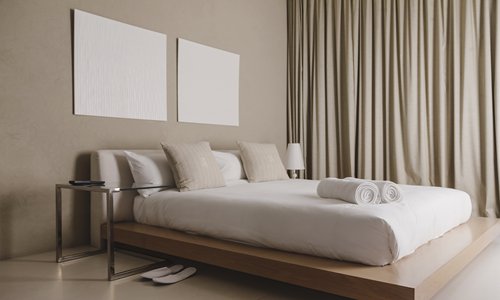
Bedroom toiletries in a hotle Photos: VCG
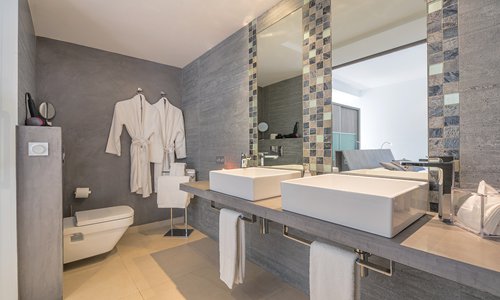
Common disposable toiletries will no longer be provided to hotel guests under Shanghai's new regulation. Photos: VCG
Posted in: METRO SHANGHAI FOCUS