Yunnan's melting pot
Yunnan Province has probably the most diversified, exotic and little-known culture of the entire nation. In all, China has 55 ethnic minority groups, and at least 25 groups of these people call Yunnan home. Located in the southwest of the country next to Sichuan and Guizhou provinces, and geographically close to the Southeast Asian countries Vietnam, Laos and Myanmar, the cuisine in Yunnan Province blends the flavors of all of these places. It is famous for its sour and hot tastes, its spicy-aromatic fragrances and its use of unusual, often wild, ingredients.
Although Yunnan cuisine is usually compared with that of Guizhou, as they are both famed for being sour and spicy, there are essential differences: lemon juice is usually used in creating the sour taste in Yunnan food, while in Guizhou cuisine chefs use vinegar and pickled peppers to create the same effect.
The spices and herbs used in Yunnan cuisine are all grown in the surrounding area - which boasts a distinct subtropical climate and geography - and many are picked wild. Wild fungus is a specialty grown in the region which includes pine mushrooms and boletes. These ingredients are the most sought-after fungus in Japan and many European countries.
Lotus Eatery
This small two-story eatery situated on the front of a residential compound near Yan'an Road West metro station, has quickly established a reputation for genuine Yunnan dishes at affordable prices. Co-run by Sophia Yang, whose entire family has moved from Yunnan Province to Shanghai, and James Todd, her business partner from the UK, the restaurant is homely, with all the staff members speaking Yunnan dialect.
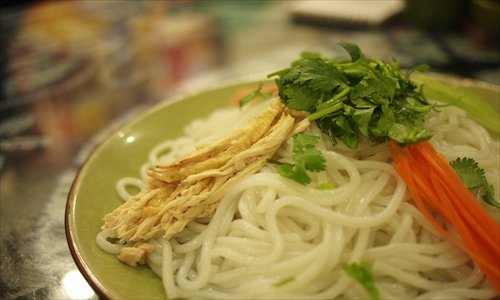
All of the kitchen's wild-grown herbs, spices, and fungi, as well as Yunnan's famous Xuanwei ham are imported directly from the region. The cool rice noodles served here are stirred and mixed with shredded vegetables and chicken, and finished with a sweet homemade soy sauce, making for a very aromatic dish. "Even in Kunming, the capital city of Yunnan Province, it is not easy to find such delicious rice noodles," said Yang.
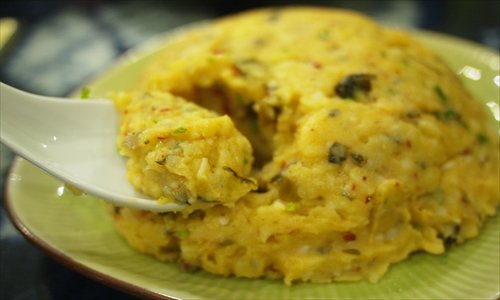
The various styles of cooking and presenting tomatoes are another characteristic of Yunnan cuisine. Mashed potato here is called Grandma's Potato, because "grannies who have lost their teeth can still enjoy it," said Yang.
You can also ask for pickled vegetables to be added in the mashed potatoes - a particularly Dali-style of cooking the dish - which makes the potato a little more salty. (Dali is a city in Yunnan). Another popular dish is Dai-style minced beef, stir-fried with minced peppers and spices. This is a cooking method borrowed from the Dai minority living in the region.
Add: 85 Yangzhai Road
杨宅路85号
Tel: 6282-7756
Lapis Yun
This Yunnan restaurant under the name of the Lapis Group is located in the hustle and bustle of downtown Nanjing Road West, and is probably the only Yunnan restaurant in town that boasts an outdoor terrace. Inside, the restaurant is dimly lit with lamps and candles, providing a touch of romance for diners. Several bamboo-made seats contribute to the modern and chic decoration of the restaurant.
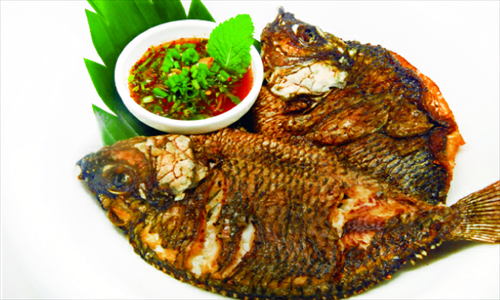
The first few pages of the menu introduce the different spices used in Yunnan cuisine. And the cooking in the restaurant brings out the best in traditional Yunnan flavors. Popular dishes include fried eggs with mushrooms, fried fish, and stir-fried rice in Banna-style ("Banna" is short for Xishuangbanna, a popular tourist destination in Yunnan).
Add: 6/F, 818 Nanjing Road West
南京西路818号6楼
Tel: 3203-1366
Taste Legend
This restaurant menu features many lesser-known ingredients from Yunnan, such as shuhua (literally "tree flower" and which is popular among the Hani minority), baishen (white mushroom) used by the Wa minority, and pomegranate flowers. According to Yunnan-born chef Zhang Jiaming, diners who are unfamiliar with Yunnan cuisine may find some of the ingredients take some getting used to.
"For example, pomegranate flower tastes bitter and harsh at first," said Zhang. "But the aftertaste is sweet, so once you get used to it, you fall in love with it."
A favorite dish with customers is shrimps braised with Pu'er tea, the best-known variety of tea in Yunnan. Zhang told the Global Times that he soaks the uncooked shrimps in the tea for 2 minutes - absorbing the aroma of the tea - and then cooks the shrimp together with tea leaves. Zhang is also proud of another shrimp dish called "Yi minority torch shrimp." The Torch Festival is one of the main holidays of the Yi ethnic minority people. In this dish, shrimps are pre-cooked with spices and wrapped in tinfoil. Customers then hold the shrimps while they grill over a flame, and you can hear the salt cracking in the tinfoil as it cooks.
Add: 1025 Kangding Road
康定路1025号
Tel: 5228-9961