Martial literature makeover
Wuxia, a word that literally means, "martial hero," has been adapted into the English lexicon. Traditionally regarded as a form of literature, wuxia novels have been made into movies, TV dramas, and cartoons. Wuxia has come to represent a genre of stories focusing on the martial arts. The works have one common thread; they tell the stories of chivalrous heroes using impressive kung fu skills to defeat evil enemies. The earliest wuxia literature can be dated back to the Han Dynasty (202 BC -220 AD). Regarded before as low-brow books read for pure entertainment purposes, they've gained respect in literary circles within the last few decades.
Jin Yong (Louis Cha) and Gu Long (Xiong Yaohua) are two revered wuxia writers. Jin, born in 1924, and Gu (1938-1985) have remained popular in contemporary culture.
Few writers of today's generation have been able to reach the level of notoriety and fame that earlier wuxia writers have.
As early as 2003, Wu Shan, a reporter at China News Week, wrote that we have been living in a post-wuxia period. This change has been palpable, as wuxia novels are dwindling.
Post-wuxia period
Last Thursday, in an interview with The Time Weekly, Yan Feng, a wuxia fan and professor of Chinese language and literature, Fudan University, observed that the golden period of wuxia has passed, reflected by both the writers and readers.
"Reading habits have changed. Young people like to read easy and superficial books. Some of these writers are only middle and high school students, who do not possess the deep cultural background Jin Yong does," Feng told The Time Weekly.
In an interview with the Global Times last Saturday, novelist Feng Ge (Xiang Lingang) agrees that the wuxia genre needs tweaking to survive. For Feng, wuxia's lack of self-promotion has led to the near death of the genre.
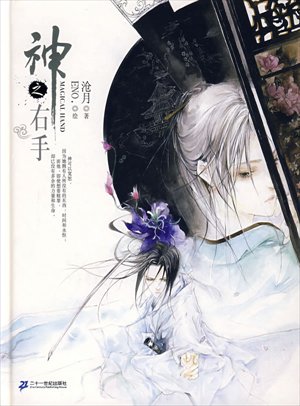
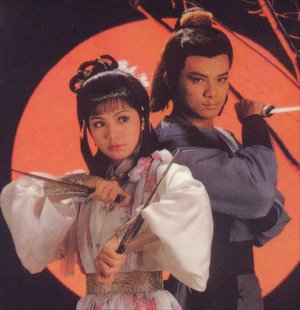
Feng adds that because of the declining demand on wuxia literature, many wuxia writers are jumping to genres like fantasy or contemporary fictions. "It is difficult for new writers to remain in the genre, as they lack a fixed audience," he said.
Cang Yue (Wang Yang), another novelist, disagrees. "I don't think any literature genre will be wiped out. Though wuxia literature is not popular now, it will resurface, given time," said Cang, citing an example of time-traveling novels.
"I remember books about time traveling when I was in primary school. After years of being neglected, they are now rising in popularity."
Exhausted characters
Because so much of the wuxia genre focuses on the nobility and selflessness of the main protagonist, the characters carry the bulk of the novel.
"Even a perfect plot needs developed characters," said Bu Feiyan (Xin Xiaojuan), a wuxia writer born in the early 1980s. "After readers have finished reading the novel, many of them will not go for a second or third reading unless the character is appealing."
Professor Yan believes that new wuxia literature attempts to reinvent the genre, but failure of creating relatable characters leaves readers unsatisfied.
"Jin Yong's novels gave us Xiao Feng, Huang Rong, and Yang Guo, heroes and heroines so personable. They feel real. Today's wuxia authors write well, but their characters are not believable," Yan said.
Bu doesn't find this true. "When the main protagonist died in my novel, many readers found this hard to accept. They are still harboring over the ending," she said.
Novelist Feng finds the stagnancy inevitable. Characters can be classified into a few groups, and it is difficult to constantly re-invent the wheel, according to Feng.
"The characters in Gu Long's works are simple. At that time, both men and women had fixed gender roles. Jin's characters are more diversified, but that was during a time when the genre was rising. For Jin, it was a blank slate," said Feng.
Merging of genres
While some critics say young writers are unable to surpass expectations set by the previous generation, most fans simply worry that wuxia literature is being diluted by the fantasy genre.
"Many current wuxia works are the outcome of this merge," said Feng. "Wuxia is a culture. If it loses its own category, it won't exist anymore."
Wuxia writer Cang disagrees. "The wuxia and fantasy genre are not two different fields. They both belong to a creative sphere," she told the Global Times. "Wuxia novels need to reflect the change of times."
Bu agrees there should be no stigmas attached to this emerging inter-disciplinary genre, and the resulting work can speak for itself. "Genres should be accepting. If the work is strong enough, there's no need to worry about crossing over," Bu said. As for why the new generation is unable to produce the same hits as notable predecessors Jin and Gu, Bu says that the contemporary version of the craft is still emerging.
"Wuxia writers of the past painstakingly devoted their life to their work. Today, most wuxia writers are only in their 20s and 30s. Society should not be too hasty in making comparisons. The current work is still decent," Bu said.
Bu also attributes criticism to a generation gap. "What the older generation expects from its heroes is different from that of today's."
"In a multi-media society, it is difficult for wuxia to be popular in and of itself," said Feng. "The promotion of a product sometimes weighs more than the product itself."Feng adds that because of the declining demand on wuxia literature, many wuxia writers are jumping to genres like fantasy or contemporary fictions. "It is difficult for new writers to remain in the genre, as they lack a fixed audience," he said.Cang Yue (Wang Yang), another novelist, disagrees. "I don't think any literature genre will be wiped out. Though wuxia literature is not popular now, it will resurface, given time," said Cang, citing an example of time-traveling novels. "I remember books about time traveling when I was in primary school. After years of being neglected, they are now rising in popularity."
Because so much of the wuxia genre focuses on the nobility and selflessness of the main protagonist, the characters carry the bulk of the novel. "Even a perfect plot needs developed characters," said Bu Feiyan (Xin Xiaojuan), a wuxia writer born in the early 1980s. "After readers have finished reading the novel, many of them will not go for a second or third reading unless the character is appealing."Professor Yan believes that new wuxia literature attempts to reinvent the genre, but failure of creating relatable characters leaves readers unsatisfied. "
Jin Yong's novels gave us Xiao Feng, Huang Rong, and Yang Guo, heroes and heroines so personable. They feel real. Today's wuxia authors write well, but their characters are not believable," Yan said. Bu doesn't find this true. "When the main protagonist died in my novel, many readers found this hard to accept. They are still harboring over the ending," she said. Novelist Feng finds the stagnancy inevitable. Characters can be classified into a few groups, and it is difficult to constantly re-invent the wheel, according to Feng.
"The characters in Gu Long's works are simple. At that time, both men and women had fixed gender roles. Jin's characters are more diversified, but that was during a time when the genre was rising. For Jin, it was a blank slate," said Feng. While some critics say young writers are unable to surpass expectations set by the previous generation, most fans simply worry that wuxia literature is being diluted by the fantasy genre.
"Many current wuxia works are the outcome of this merge," said Feng. "Wuxia is a culture. If it loses its own category, it won't exist anymore." Wuxia writer Cang disagrees.
"The wuxia and fantasy genre are not two different fields. They both belong to a creative sphere," she told the Global Times. "Wuxia novels need to reflect the change of times."
Bu agrees there should be no stigmas attached to this emerging inter-disciplinary genre, and the resulting work can speak for itself. "Genres should be accepting. If the work is strong enough, there's no need to worry about crossing over," Bu said. As for why the new generation is unable to produce the same hits as notable predecessors Jin and Gu, Bu says that the contemporary version of the craft is still emerging.
"Wuxia writers of the past painstakingly devoted their life to their work. Today, most wuxia writers are only in their 20s and 30s. Society should not be too hasty in making comparisons. The current work is still decent," Bu said.
Bu also attributes criticism to a generation gap. "What the older generation expects from its heroes is different from that of today's."