HOME >> ARTS
The epic Seediq
Source:Global Times Published: 2012-5-7 19:45:02
Scene from the film
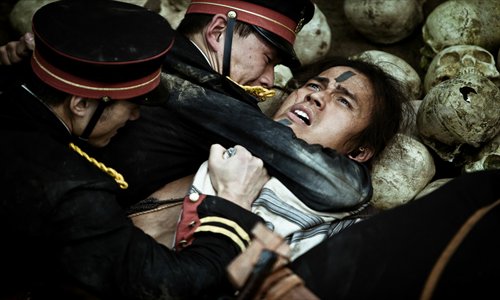
Scene from the film
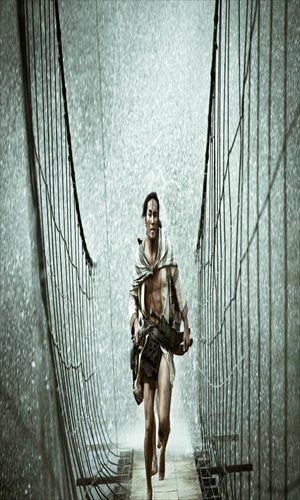
Scene from the film
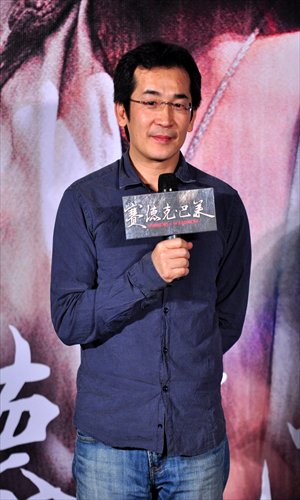
Director Wei Te-Sheng
With coming-of-age stories dominating the Taiwanese film market, audiences have come to expect gentle romances from Taiwan productions. Seediq Bale, an epic film set for release in the Chinese mainland on May 10, breaks this stereotype.
Directed by Wei Te-Sheng, known for Cape No.7 (2008), Seediq Bale is based on the relatively unknown Wushe Incident in central Taiwan in 1930, where the Seediq, Taiwanese aborigines, fought against Japanese oppressors. The film brings honor to the aboriginal warriors.
Life upheaval
After the Treaty of Maguan was signed in 1895 between China and Japan, Taiwan was ceded to Japan. The Seediq people, a native tribe, were under Japanese rule for 30 years until they fought back. The Japanese prevented the tribes from carrying out their traditions. Men were forced to do low-wage labor work and forbidden to hunt; women did housework for the Japanese and ceased traditional weaving work. They were also forbidden to tattoo their faces, which the Seediq believed was a requirement in crossing the mythical rainbow bridge after death.
To fight against Japanese control and preserve Seediq tradition, Mona Rudao, the chief of Mahebu village of Seediq people, led rebels to fight back against the Japanese at a school meeting, where 100 Japanese, including innocent women and children, were killed. The Japanese retaliated with force, and the Seediq people were consequently almost wiped out.
Adding more controversy to the event is the participation of another local tribe that banded with the Japanese in killing the Seediq, as the two tribes had previously been in conflicts on the hunting grounds.
"When I first read the story, it made my blood boil," said director Wei, who learned about the Wushe Incident through a comic book written by Taiwanese cartoonist Chiu Row-Long. "I wondered why no one had turned such an exciting story into a script."
"When I read deeper into the story, I found that there were many contradictions that [exposed the many different faces] of human nature. I wanted to know more [about the Wushe Incident]," Wei said.
Wei said he hopes an audience can abandon stereotypes and look at the Wushe Incident from the Seediq people's point of view. The film also raises questions about political and power struggles in society today.
"Traditionally, in a story, there is a clear division between evil and good. I wanted to look at the Wushe Incident in a historical context. Even if a person is marked as 'bad' in history, I want the audience to understand his motives," said Wei.
Difficult development
Seediq Bale is now receiving both domestic and international attention, but when Wei first started writing the screenplay, few people cared. The development of the film was almost a 16-year long process.
Relatively unknown as a director back then, Wei decided to attract attention from potential investors by making the film Cape No. 7, which brought him NT$150 million ($5.12 million). He put this money into the production of Seediq Bale but was short NT$150 million.
Shooting for Seediq Bale began on October 2009, but funds were short. Wei continued looking for capital. At the end of 2009, with funds running out, the crew could not even pay for meals, often foregoing a salary.
Producer Terence Chang then thought of asking Jay Chou, the most successful celebrity and singer among his friends. The day after Chou was informed, NT$40 million was transferred to the crew's account. Wei said this was the fastest transfer of money he has ever received.
To show investors the potential popularity of the film, Wei's crew started an official blog, recording the hardships of shooting. They sold 100,000 advanced tickets.
In 2010, Seediq Bale received a government award for local films which granted the crew NT$160 million. Central Pictures Corporation, a Taiwanese film company invested another NT$350 million, eradicating financial trouble.
Taiwan trends
Choosing to direct a bloody and violent war film seems like a gamble considering the current dominance of romantic comedies in Taiwan's film market, but Wei believes in creating films for the purpose of artistic integrity, not just to follow trends.
"[Otherwise], you become a producing machine rather than a creator. You tell a story without any ideas," said Wei. "Many people told me their doubts, thinking few people would care about how a small Taiwanese tribe fought against the Japanese," said Wei."
Wei said it is not a film only for the Taiwanese, but for more people to understand the position of the Seediq people, their cultures and beliefs.
"Misunderstandings between different ethnic groups originate from not [willing to understand where] the other side's position lies," Wei told Southern Weekly magazine.
"The incident was surprising to me. When heroes in the world fight, they fight for freedom. The Seediq fought for death," said Wei.
The Seediq people had a belief that if a man did nothing for his land, his soul would never reach heaven or paradise. This made their rebellion unique.
With coming-of-age stories dominating the Taiwanese film market, audiences have come to expect gentle romances from Taiwan productions. Seediq Bale, an epic film set for release in the Chinese mainland on May 10, breaks this stereotype.
Directed by Wei Te-Sheng, known for Cape No.7 (2008), Seediq Bale is based on the relatively unknown Wushe Incident in central Taiwan in 1930, where the Seediq, Taiwanese aborigines, fought against Japanese oppressors. The film brings honor to the aboriginal warriors.
Life upheaval
After the Treaty of Maguan was signed in 1895 between China and Japan, Taiwan was ceded to Japan. The Seediq people, a native tribe, were under Japanese rule for 30 years until they fought back. The Japanese prevented the tribes from carrying out their traditions. Men were forced to do low-wage labor work and forbidden to hunt; women did housework for the Japanese and ceased traditional weaving work. They were also forbidden to tattoo their faces, which the Seediq believed was a requirement in crossing the mythical rainbow bridge after death.
To fight against Japanese control and preserve Seediq tradition, Mona Rudao, the chief of Mahebu village of Seediq people, led rebels to fight back against the Japanese at a school meeting, where 100 Japanese, including innocent women and children, were killed. The Japanese retaliated with force, and the Seediq people were consequently almost wiped out.
Adding more controversy to the event is the participation of another local tribe that banded with the Japanese in killing the Seediq, as the two tribes had previously been in conflicts on the hunting grounds.
"When I first read the story, it made my blood boil," said director Wei, who learned about the Wushe Incident through a comic book written by Taiwanese cartoonist Chiu Row-Long. "I wondered why no one had turned such an exciting story into a script."
"When I read deeper into the story, I found that there were many contradictions that [exposed the many different faces] of human nature. I wanted to know more [about the Wushe Incident]," Wei said.
Wei said he hopes an audience can abandon stereotypes and look at the Wushe Incident from the Seediq people's point of view. The film also raises questions about political and power struggles in society today.
"Traditionally, in a story, there is a clear division between evil and good. I wanted to look at the Wushe Incident in a historical context. Even if a person is marked as 'bad' in history, I want the audience to understand his motives," said Wei.
Difficult development
Seediq Bale is now receiving both domestic and international attention, but when Wei first started writing the screenplay, few people cared. The development of the film was almost a 16-year long process.
Relatively unknown as a director back then, Wei decided to attract attention from potential investors by making the film Cape No. 7, which brought him NT$150 million ($5.12 million). He put this money into the production of Seediq Bale but was short NT$150 million.
Shooting for Seediq Bale began on October 2009, but funds were short. Wei continued looking for capital. At the end of 2009, with funds running out, the crew could not even pay for meals, often foregoing a salary.
Producer Terence Chang then thought of asking Jay Chou, the most successful celebrity and singer among his friends. The day after Chou was informed, NT$40 million was transferred to the crew's account. Wei said this was the fastest transfer of money he has ever received.
To show investors the potential popularity of the film, Wei's crew started an official blog, recording the hardships of shooting. They sold 100,000 advanced tickets.
In 2010, Seediq Bale received a government award for local films which granted the crew NT$160 million. Central Pictures Corporation, a Taiwanese film company invested another NT$350 million, eradicating financial trouble.
Taiwan trends
Choosing to direct a bloody and violent war film seems like a gamble considering the current dominance of romantic comedies in Taiwan's film market, but Wei believes in creating films for the purpose of artistic integrity, not just to follow trends.
"[Otherwise], you become a producing machine rather than a creator. You tell a story without any ideas," said Wei. "Many people told me their doubts, thinking few people would care about how a small Taiwanese tribe fought against the Japanese," said Wei."
Wei said it is not a film only for the Taiwanese, but for more people to understand the position of the Seediq people, their cultures and beliefs.
"Misunderstandings between different ethnic groups originate from not [willing to understand where] the other side's position lies," Wei told Southern Weekly magazine.
"The incident was surprising to me. When heroes in the world fight, they fight for freedom. The Seediq fought for death," said Wei.
The Seediq people had a belief that if a man did nothing for his land, his soul would never reach heaven or paradise. This made their rebellion unique.
Posted in: Film