Swaying opinion
Dance show format reflects imports but has nobler goals
If you have to choose just one program that made an impact on the domestic entertainment industry last year, you'd probably pick The Voice of China. Its huge success along with its business model pointed industry insiders in a new direction. Now they are thinking how a large investment and international cooperation lead to a profit-sharing result? And, what other programs offer a number of identifiable characters then establish emotional connections with the viewers?
In the end, the result of the Voice competition did not matter. With active online social networking as we have today, the show became a big party for everyone to take part in as an entertainment and business platform.
As expected, the "blockbuster" age on TV has arrived for 2013. And competing broadcasters are ready to invest in order to fulfill their New Year ambitions.
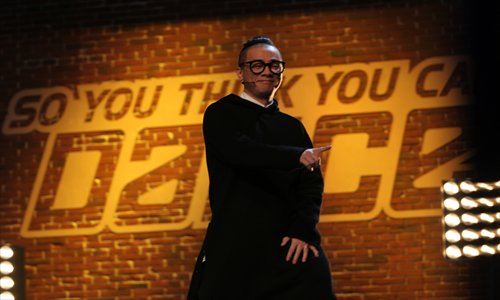
After China's Got Talent and The Voice of China, the same production team is bringing the Chinese version of So You Think You Can Dance to Shanghai's Dragon TV on February 15. A successful program format with a recognized brand promises to be another massive hit. However, Xu Xiangdong, director of the show has more to say.
Individual emphasis
Looking at all the dance shows produced internationally, the choices are more than a few. For Xu, what is different about So You Think You Can Dance is the concept.
"Mainly, the idea is about emphasizing an individual's energy," he said. What Chinese TV producers have learned from previous successful reality shows is that society is developing a growing sense of and respect for individual personalities. On the other hand, what is happening in the dance world is still less about individuals. In fact, in most big shows like the Spring Festival gala or New Year gala performances, dancers are still treated as background for the singers.
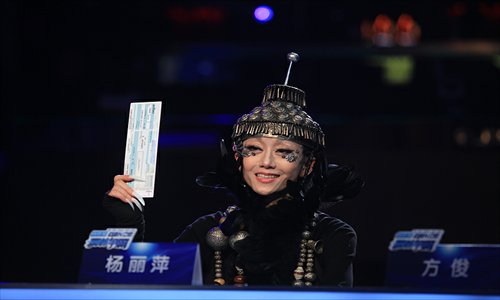
"At big events, the time given to dancers is always less than singers," the famous peacock dancer Yang Liping, also a mentor (professional who serves as a type of coach for the contestants), said at the press conference in Beijing last week.
So You Think You Can Dance is the opposite. "There are 28 camera positions to fully capture each dancer's movement and emotion," said Xu.
Stories about the dancers will also be a way to allow the audience to learn their personalities. But as Xu explained, they never intend to churn up the audience's emotion by telling tragic family stories. The stories tell of the Chinese dancers' living conditions and that will be the Chinese version's main differentiating factor.
Filming dance
Top Dancer, The Dance and the Voice, such dance shows came one after another, not unlike the proliferation of singing shows. But even with celebrities seen on every episode, the dance shows can never exceed the popularity of the music programs. People say that dance shows target a niche market in China and the audience base cannot be compared with singing amateurs. Especially with the development of karaoke clubs, people have more opportunities to sing and it's easy to fantasize about singing on TV.
Xu feels that the problems lie more directly with the institutions that teach and promote dance as well as the television channels that film dancers. In an institution where dancers are trained to dance within rules and restrictions, they don't know how to express themselves through dance.
"We go to see White Haired Girl, we see the white haired girl, not (an individual dancer). When a dancer only knows the role and not him/herself, how can he enter the market?" he said.
Another aspect worth discussing is the technique of filming dance. Jin Xing, a famous dancer and also one of the mentors, shared her experience during the press conference last week that when she choreographed a solo dance for the Spring Festival gala in 1995, she found most shots were close-ups of her face.
"Most television programs treat dancers as background or sideshows. They barely want to learn or think about what is the best way to represent a dancer to the audience," said Xu.
As a result, what the public is offered is not of high quality and not the artistic and most exciting part of a dance.
After five seasons of Let's Shake It on Dragon TV, a similar show to Dancing with the Stars, Xu and his team understand thoroughly that what the audience learns from dance is limited by what the cameramen and producers allow them to see. Xu also told the Global Times that they did not hold mass auditions. All the apprentices are carefully selected from theaters nationwide. The simple stage design of the first episodes helps to maintain focus on the dancers.
Building an industry
"I wanted to do something for the dance industry in China," said Yang. It was her first time to appear in such talent shows. Other mentors include: Fang Jun, who is a frequent guest on many TV dance shows; Jordan Chan, a singer and actor from Hong Kong who started his career as an accompanying dancer; and Jin Xing. Top dancers selected from the show will have a chance to further their training in the US.
Yet, the systematic development of dance in China cannot happen after one single program, though each step might move closer to that goal. Modern dancer Wang Tao told Beijing Daily that "you want localization (of the show) but does the Chinese music industry have so many brilliant songs for choreography? It's not only about dancers."
Let's hope the platform catches some attention and raises more helpful discussions like this.