In pictures: Fish River Canyon in S Namibia
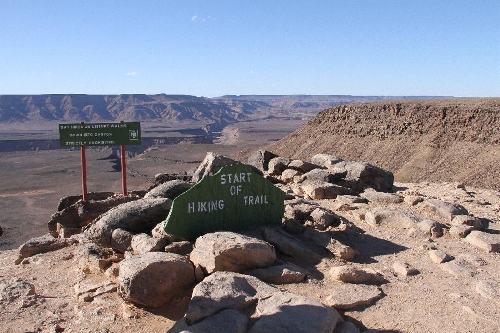
Photo taken on Nov. 21, 2013 shows a part of the Fish River Canyon in southern Namibia. Situated in southern Namibia, Fish River Canyon is the largest canyon in Africa and one of the most visited places in the country. It measures about 160km in length, up to 27km in width and 550m at its deepest point. With a history of hundreds of millions of years, the canyon is a unique combination of tectonic, volcanic, climatic and erosional forces that created this "geologist's paradise". (Xinhua/Gao Lei)
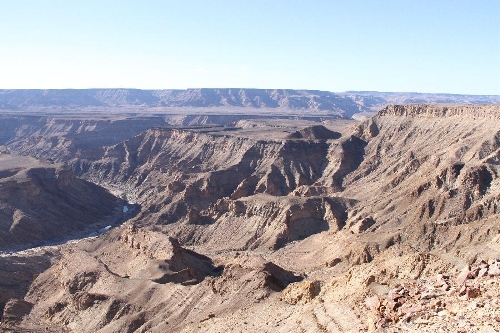
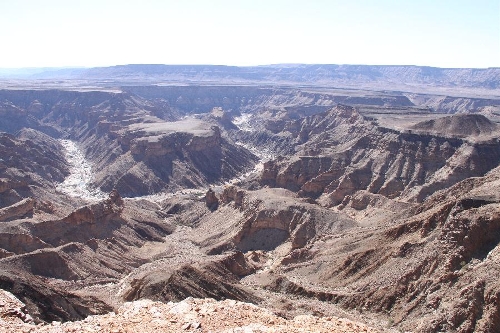
Photo taken on Nov. 21, 2013 shows a part of the Fish River Canyon in southern Namibia. Situated in southern Namibia, Fish River Canyon is the largest canyon in Africa and one of the most visited places in the country. It measures about 160km in length, up to 27km in width and 550m at its deepest point. With a history of hundreds of millions of years, the canyon is a unique combination of tectonic, volcanic, climatic and erosional forces that created this "geologist's paradise". (Xinhua/Gao Lei)
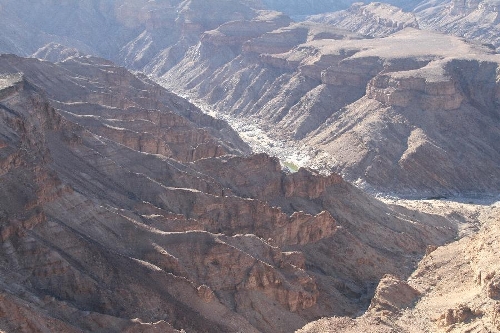
Photo taken on Nov. 21, 2013 shows a part of the Fish River Canyon in southern Namibia. Situated in southern Namibia, Fish River Canyon is the largest canyon in Africa and one of the most visited places in the country. It measures about 160km in length, up to 27km in width and 550m at its deepest point. With a history of hundreds of millions of years, the canyon is a unique combination of tectonic, volcanic, climatic and erosional forces that created this "geologist's paradise". (Xinhua/Gao Lei)
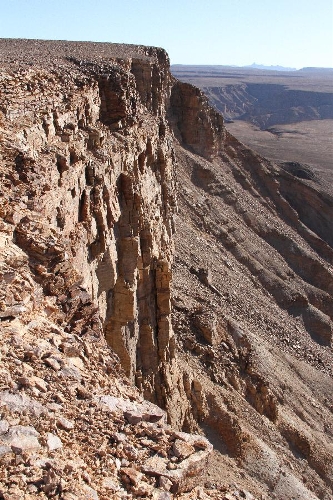
Photo taken on Nov. 21, 2013 shows a part of the Fish River Canyon in southern Namibia. Situated in southern Namibia, Fish River Canyon is the largest canyon in Africa and one of the most visited places in the country. It measures about 160km in length, up to 27km in width and 550m at its deepest point. With a history of hundreds of millions of years, the canyon is a unique combination of tectonic, volcanic, climatic and erosional forces that created this "geologist's paradise". (Xinhua/Gao Lei)
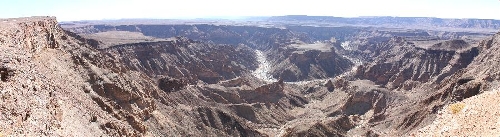
The combined photo taken on Nov. 21, 2013 shows the panorama of the Fish River Canyon in southern Namibia. Situated in southern Namibia, Fish River Canyon is the largest canyon in Africa and one of the most visited places in the country. It measures about 160km in length, up to 27km in width and 550m at its deepest point. With a history of hundreds of millions of years, the canyon is a unique combination of tectonic, volcanic, climatic and erosional forces that created this "geologist's paradise". (Xinhua/Gao Lei)
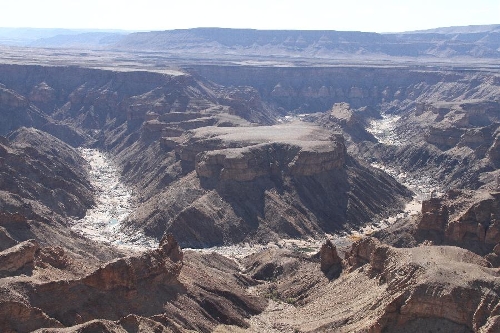
Photo taken on Nov. 21, 2013 shows a part of the Fish River Canyon in southern Namibia. Situated in southern Namibia, Fish River Canyon is the largest canyon in Africa and one of the most visited places in the country. It measures about 160km in length, up to 27km in width and 550m at its deepest point. With a history of hundreds of millions of years, the canyon is a unique combination of tectonic, volcanic, climatic and erosional forces that created this "geologist's paradise". (Xinhua/Gao Lei)