HOME >> SCI-TECH
Easy bread tough sell to China kitchens
By Zhang Ye Source:Global Times Published: 2014-2-28 5:03:01
Baking bread at home goes back millennia, and many chefs claim that self-kneading will always outdo a bread maker. But for those without the hours to spare, computer-controlled bread makers are a shortcut to the delicious smell of fresh baking, and generally end up cheaper than buying bread from outside.
"My bread maker is rather neat and could take on almost everything, from mixing to kneading and from baking to crusting. I just throw moderate amounts of ingredients such as flour, eggs and oil into the electric machine, pressing a few buttons and enjoy the result, Lu Bin, a 30-year-old bakery lover in Guangzhou, told the Global Times. He bought a domestic bread maker before this year's Spring Festival.
But in a culture where bread, especially baked rather than steamed bread, is a relatively new treat, the products are taking time catching on.
Lu noted that his parents did not like the taste of bread, and thought the purchase of a bread maker a waste of money.
The first bread maker made its grand entrance in 1986 and introduced to the Chinese market in the mid 1990s. But the device only started to really hit China's trendy kitchens in the last few years.
With the rising standards of living and the Westernization of lifestyles, more and more households in China may embrace the easy-to-use invention, mused Liu Buchen, a home appliance industry analyst with Zhengzhou-based Jiachunqiu Media Institution.
Many Chinese consumers enjoy Western baked goods in international franchises like Starbucks.
And according to global market research firm Euromonitor International, the industrial baked food market in China was valued at $25.4 billion in 2013, compared to $19.6 billion in 2012.
But bread might find it hard to become a table staple for Chinese families who are still fond of mantou, steamed buns, instead of baked goods, Liu told the Global Times, noting that the bread makers that can also make mantou will be more attractive.
International brands including Panasonic as well as some homegrown bread maker brands led by Guangzhou-based Donlim have already sensed potential opportunities in the Chinese market, and have stepped up efforts in developing systems that can help Chinese consumers make steamed goods via bread makers as well.
Liu noted that the domestic bread makers may lag behind international ones in terms of technology and design, but are significantly cheaper and may have a better understanding of local needs.
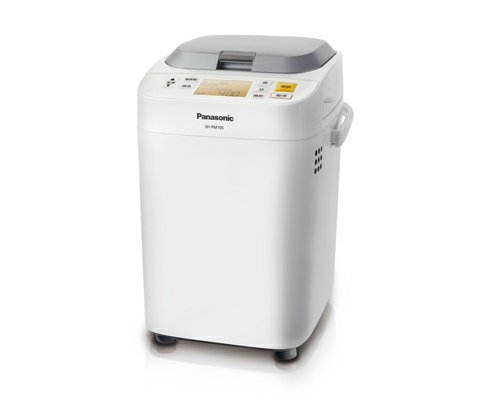
Panasonic SD-PM105 Bread Maker
Panasonic released the world's first ever bread maker, and now it's keen to capture the burgeoning Chinese market.
In late 2013, the company unveiled its newest bread maker, SD-PM105, targeting Chinese consumers. Thanks to a system that is specially developed to cater for Chinese lifestyle, this machine enables Chinese consumers to enjoy the warmth and aroma of mantou (steamed buns) and huajuan (steamed twisted roll) with a press of a button at home.
In total, it can automatically prepare 19 items including French toast, Danish bread, jam, whole wheat, cake and pizza. The Danish bread is a newly added item and is believed to have a better taste than soft bread or loaves made via rapid mode, but takes more time, at least two hours for a loaf.
Another unique feature of the SD-PM105 is a separate yeast compartment, dropping yeast in automatically. Many other bread making machines depend on users ensuring the water and yeast do not touch each other until mixing starts. In addition, it has a built-in LCD control panel with a 13-hour delay timer.
The bread pan can bake up a loaf of up to a pound, good for preparing three sizes of loaf for a family of four people.
At 304 millimeters by 241 millimeters by 345 millimeters, the white plastic device weighs 6.2 kilograms, shipping for 1,499 yuan ($244.8).
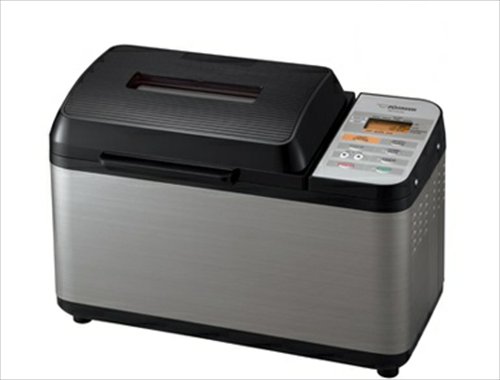
Zojirushi Home Bakery Virtuoso® Breadmaker BB-PAC20
Zojirushi Corporation is another Japanese firm that entered into the business at the beginning. Its bread maker is one of the most requested among Western consumers. The BB-PAC20 is the latest version in the Zojirushi US portfolio.
Following the recipes provided along the machine, the company says that you can easily create delicious baked goods from cinnamon-raisin bread to garlic bread sticks or buttery dinner rolls right at home. The machine has 10 pre-programmed settings including Basic, Basic Wheat, Quick, Jam and Home Made.
Thanks to the Home Made mode, users can create their own menu settings by programming the kneading, rising and baking times.
Equipped with two blades in the pan, the unit can provide thorough dough kneading, but becomes much bigger, with overall dimensions of 457 millimeters by 266.7 millimeters by 330.2 millimeters.
Although the large viewing window on the lid can help users watch the baking process, some experts suggest that an absence of viewing window can ensure a more even reflection of heat.
The stainless steel unit only ships in black for $252.42 on its official retailing channel on Amazon.
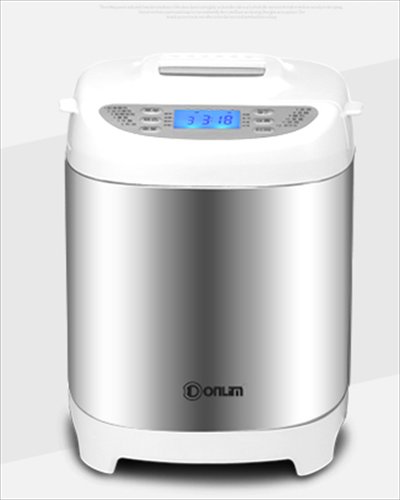
Donlim DL-T06 Bread Maker
Guangdong Xinbao Electrical Appliances Holdings, also known as Donlim, has been the OEM for many international bread maker brands for over ten years. Such veteran experiences have given it a leg up when competing with other local peers in the promising Chinese market. The DL-T06 is now one of the most requested at Chinese consumer level with of 24,443 sets sold according to data from its official retailing channel on China's B2C e-commerce giant tmall.com.
Going one better than Zojirushi, DL-T06 provides 12 pre-programmed modes, enabling users to taste foods, ranging from bread to jam, in the comfort of home just by pressing a few buttons. Its self-developed Di Ai Fa mode makes it possible to cook nearly 100 menus including mantou, dried meat floss and rice wine.
In addition, the unit can also let users created items according to their own preferences and needs.
The stainless steel machine, available in black and white, seems rather small, featuring a body of 210 millimeters by 210 millimeters by 297 millimeters, just a little bit higher than the iPad Air. Despite its small size, it can still prepare loaves of 450 grams to 700 grams, enough for one to four individuals.
But some users complained on the Internet that the machine is too noisy when kneading. And the machine does not have a user-friendly dispenser, which means that users have to manually drop in raisins, dried fruits or nuts into the bread dough.
The selling price is rather tempting though, at only 399 yuan ($65.10) on the site.
"My bread maker is rather neat and could take on almost everything, from mixing to kneading and from baking to crusting. I just throw moderate amounts of ingredients such as flour, eggs and oil into the electric machine, pressing a few buttons and enjoy the result, Lu Bin, a 30-year-old bakery lover in Guangzhou, told the Global Times. He bought a domestic bread maker before this year's Spring Festival.
But in a culture where bread, especially baked rather than steamed bread, is a relatively new treat, the products are taking time catching on.
Lu noted that his parents did not like the taste of bread, and thought the purchase of a bread maker a waste of money.
The first bread maker made its grand entrance in 1986 and introduced to the Chinese market in the mid 1990s. But the device only started to really hit China's trendy kitchens in the last few years.
With the rising standards of living and the Westernization of lifestyles, more and more households in China may embrace the easy-to-use invention, mused Liu Buchen, a home appliance industry analyst with Zhengzhou-based Jiachunqiu Media Institution.
Many Chinese consumers enjoy Western baked goods in international franchises like Starbucks.
And according to global market research firm Euromonitor International, the industrial baked food market in China was valued at $25.4 billion in 2013, compared to $19.6 billion in 2012.
But bread might find it hard to become a table staple for Chinese families who are still fond of mantou, steamed buns, instead of baked goods, Liu told the Global Times, noting that the bread makers that can also make mantou will be more attractive.
International brands including Panasonic as well as some homegrown bread maker brands led by Guangzhou-based Donlim have already sensed potential opportunities in the Chinese market, and have stepped up efforts in developing systems that can help Chinese consumers make steamed goods via bread makers as well.
Liu noted that the domestic bread makers may lag behind international ones in terms of technology and design, but are significantly cheaper and may have a better understanding of local needs.
Panasonic SD-PM105 Bread Maker
Panasonic SD-PM105 Bread Maker
Panasonic released the world's first ever bread maker, and now it's keen to capture the burgeoning Chinese market.
In late 2013, the company unveiled its newest bread maker, SD-PM105, targeting Chinese consumers. Thanks to a system that is specially developed to cater for Chinese lifestyle, this machine enables Chinese consumers to enjoy the warmth and aroma of mantou (steamed buns) and huajuan (steamed twisted roll) with a press of a button at home.
In total, it can automatically prepare 19 items including French toast, Danish bread, jam, whole wheat, cake and pizza. The Danish bread is a newly added item and is believed to have a better taste than soft bread or loaves made via rapid mode, but takes more time, at least two hours for a loaf.
Another unique feature of the SD-PM105 is a separate yeast compartment, dropping yeast in automatically. Many other bread making machines depend on users ensuring the water and yeast do not touch each other until mixing starts. In addition, it has a built-in LCD control panel with a 13-hour delay timer.
The bread pan can bake up a loaf of up to a pound, good for preparing three sizes of loaf for a family of four people.
At 304 millimeters by 241 millimeters by 345 millimeters, the white plastic device weighs 6.2 kilograms, shipping for 1,499 yuan ($244.8).
Zojirushi Home Bakery Virtuoso® Breadmaker BB-PAC20
Zojirushi Home Bakery Virtuoso® Breadmaker BB-PAC20
Zojirushi Corporation is another Japanese firm that entered into the business at the beginning. Its bread maker is one of the most requested among Western consumers. The BB-PAC20 is the latest version in the Zojirushi US portfolio.
Following the recipes provided along the machine, the company says that you can easily create delicious baked goods from cinnamon-raisin bread to garlic bread sticks or buttery dinner rolls right at home. The machine has 10 pre-programmed settings including Basic, Basic Wheat, Quick, Jam and Home Made.
Thanks to the Home Made mode, users can create their own menu settings by programming the kneading, rising and baking times.
Equipped with two blades in the pan, the unit can provide thorough dough kneading, but becomes much bigger, with overall dimensions of 457 millimeters by 266.7 millimeters by 330.2 millimeters.
Although the large viewing window on the lid can help users watch the baking process, some experts suggest that an absence of viewing window can ensure a more even reflection of heat.
The stainless steel unit only ships in black for $252.42 on its official retailing channel on Amazon.
Donlim DL-T06 Bread Maker
Donlim DL-T06 Bread Maker
Guangdong Xinbao Electrical Appliances Holdings, also known as Donlim, has been the OEM for many international bread maker brands for over ten years. Such veteran experiences have given it a leg up when competing with other local peers in the promising Chinese market. The DL-T06 is now one of the most requested at Chinese consumer level with of 24,443 sets sold according to data from its official retailing channel on China's B2C e-commerce giant tmall.com.
Going one better than Zojirushi, DL-T06 provides 12 pre-programmed modes, enabling users to taste foods, ranging from bread to jam, in the comfort of home just by pressing a few buttons. Its self-developed Di Ai Fa mode makes it possible to cook nearly 100 menus including mantou, dried meat floss and rice wine.
In addition, the unit can also let users created items according to their own preferences and needs.
The stainless steel machine, available in black and white, seems rather small, featuring a body of 210 millimeters by 210 millimeters by 297 millimeters, just a little bit higher than the iPad Air. Despite its small size, it can still prepare loaves of 450 grams to 700 grams, enough for one to four individuals.
But some users complained on the Internet that the machine is too noisy when kneading. And the machine does not have a user-friendly dispenser, which means that users have to manually drop in raisins, dried fruits or nuts into the bread dough.
The selling price is rather tempting though, at only 399 yuan ($65.10) on the site.
Posted in: Feature