In pictures: island of Delos in Greece
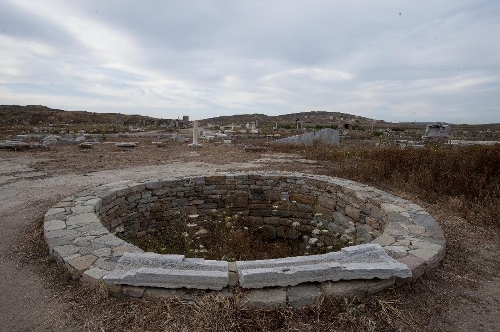
Photo taken on May 28, 2014 shows the remains of an ancient market on the island of Delos, Greece. According to Greek mythology, Apollo was born on this tiny island in the Cyclades archipelago. Apollo's sanctuary attracted pilgrims from all over Greece and Delos was a prosperous trading port. The island bears traces of the succeeding civilizations in the Aegean world, from the 3rd millennium B.C. to the palaeochristian era. The archaeological site is exceptionally extensive and rich and conveys the image of a great cosmopolitan Mediterranean port. (Xinhua/Liu Yongqiu)
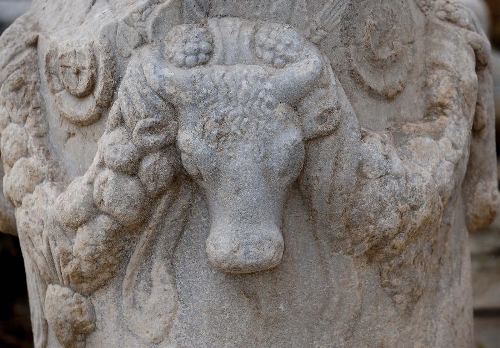
Photo taken on May 28, 2014 shows the decoration of a building on the island of Delos, Greece. According to Greek mythology, Apollo was born on this tiny island in the Cyclades archipelago. Apollo's sanctuary attracted pilgrims from all over Greece and Delos was a prosperous trading port. The island bears traces of the succeeding civilizations in the Aegean world, from the 3rd millennium B.C. to the palaeochristian era. The archaeological site is exceptionally extensive and rich and conveys the image of a great cosmopolitan Mediterranean port. (Xinhua/Liu Yongqiu)
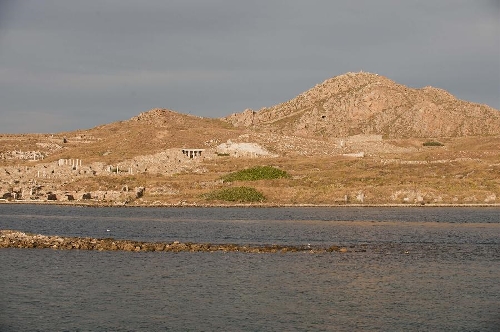
Photo taken on May 28, 2014 shows a scenery of the island of Delos, Greece. According to Greek mythology, Apollo was born on this tiny island in the Cyclades archipelago. Apollo's sanctuary attracted pilgrims from all over Greece and Delos was a prosperous trading port. The island bears traces of the succeeding civilizations in the Aegean world, from the 3rd millennium B.C. to the palaeochristian era. The archaeological site is exceptionally extensive and rich and conveys the image of a great cosmopolitan Mediterranean port. (Xinhua/Liu Yongqiu)
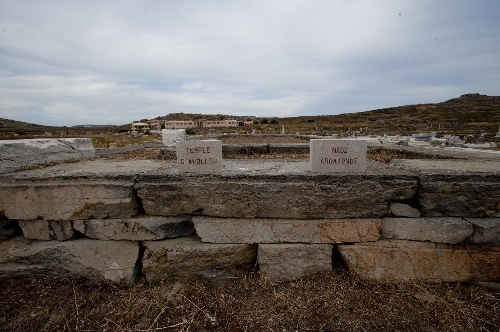
Photo taken on May 28, 2014 shows the remains of the Apollo Temple on the island of Delos, Greece. According to Greek mythology, Apollo was born on this tiny island in the Cyclades archipelago. Apollo's sanctuary attracted pilgrims from all over Greece and Delos was a prosperous trading port. The island bears traces of the succeeding civilizations in the Aegean world, from the 3rd millennium B.C. to the palaeochristian era. The archaeological site is exceptionally extensive and rich and conveys the image of a great cosmopolitan Mediterranean port. (Xinhua/Liu Yongqiu)
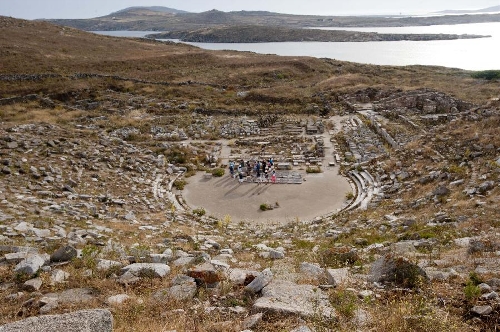
Tourists visit the remains of an ancient theatre on the island of Delos, Greece, on May 28, 2014. According to Greek mythology, Apollo was born on this tiny island in the Cyclades archipelago. Apollo's sanctuary attracted pilgrims from all over Greece and Delos was a prosperous trading port. The island bears traces of the succeeding civilizations in the Aegean world, from the 3rd millennium B.C. to the palaeochristian era. The archaeological site is exceptionally extensive and rich and conveys the image of a great cosmopolitan Mediterranean port. (Xinhua/Liu Yongqiu)
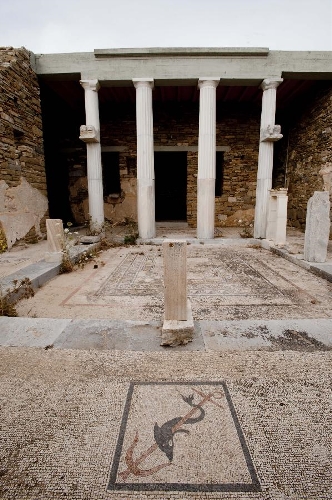
Photo taken on May 28, 2014 shows an ancient folk house named "Trident" on the island of Delos, Greece. According to Greek mythology, Apollo was born on this tiny island in the Cyclades archipelago. Apollo's sanctuary attracted pilgrims from all over Greece and Delos was a prosperous trading port. The island bears traces of the succeeding civilizations in the Aegean world, from the 3rd millennium B.C. to the palaeochristian era. The archaeological site is exceptionally extensive and rich and conveys the image of a great cosmopolitan Mediterranean port. (Xinhua/Liu Yongqiu)
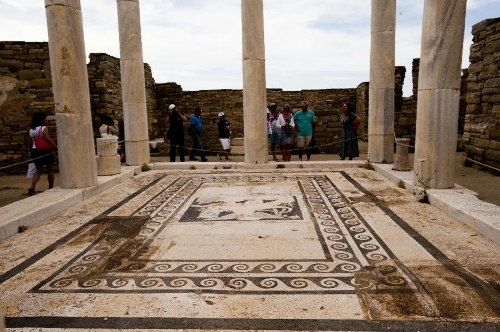
Photo taken on May 28, 2014 shows an ancient folk house named "Dionysos" on the island of Delos, Greece. According to Greek mythology, Apollo was born on this tiny island in the Cyclades archipelago. Apollo's sanctuary attracted pilgrims from all over Greece and Delos was a prosperous trading port. The island bears traces of the succeeding civilizations in the Aegean world, from the 3rd millennium B.C. to the palaeochristian era. The archaeological site is exceptionally extensive and rich and conveys the image of a great cosmopolitan Mediterranean port. (Xinhua/Liu Yongqiu)
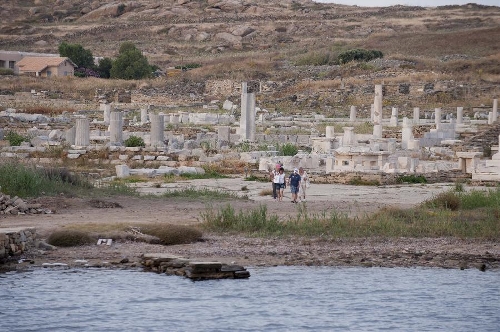
Tourists visit the remains of architecture on the island of Delos, Greece, on May 28, 2014. According to Greek mythology, Apollo was born on this tiny island in the Cyclades archipelago. Apollo's sanctuary attracted pilgrims from all over Greece and Delos was a prosperous trading port. The island bears traces of the succeeding civilizations in the Aegean world, from the 3rd millennium B.C. to the palaeochristian era. The archaeological site is exceptionally extensive and rich and conveys the image of a great cosmopolitan Mediterranean port. (Xinhua/Liu Yongqiu)
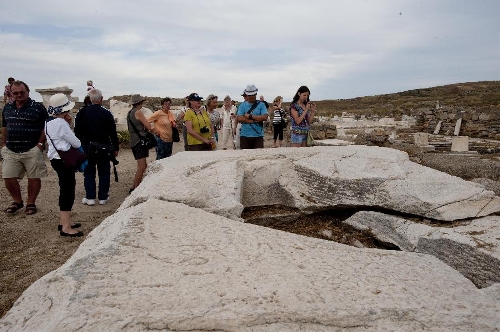
Tourists visit the remains of architecture on the island of Delos, Greece, on May 28, 2014. According to Greek mythology, Apollo was born on this tiny island in the Cyclades archipelago. Apollo's sanctuary attracted pilgrims from all over Greece and Delos was a prosperous trading port. The island bears traces of the succeeding civilizations in the Aegean world, from the 3rd millennium B.C. to the palaeochristian era. The archaeological site is exceptionally extensive and rich and conveys the image of a great cosmopolitan Mediterranean port. (Xinhua/Liu Yongqiu)
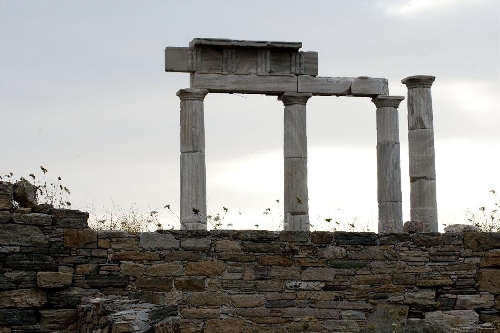
Photo taken on May 28, 2014 shows the remains of an ancient temple on the island of Delos, Greece. According to Greek mythology, Apollo was born on this tiny island in the Cyclades archipelago. Apollo's sanctuary attracted pilgrims from all over Greece and Delos was a prosperous trading port. The island bears traces of the succeeding civilizations in the Aegean world, from the 3rd millennium B.C. to the palaeochristian era. The archaeological site is exceptionally extensive and rich and conveys the image of a great cosmopolitan Mediterranean port. (Xinhua/Liu Yongqiu)
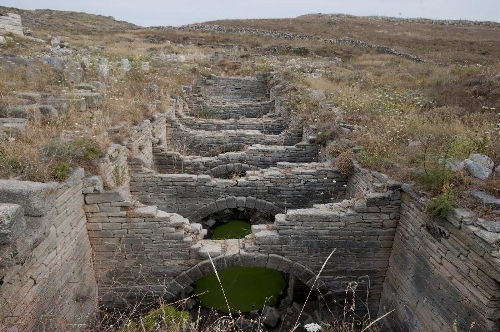
Photo taken on May 28, 2014 shows the remains of a water cellar on the island of Delos, Greece. According to Greek mythology, Apollo was born on this tiny island in the Cyclades archipelago. Apollo's sanctuary attracted pilgrims from all over Greece and Delos was a prosperous trading port. The island bears traces of the succeeding civilizations in the Aegean world, from the 3rd millennium B.C. to the palaeochristian era. The archaeological site is exceptionally extensive and rich and conveys the image of a great cosmopolitan Mediterranean port. (Xinhua/Liu Yongqiu)
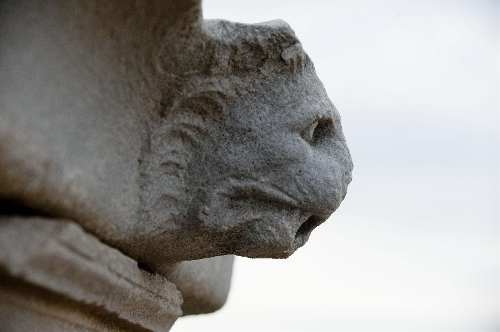
Photo taken on May 28, 2014 shows a replica of a stone lion (the original is kept in the Archaeological Museum of Delos) on the island of Delos, Greece. According to Greek mythology, Apollo was born on this tiny island in the Cyclades archipelago. Apollo's sanctuary attracted pilgrims from all over Greece and Delos was a prosperous trading port. The island bears traces of the succeeding civilizations in the Aegean world, from the 3rd millennium B.C. to the palaeochristian era. The archaeological site is exceptionally extensive and rich and conveys the image of a great cosmopolitan Mediterranean port. (Xinhua/Liu Yongqiu)
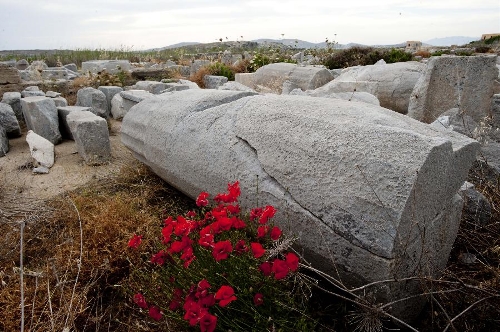
Photo taken on May 28, 2014 shows the remains of a building on the island of Delos, Greece. According to Greek mythology, Apollo was born on this tiny island in the Cyclades archipelago. Apollo's sanctuary attracted pilgrims from all over Greece and Delos was a prosperous trading port. The island bears traces of the succeeding civilizations in the Aegean world, from the 3rd millennium B.C. to the palaeochristian era. The archaeological site is exceptionally extensive and rich and conveys the image of a great cosmopolitan Mediterranean port. (Xinhua/Liu Yongqiu)
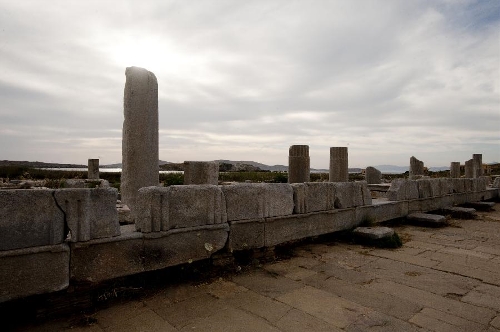
Photo taken on May 28, 2014 shows the remains of a building on the island of Delos, Greece. According to Greek mythology, Apollo was born on this tiny island in the Cyclades archipelago. Apollo's sanctuary attracted pilgrims from all over Greece and Delos was a prosperous trading port. The island bears traces of the succeeding civilizations in the Aegean world, from the 3rd millennium B.C. to the palaeochristian era. The archaeological site is exceptionally extensive and rich and conveys the image of a great cosmopolitan Mediterranean port. (Xinhua/Liu Yongqiu)
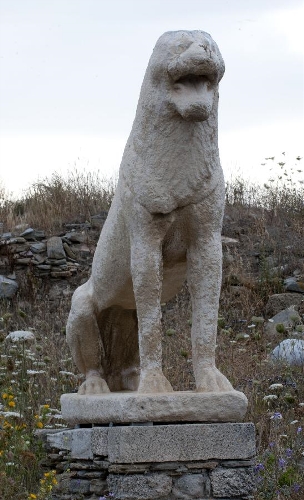
Photo taken on May 28, 2014 shows a replica of a stone lion (the original is kept in the Archaeological Museum of Delos) on the island of Delos, Greece. According to Greek mythology, Apollo was born on this tiny island in the Cyclades archipelago. Apollo's sanctuary attracted pilgrims from all over Greece and Delos was a prosperous trading port. The island bears traces of the succeeding civilizations in the Aegean world, from the 3rd millennium B.C. to the palaeochristian era. The archaeological site is exceptionally extensive and rich and conveys the image of a great cosmopolitan Mediterranean port. (Xinhua/Liu Yongqiu)
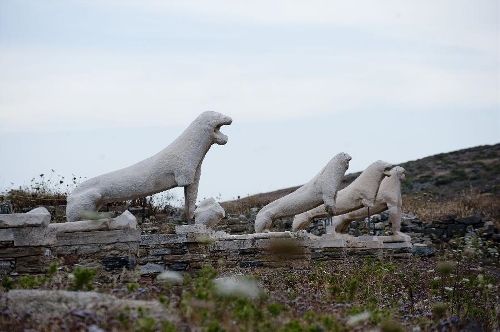
Photo taken on May 28, 2014 shows replicas of stone lions (the original is kept in the Archaeological Museum of Delos) on the island of Delos, Greece. According to Greek mythology, Apollo was born on this tiny island in the Cyclades archipelago. Apollo's sanctuary attracted pilgrims from all over Greece and Delos was a prosperous trading port. The island bears traces of the succeeding civilizations in the Aegean world, from the 3rd millennium B.C. to the palaeochristian era. The archaeological site is exceptionally extensive and rich and conveys the image of a great cosmopolitan Mediterranean port. (Xinhua/Liu Yongqiu)