Grave matters
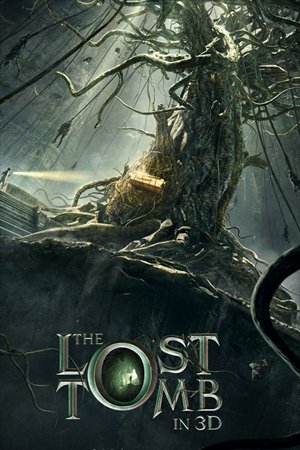
Promotional material for The Lost Tomb

Fans line up to have their books signed by Xu Lei, the author of The Grave Robbers' Chronicles. Photos: CFP
During the Cannes Film Festival last month, H&R Century Pictures Co, Ltd announced its plans to bring the series of novels The Grave Robbers' Chronicles (Daomu Biji) by Xu Lei, widely known by his pen name Nanpai Sanshu, to the big screen as The Lost Tomb. With a concept poster already printed on booklets for Cannes, the first movie of the franchise, which is mainly based on the first book of the nine-book series, is scheduled to begin filming in 2015 with a budget of over 200 million yuan ($32 million) and is set to hit cinemas during summer vacation 2016.
First starting out as a series of online novels in 2006, the series has earned a great amount of popularity, bringing the author to the No.2 spot on the 2011 China's Richest Writers list (compiled annually by Huaxi Metropolitan Daily). This popularity is not just limited to the novels, an adapted stage drama that opened last year has also had great success and is still touring around the country.
Graves, tombs and other eerie places seem to be in this year. Another top series of novels within the same genre by Zhang Muye, or Tianxia Bachang, Ghost Blows Out the Light (Gui Chui Deng) is set to have two movie adaptations. Directed by Wuershan and Lu Chuan respectively, these projects are scheduled to begin this year.
It's been a hot topic of discussion among millions of readers of these two series of novels whether the film adaptations will be strictly based on the original stories in the books, who will star as their favorite characters and whether romantic stories and extra characters will be added into the movies.
However, among this discussion the voices of archaeologists and their supporters have also risen, urging people to boycott these grave robbery themed novels and movies. Dedicated to preserving history, these groups have never concealed the disdain they have towards grave robbers.
Irreparable damage
Some of Xu's fans have replied that archaeologists are worrying too much: Readers, at least most of them, are able to distinguish between real life and the novels and just because fans love the novels doesn't mean they love grave robbery.
However, the truth is that not everyone is as rational as these fans make out. Though Xu himself has publicly stated several times that most of the content of his stories is fictional, some readers are still under the impression that his work is real.
According to a report in the Legal Daily last June, three men in their 20s were arrested for planning to steal from a Qing Dynasty (1644-1911) tomb in Fenghua, Zhejiang Province, after reading the grave robbery novels. The three got to know each other through a QQ group called "Daomu Jiazu" (lit. grave robbery family) which mostly centered around discussions about the grave robbery knowledge depicted in the novels. Buying tools to dig holes, the men set out to make their way into the tomb as the characters in the novels do.
Although this is a very extreme example of a few ignorant readers, we can still find plenty of posts by readers on tieba.com and other online communities that claim how excited they are about the grand adventure they imagine grave robbery to be and how they want to give it a try themselves. Joking or not, posts like these are rather shocking. The truth of the matter is, that when it comes to precious ancient relics, all it would take is some would-be "grave robber" to make a single mistake and destroy some unique piece of history forever.
Robbers - not archaeologists
What also makes many archaeologists really upset is that many readers see archaeology as being no different than grave robbery, the only difference being that archaeology is legal and organized by the government or official institutions, while grave robbery is not.
The guilt here can't be entirely placed on the authors of these series. Long before online grave robbery literature become popular in China, movies and video games from abroad blurred the line between archaeologists and grave robbers. The hero of the Indiana Jones series, where the main character's personal adventures are set among ruins and tombs around the world, was selected as the second greatest film hero of all time by the American Film Institute in 2003. Meanwhile, Lara Croft, from the game and movie series Tomb Raider, is also described as a sexy and smart heroine raised in an archaeologist family. Coincidently, during the course of their adventures in video games both Jones and Croft have come to China seeking treasure that once belonged to China's first emperor Qin Shi Huang.
It seems to be a natural part of grave robbery literature to legitimize the actions of grave robbers in the story by putting an archaeologist onto a team of grave robbers or mentioning how some of these "expert robbers" have been invited to take part in archaeological digs.
"Archaeology studies history, explores the lives of ancient people and protects the relics and ruins of culture, aiming to help people understand the past, while grave robbery is destructive excavation fueled by selfish desire and money," a manager for website kaoguwang.com explained on the site's official Weibo account.
In real life, archaeology is never an adventure seeking treasure and archaeologists don't make their way past traps and poisonous arrows arranged by ancient tomb builders or fight zombies and ghosts. What they DO do is protect and maintain historical relics and rescue them from the destruction of time.
In a post on the Sina Weibo of "luoxiaoqi 2010" - an account verified by Sina as belonging to an archaeologist - the author emphasized that the most valuable thing about artifacts found in tombs, even if they are broken or not made from valuable materials, is the way they help prove or disprove what we know about the past, rather than the price they fetch at an auction.
Although we should never expect the entertainment industry to carry on the responsibility of popularizing knowledge, with the popularity of these series at an all time high, now is actually a good opportunity for schools and institutions to educate the public on how to protect relics or how to prevent tomb robbery - something that still happens in China today.