Scary secrets
A look at what makes HK horror films work
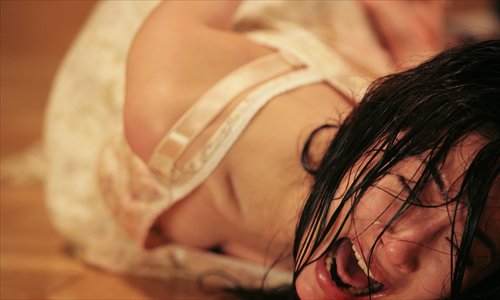
A scene from Dream Home
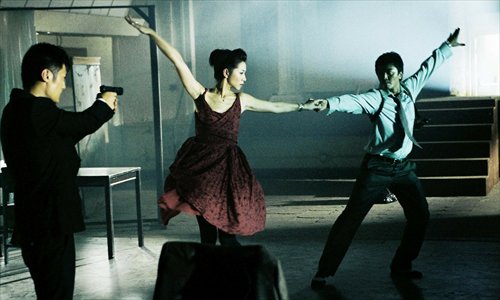
A scene from Rule Number One Photos: CFP
Unlike the situation in the Chinese mainland, where horror films have been ignored or suppressed for a long time, Hong Kong-produced horror flicks have won huge audience numbers with their unique features and high production values. Entertaining and popular, Hong Kong horror movies stand in sharp contrast to works from the mainland, which often focus on moral lessons and therefore come across as preachy.
In Hong Kong, many famed directors have shot a horror film or two. The Hong Kong New Wave, an important cinematic trend that lasted from the 1970s to 1980s and which highly influenced the later Hong Kong film industry, saw a number of horror films like Ann Hui's The Secret (1979) and Hark Tsui's Butterfly Murders (1979).
Decades after this New Wave, countless popular horror films have been produced in Hong Kong. Ever since the beginning of this century, Hong Kong horror films began showing a new trend: integration of other cultures, mixing tradition and modern culture, and increasing international cooperation, just to name a few. Each of these have brought a brand new different element to Hong Kong's original flavor.
Multi-genre mixture
Moving into the 21st century, Hong Kong horror films are no longer contained by a single genre. On the contrary, they freely mix romance, comedy, crime and other genres into one.
Released in 2002, Johnnie To and Wai Kar-fai's My Left Eye Sees Ghosts tells the story of a woman May Ho (Sammi Cheng), who falls in love with a man while on vacation. Getting married after a quick courtship, Ho's husband dies in an accident. Heart broken and misunderstood by her husband's family, Ho surprisingly finds she is able to see ghosts with her left eye.
At a time when the Hong Kong film industry was in a slump, the film earned more than HK$4 million ($500,000) in two days, while also creating a ton of buzz. Looking back, we can see the success of the film lies in its decision to combine romance, comedy and horror into one film, thereby bringing audiences a fresh experience that was funny but at the same time moving and scary.
Released in theaters that same year, The Eye, directed by the Pang Brothers was another example of genre combination. Presented as a ghost movie, The Eye is a romance film at heart: After receiving an eye operation, the formerly blind Wong Kar-mun (Angelica Lee) discovers she is able to see ghosts. As she tracks the origin of her donated corneas, Wong discovers the heart-breaking story of the donor.
Other examples of genre mixing include Pang Ho-cheung's 2010 film Dream Home and Kelvin Tong's Rule Number One (2008) which combine action and crime drama elements with horror.
Modern city life
While Hong Kong is a modern and prosperous city, under the surface the city is still deeply influenced by traditional farming culture psychology. Looking at Hong Kong horror films before 2000, you may notice that works adapting ancient Chinese legends and novels make up a large percentage of these films, and that many take place in the countryside or old villages.
A new century saw new horror films moving from the countryside and into the city, though classic stories like Qing Dynasty (1644-1911) novelist Pu Songling's Strange Tales from a Chinese Studio still serve as cultural well that many filmmakers head back to. Elevators, offices and garages, places that are closer to city dwellers, are now the places where the spirits of the dead lurk in the shadows.
At the same time, the cinematic themes of these horror films become linked to modern society as well, such as the lack of trust between people and the ever increasing pace of life.
In one of the three stories from the 2002 film Three, actor Leon Lai plays a man surnamed Yu who believes bathing his dead wife in traditional Chinese medicinal soup can bring her back to life. Despite the fact his wife has been dead for three years, his neighbors remain oblivious of his actions, a reflection of the increasing isolation between neighbors in big cities who lock themselves behind cold apartment doors.
One of the stories in the sequel, Three Extremes (2004), titled Dumplings reflects the coldness and indifference that can grow between couples as they get older by portraying a middle-aged woman (Miriam Yeung), who in order to keep a youthful appearance and keep her husband around, eats dumplings made with a "secret ingredient."
The coming Midnight Garage, set for October 24 on the mainland, takes place in an underground garage, itself a microcosm of modern society, where people of different classes interact.
International cooperation
As communication around the globe draws tighter, international cooperation becomes more and more commonplace. This is also true of the film industry. In recent years, the production of Hong Kong horror films has begun to cross national borders, as countries like Japan, South Korea and the US become partners with local studios.
Three, for example, contains three separate horror stories produced by crews from Hong Kong, South Korea and Thailand respectively.
Other works, though not presented in the same way, are increasingly involving actors and crew from different countries.
Global Times