Shanghai’s wetlands open for sightseeing and rejuvenation
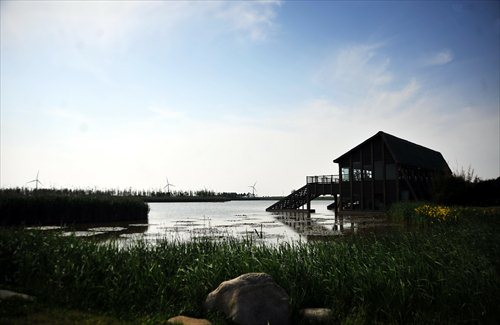
Wetlands are the most diverse and productive ecosystems on our planet, where people can enjoy livelihoods from birds, plants, farming, tourism and fresh water. Photos: CFP
The theme for the 2016 World Wetlands Day, which is today, is "Wetlands for our Future: Sustainable Livelihoods" and has been selected to demonstrate the vital role of wetlands for the future of humanity and specifically their relevance to achieving new sustainable development goals.
Wetlands are the most diverse and productive ecosystems on our planet. Livelihoods from fishing, rice farming, travel, tourism, and fresh water can be provided by wetlands, which are also vital to human survival. They host a huge variety of life, protect our coastlines, provide natural sponges against river flooding, and store carbon dioxide to regulate climate change.
According to a Shanghai government report in 2015, Shanghai's wetlands cover around 377,000 hectares, including 319,000 hectares of natural wetlands and 57,900 hectares of constructed wetlands. The size of constructed wetlands has increased 18-fold over the past 10 years.
The natural wetlands are divided into 296,700 hectare of coastal wetlands, 9,300 hectares of marsh wetlands, 7,300 hectares of riverine wetlands, and 5,800 hectares of lake wetlands.
Here is an introduction to some of Shanghai's best-known wetland parks which welcome visitors who enjoy the beauty and splendor of these natural assets.
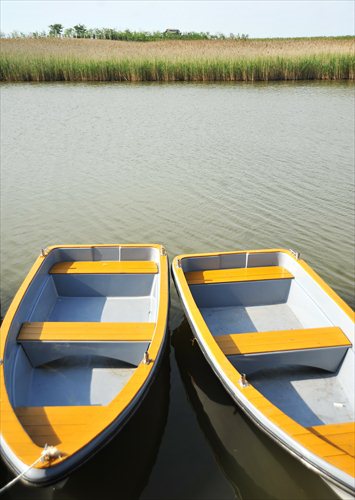
Wetlands are the most diverse and productive ecosystems on our planet, where people can enjoy livelihoods from birds, plants, farming, tourism and fresh water. Photos: CFP
1. Shanghai Chongming Xisha Wetland Park
Located on the southwest of Chongming Island, the Xisha Wetland Park is Shanghai's only natural wetland with tidal phenomena and plots of woodlands and beaches. Spread over 363.1 hectare, this wetland park has typical geological relics and wetland features. Here visitors can view a huge variety of vegetation, rare birds and unique aquatic resources.
Opening hours: 8:30 am to 4 pm
Admission: free
Getting there: Taking public transportation is complicated and driving is easier - it's about a two or two-and-a-half hour drive from downtown Shanghai.
2. Dongtan Wetland Park
Located on the eastern side of Chongming Island, the Dongtan Wetland Park is adjacent to the Dongtan Birds National Nature Reserve. An estimated 112 species of birds can be found in this park. Hundreds and thousands of migrating birds from Asia Pacific regions stop at this park, and the best times to view them are from November to March.
To get around the park, visitors can walk, take electric cars or ride bikes. There are plenty of things to do here including camping, barbecues and fishing. This park is said to be the best place to view the sunrise on Chongming Island.
Opening hours: 9 am to 5 pm,
Admission: 45 yuan ($6.83) per person on weekdays, and 80 yuan on weekends
Getting there: Driving is easier or one can take Shenchong bus lines 1 or 2 from downtown Shanghai, get off at Chenjia Town Station, and then take the Chenqian Line bus to Qianshao Farm Station, before taking a taxi to the park.
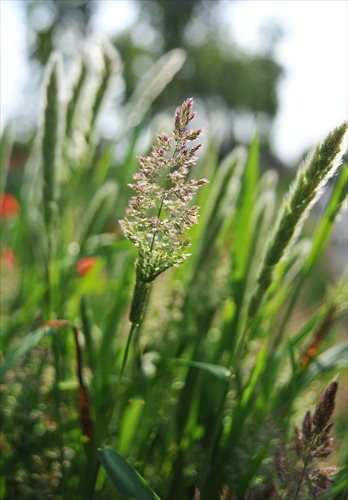
Wetlands are the most diverse and productive ecosystems on our planet, where people can enjoy livelihoods from birds, plants, farming, tourism and fresh water. Photos: CFP
3. Mingzhu Lake Park
Covering 433 hectares, the Mingzhu Lake Park is located in the southwest of Chongming Island. This wetland park is famous for its beautiful lake views and farming culture. Visitors can enjoy fishing, boating and, at certain times, harvesting farm produce.
Opening hours: 8:30 am to 6 pm
Admission: 45 yuan per person
Getting there: Driving is recommended.
4. Wusong Paotaiwan Wetland Forest Park
Located in east Baoshan district, this park faces the Yangtze and Huangpu rivers in the east and sits beside Paotai Mountain in the west. It spreads over more than 110 hectares.
The park retains the original style of Yangtze River wetlands and also showcases local military culture and history in a series of sightseeing venues.
Visitors and families can enjoy a variety of activities, including slides, swings, sandpits, kite flying and boating.
Opening hours: 7 am to 6 pm (winter); 7 am to 7 pm (summer)
Admission: 10 yuan
Getting there: Buses 53 and 719 go straight to the park. Buses 51, 90, 711, or 952 will take you to the Shuangcheng Road Bus Stop - just a short walk to the park. Take Shenchong bus lines 1 or 2, and get off at Chenjia town. Take Metro Line 3 to Shuichan Road and then take the Line 11 bus to the park.
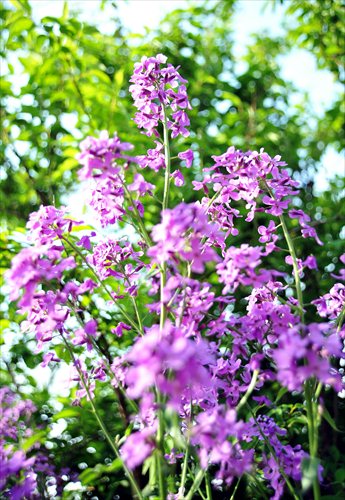
Wetlands are the most diverse and productive ecosystems on our planet, where people can enjoy livelihoods from birds, plants, farming, tourism and fresh water. Photos: CFP
5. Expo Houtan Park
Houtan Park, at the west of the former Expo exhibition zone, is a major green space, covering around 18 hectares.
Converted from a once polluted industrial area, the park has an artificial ecosystem for purification, production and conservation. The artificial ecological water purification system in the park could be replicated elsewhere in the future and the original management system could be a new model for similar areas as the park requires little maintenance.
Opening hours: 7 am to 6 pm
Admission: Free
Getting there: Take Metro Line 7 and get off at Houtan Station. Take the metro exit 4, turn left and walk down Expo Avenue for around 250 meters. Or take Metro Line 8 and get off at the China Art Museum Station, then take exit 3 or 4 to Expo Avenue, and walk toward the west for a kilometer. Visitors can also catch buses 170, 314, 610, 627, 815, 818, 82 to Expo Avenue Station, and then walk for around 250 meters.
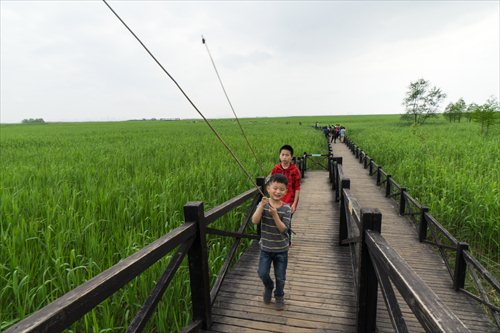
Wetlands are the most diverse and productive ecosystems on our planet, where people can enjoy livelihoods from birds, plants, farming, tourism and fresh water. Photos: CFP
6. Nanhuizui Sea-viewing Park
Located in the southeastern corner of Shanghai, the newly built 1.82-hectare Nanhuizui Sea-viewing Park is far away from downtown pollution, crowds and busy lifestyles.
At night visitors can watch the stars - you can see the Milky Way clearly here on a good night. Other visitors come here in the early morning to enjoy the deep red sunrises.
Opening hours: Open 24 hours
Admission: Free
Getting there: The best way to get to the park is to take Metro Line 2 to Longyang Road Station, then transfer to Line 16 to Dishui Lake Station. Then catch a Pudong Line 33 bus to the park.
7. Binjiang Forest Park
The Shanghai Binjiang Forest Park is situated on Pudong's coast where the Huangpu and Yangtze rivers and the East China Sea merge. It is Shanghai's largest forest park, covering around 3 square kilometers.
Here visitors can find more than 200,000 trees and thousands of plants, including an azalea garden, a magnolia garden and an area for aquatic plants. Azaleas are the most prominent flowers in the park, and when they bloom visitors can revel in a colorful sea of more than 5,000 azaleas.
Opening hours: 10:30 am to 4:30 pm
Admission: 20 yuan
Getting there: Take bus lines 81, 508, 602,640 or 793 and get off at Gaoqiao Station to take the Binjiang Forest Park bus.
Global Times
Newspaper headline: Back to nature