Chūnjié is coming: traditional Chinese customs for the new year celebration
By Xinhua, Published: 2016-02-01 10:56:44
The Chinese New Year is celebrated according to the Chinese calendar, which is divided into twelve months of 29 or 30 days each. The last month of the year is called Làyuè.
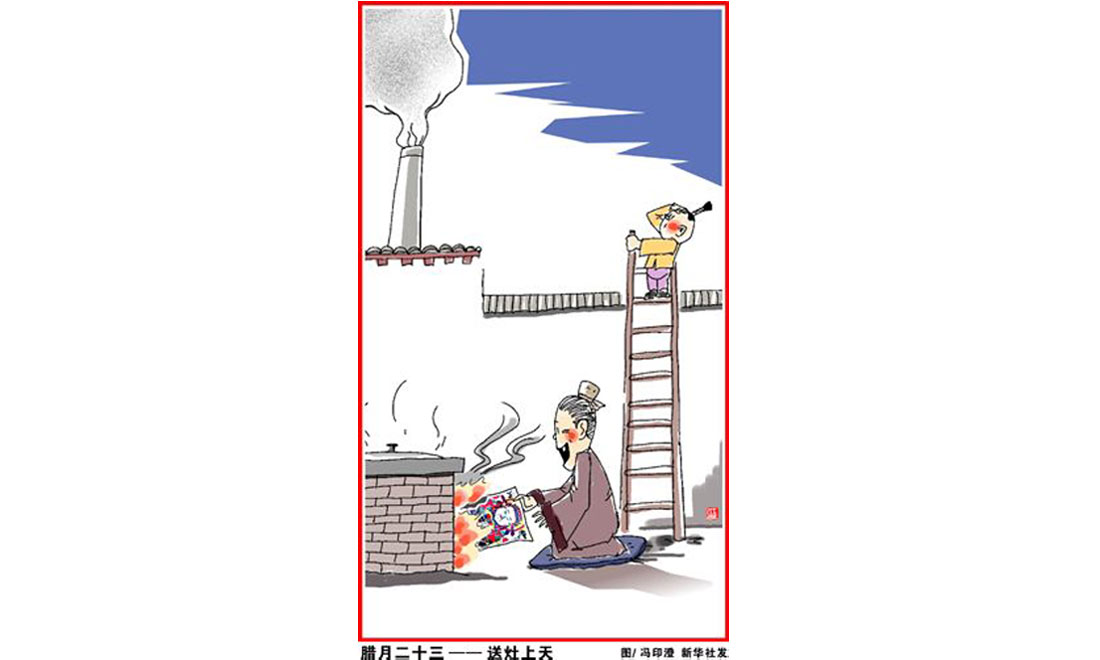
Preliminary Eve (Chinese: Xiaonián ) is celebrated on the 23rd day of the last month in north China or the 24th in south China. The day marks the beginning of preparing for the new year festivities, and people start to buy food for the big meal on New Year’s Eve.
Editor's Note:
Chinese New Year is coming on February 8. This is a time of old traditions that are still practiced today. The most beloved customs are the family reunion dinner on the evening before Chinese New Year, and the red envelopes stuffed with money that elder family members give children. Here is a guide to what Chinese do during Chūnjié, the Spring Festival. Photos: Xinhua
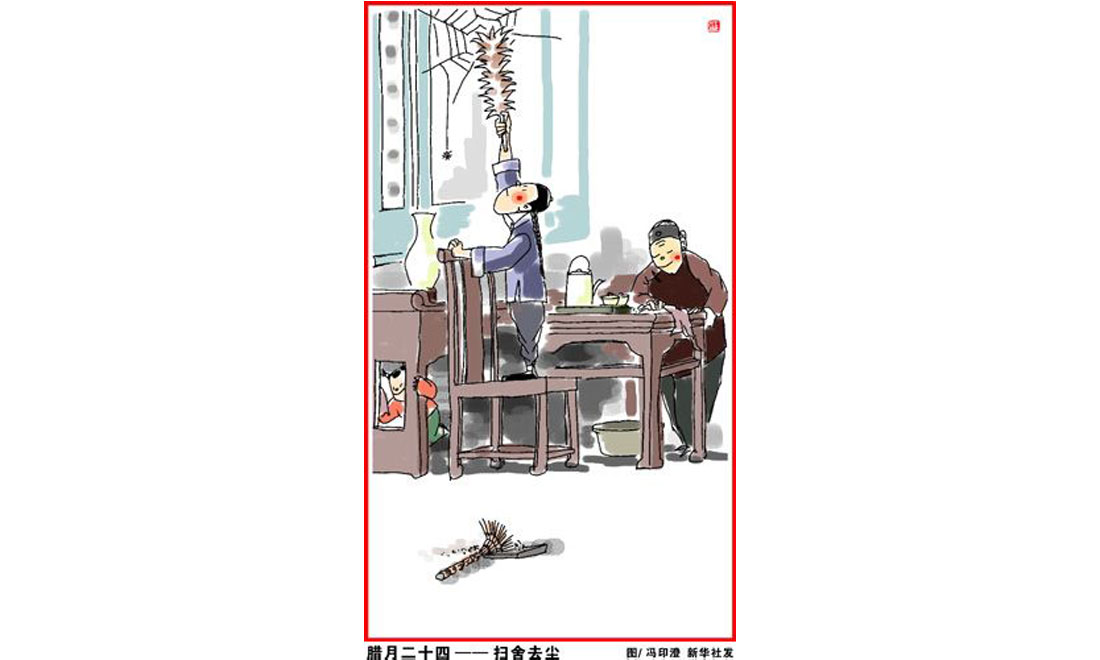 The 24th day of the last month is the traditional cleaning day. Families thoroughly clean their houses together, including dusting the ceiling. This signifies throwing out the old and making space for the new in the year ahead.
 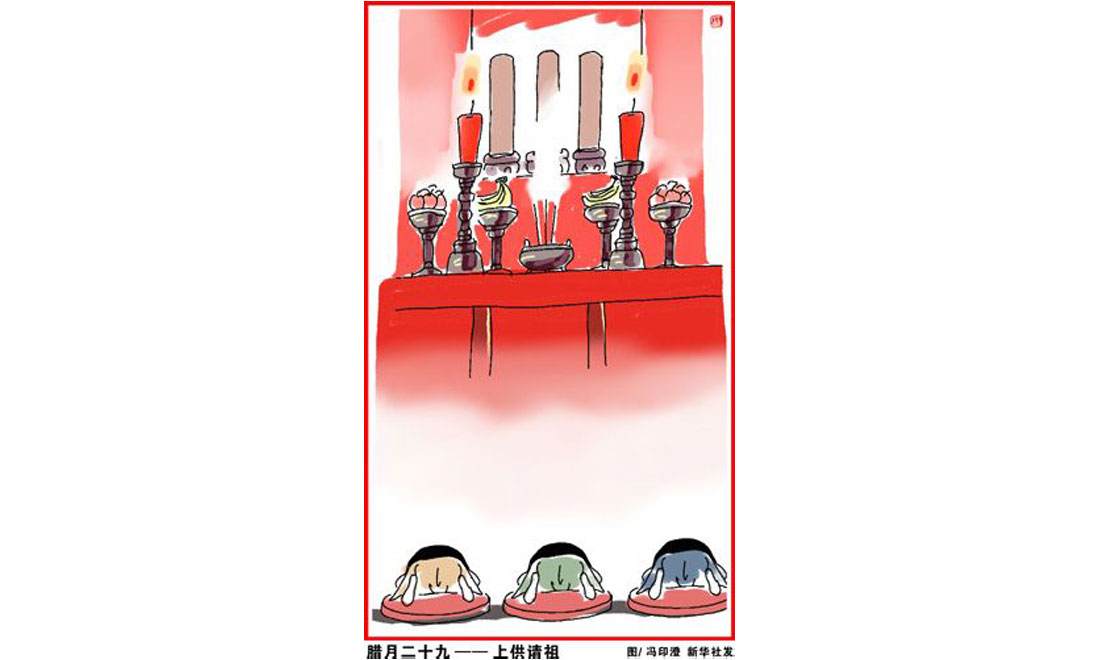 The 29th day of the last month is set aside for worshipping family ancestors.
 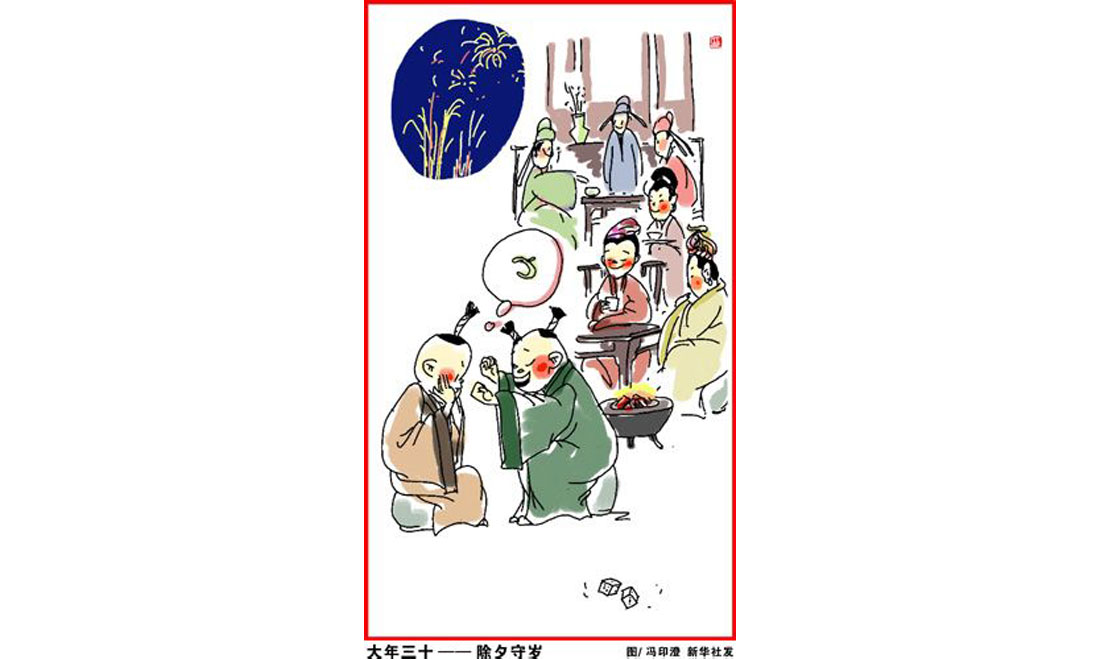 The last day of the last month is New Year's Eve (Chinese: Chúxi). Family members gather together and have a big reunion dinner. After the feast, people play games and children set off firecrackers. Everybody stays up late all night to welcome the coming of the new year.
 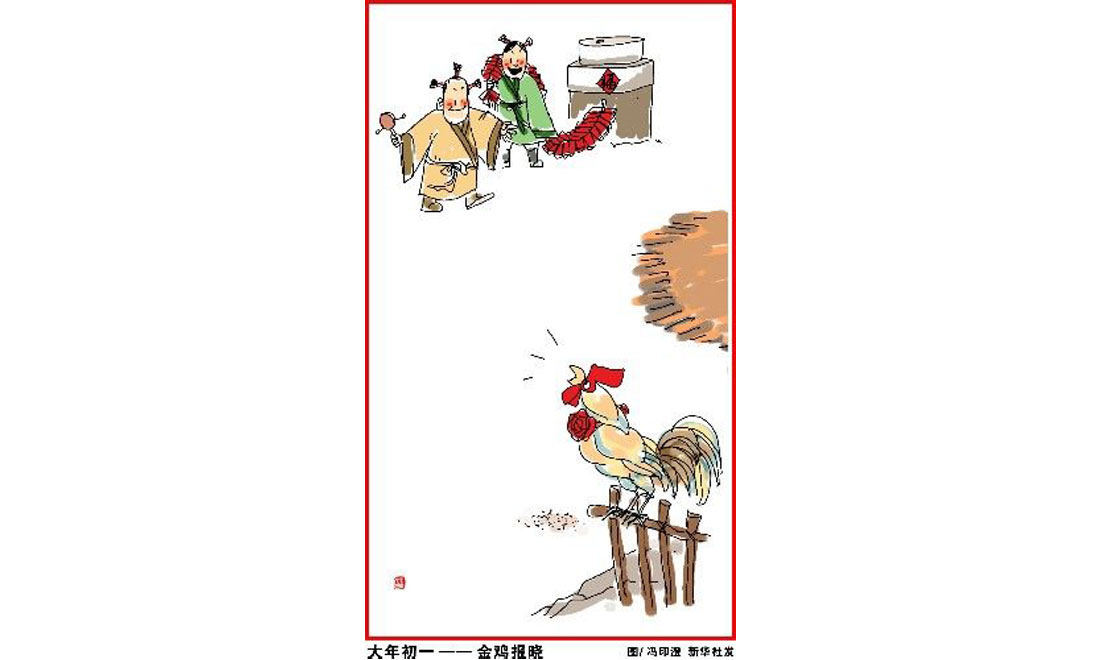 New Year's Day (Chinese: Chunjié) is the first day of the first month of the Chinese calendar, known as Zhengyuè. Family members visit each other and send best wishes for the new year. Younger people visit the homes of elder family members, and seniors give lucky money stuffed in red envelopes (hóngbao) to children as a new year gift.
 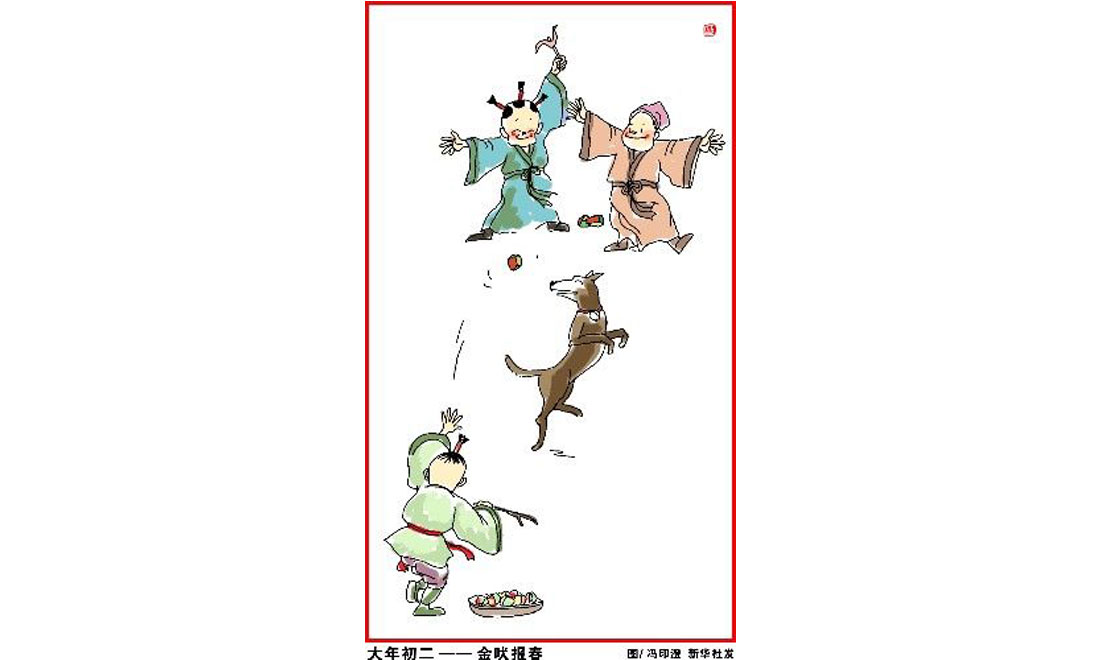 On the second day of the new year, families gather together to enjoy a delicious feast, often inviting friends to join.
 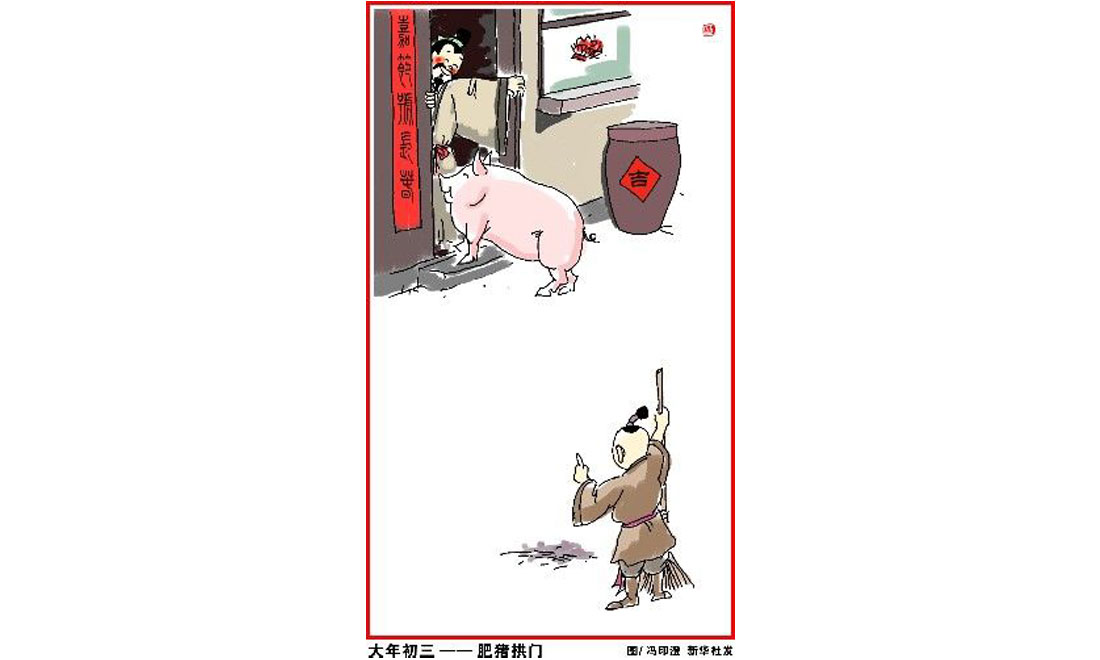 On the third day of the new year, married couples visit the wife’s family, bringing best wishes and presents for them.
 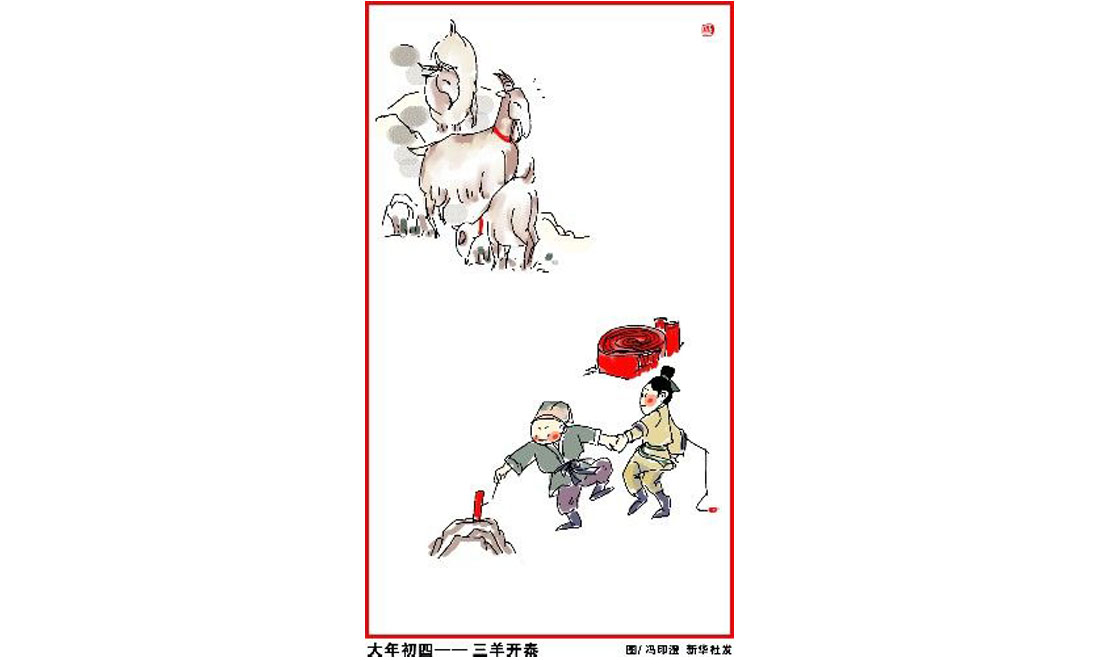 On the fourth day of the new year, people offer prayers and a simple ceremony to the God of the Kitchen, asking to be provided with ample food in the new year.
 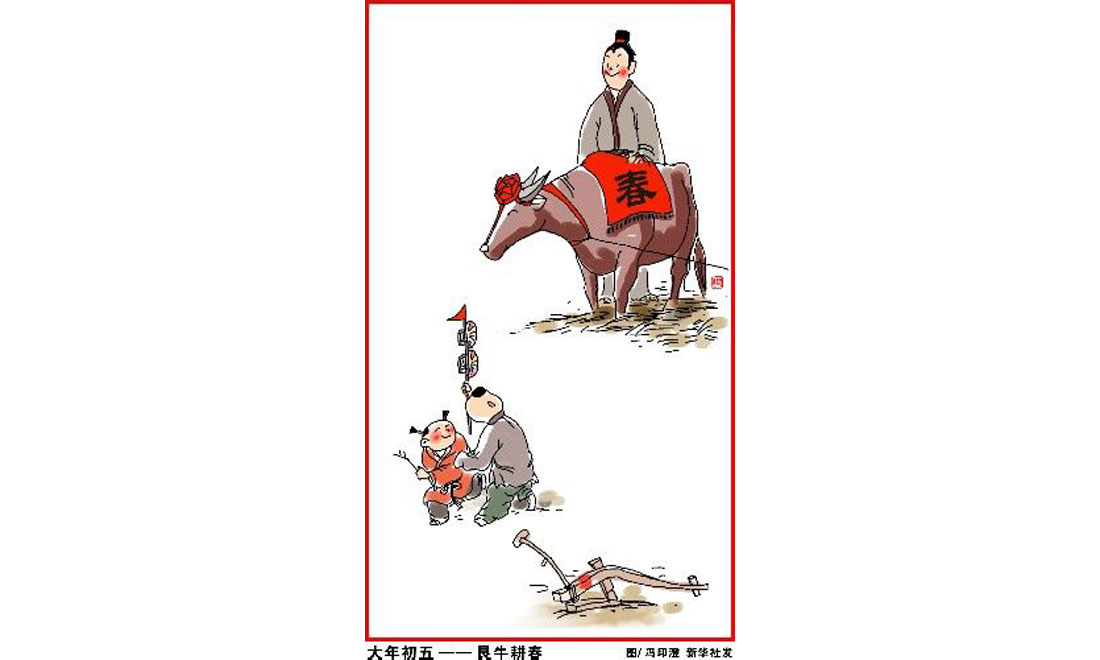 The fifth day of the new year is called God of Wealth Day. People will do a ceremony called the God of Wealth is Welcome. In the old days, merchants used to open their stores on this day.
 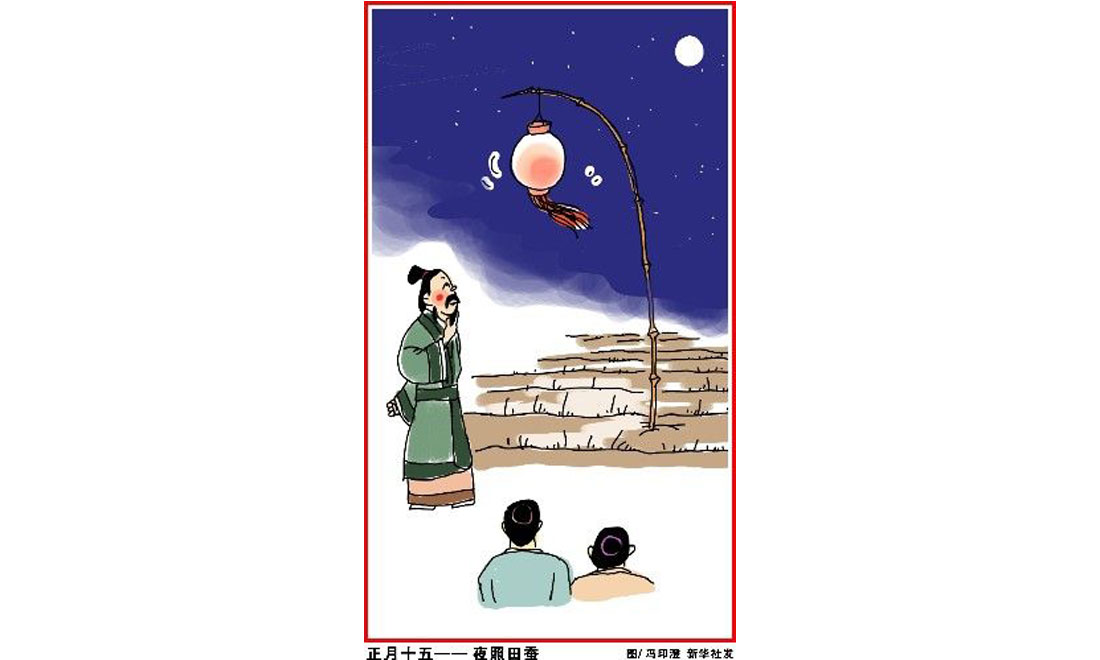 The 15th day of the new year is called Yuánxiao, the Lantern Festival. It marks the last day of the lunar New Year celebration. Traditionally, children visit temples in the evening, carrying paper lanterns, and try to solve riddles written on the lanterns.