Editor's Note:
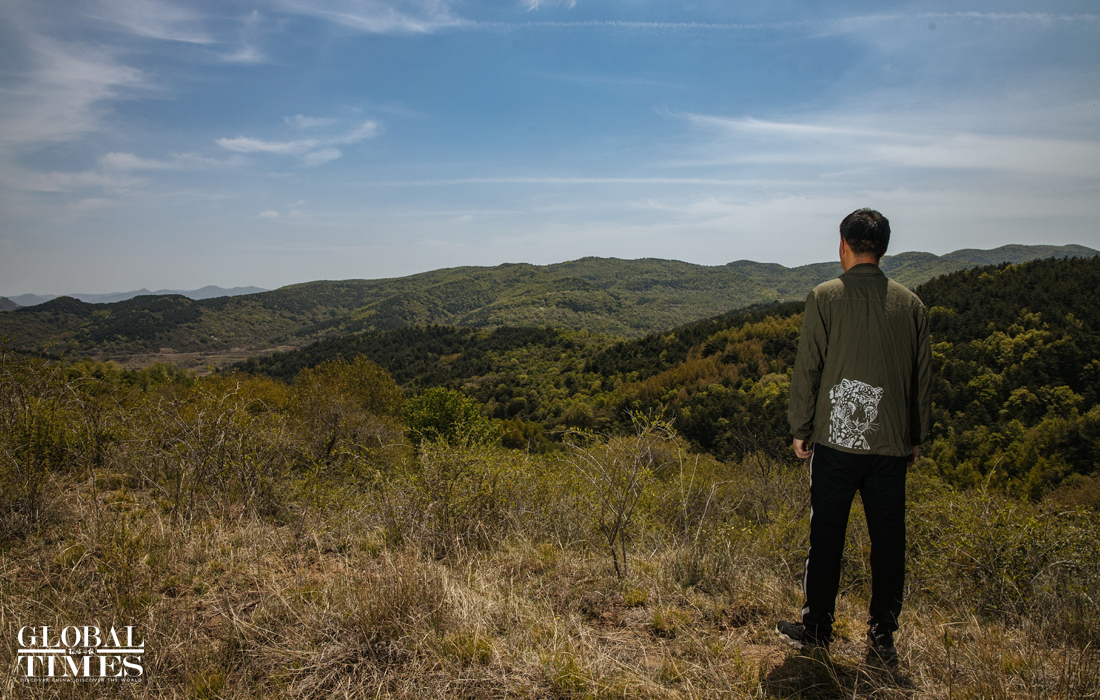
The North China Leopard, also known as the Chinese Leopard, is classified as a first-class national protected animal in China. The Taihang Mountains, which run across Beijing and the provinces of Hebei, Shanxi and Henan, used to be the natural habitat of the leopard.
This is a large carnivore predator at the top of the food chain in the forest ecosystem of North China which has an important impact on the composition, function and sustainability of biodiversity in the region. Carrying out basic ecological research about the North China leopard and its feeding habits has great significance for guiding biodiversity conservation and ecosystem restoration in North China.
Composed of a group of eco-lovers and scientists, the Chinese Felid Conservation Alliance (CFCA), a non-governmental environmental organization dedicated to the protection of the wild leopard in China, has been investigating and protecting wild leopards for many years. In recent years, they have mainly studied and protected the North China leopard and the ecosystem of the Taihang Mountains area.
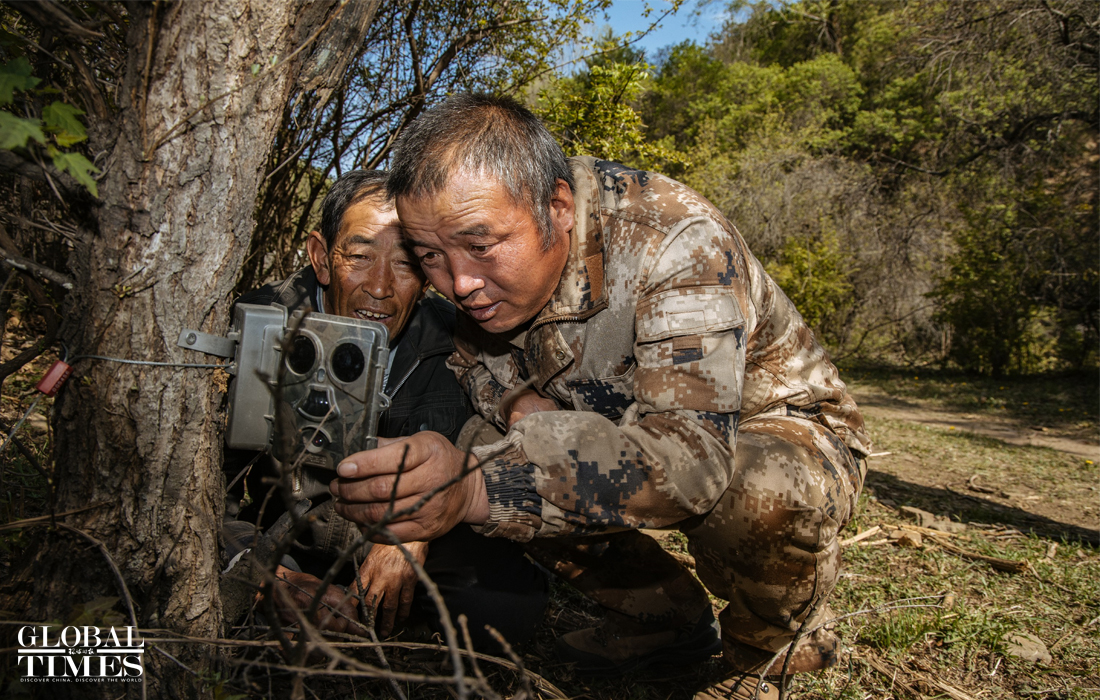
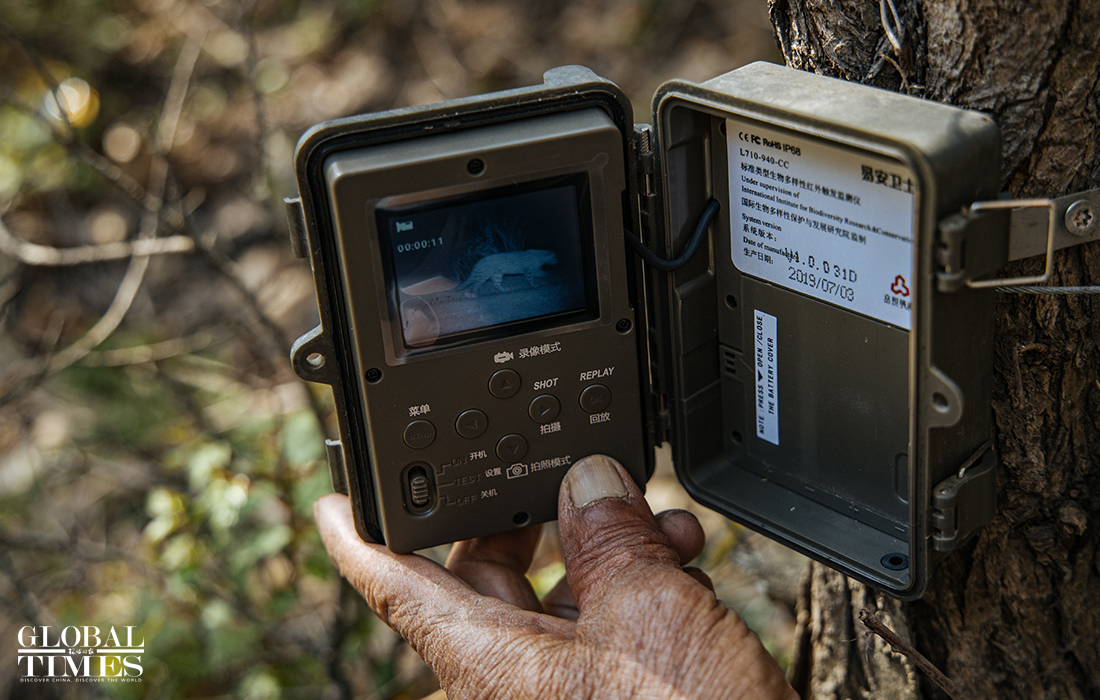
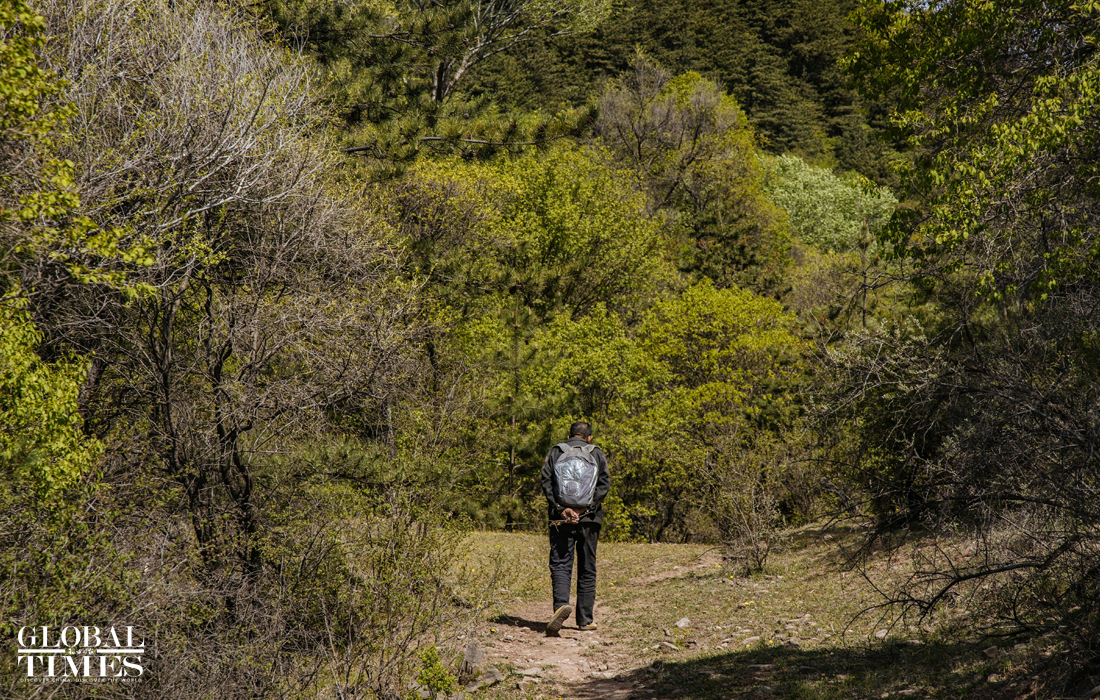
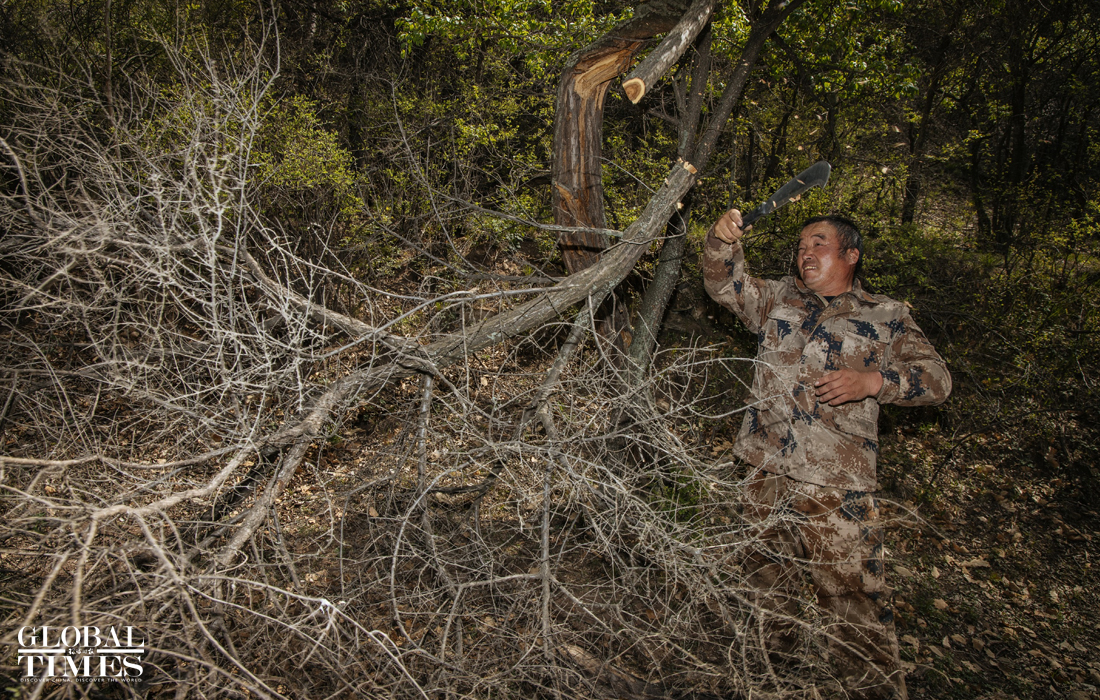
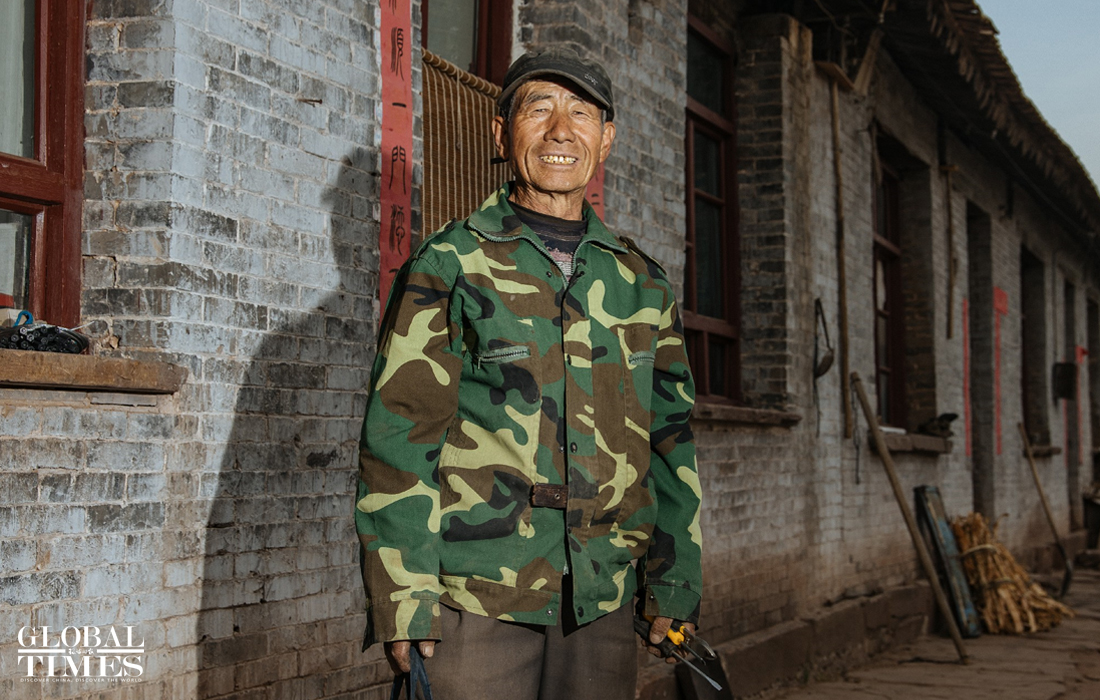
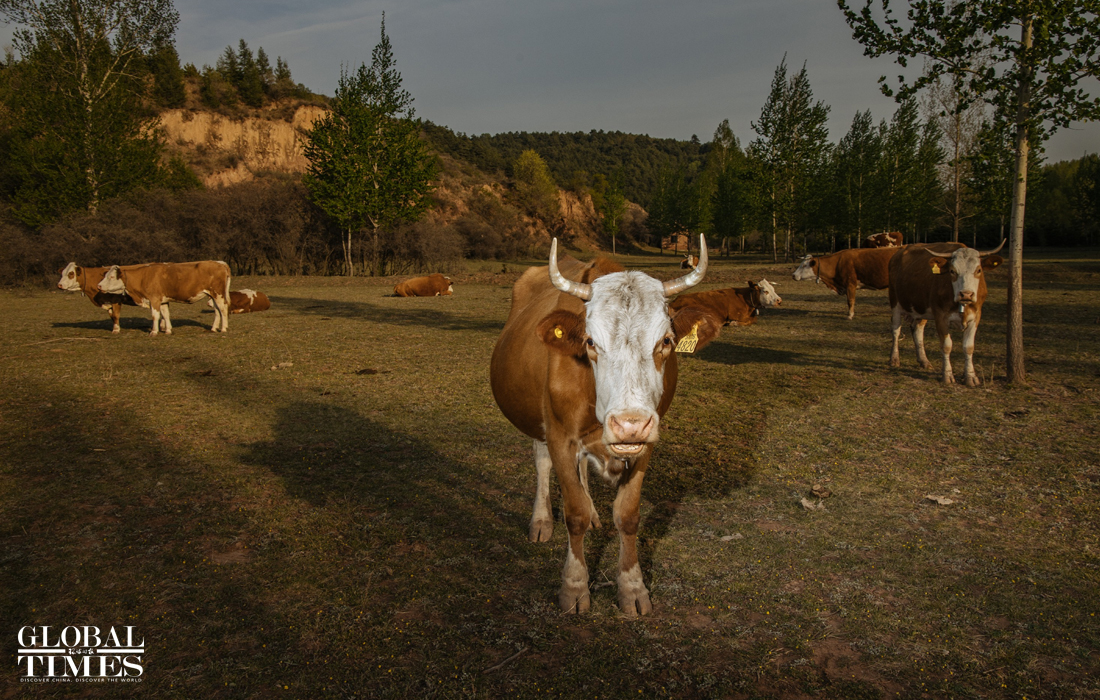
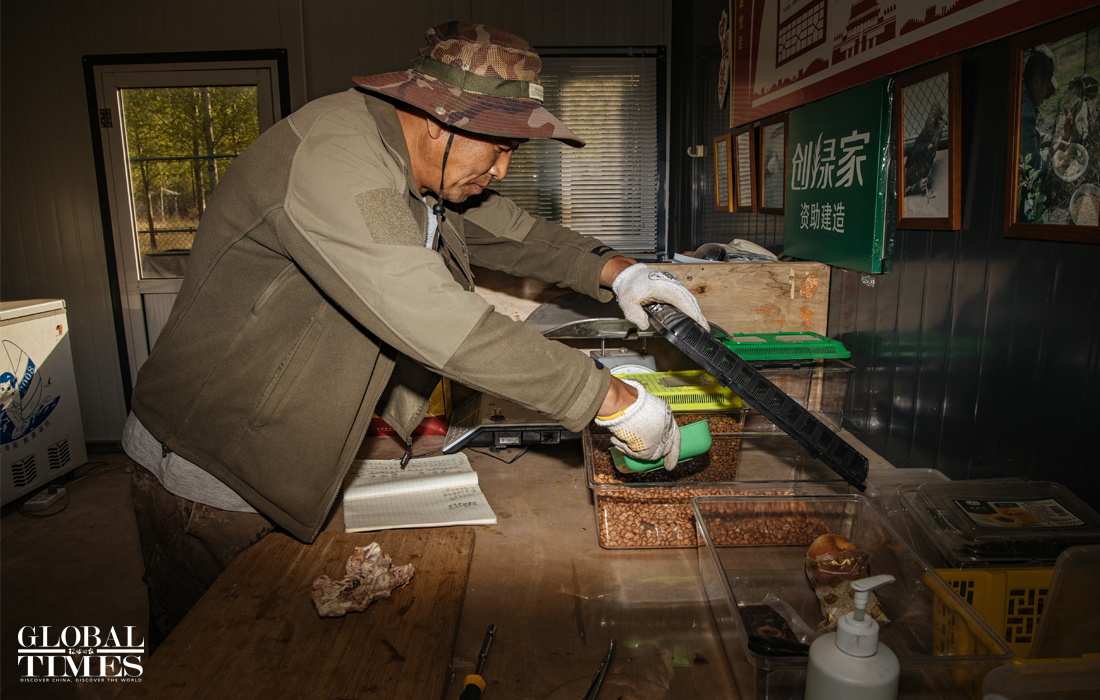
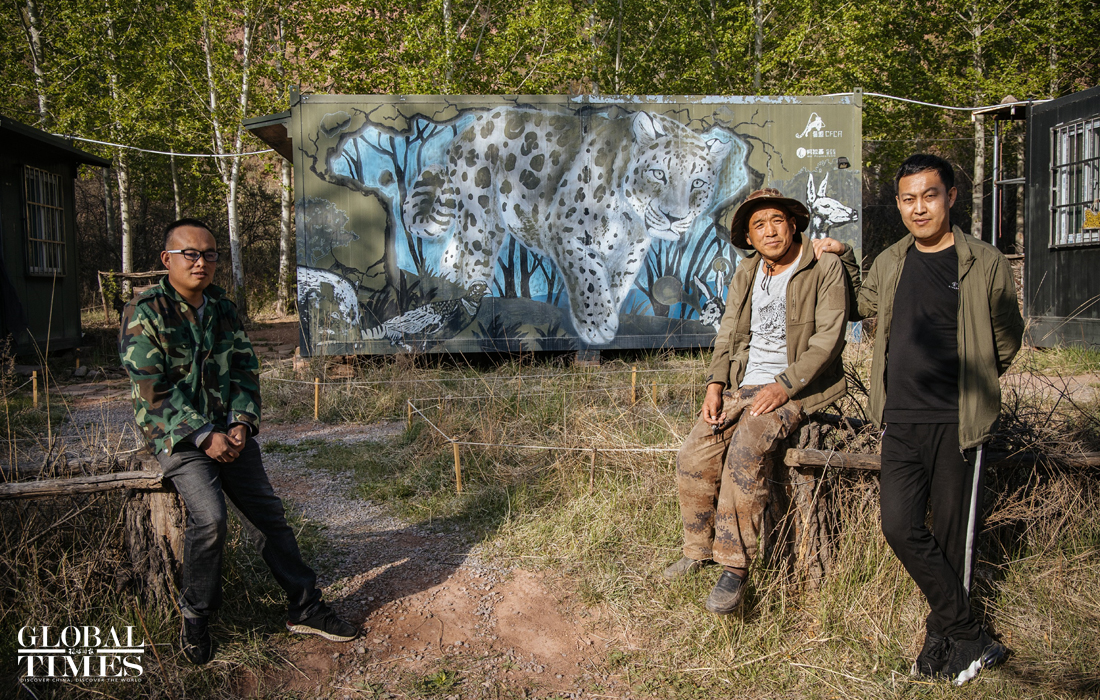
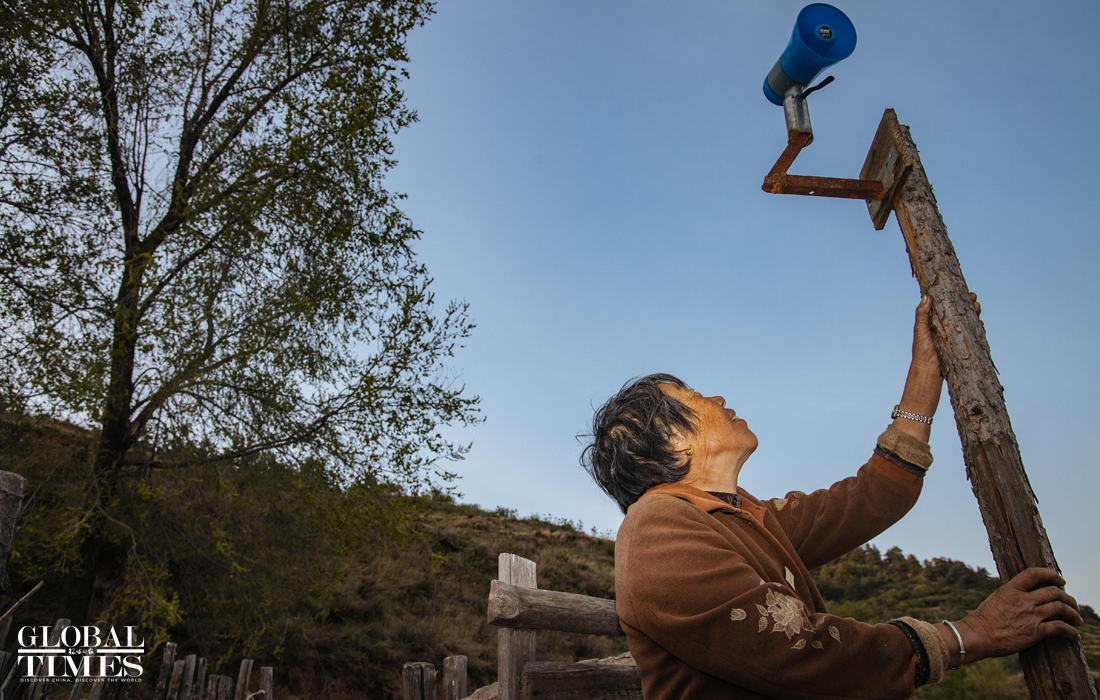
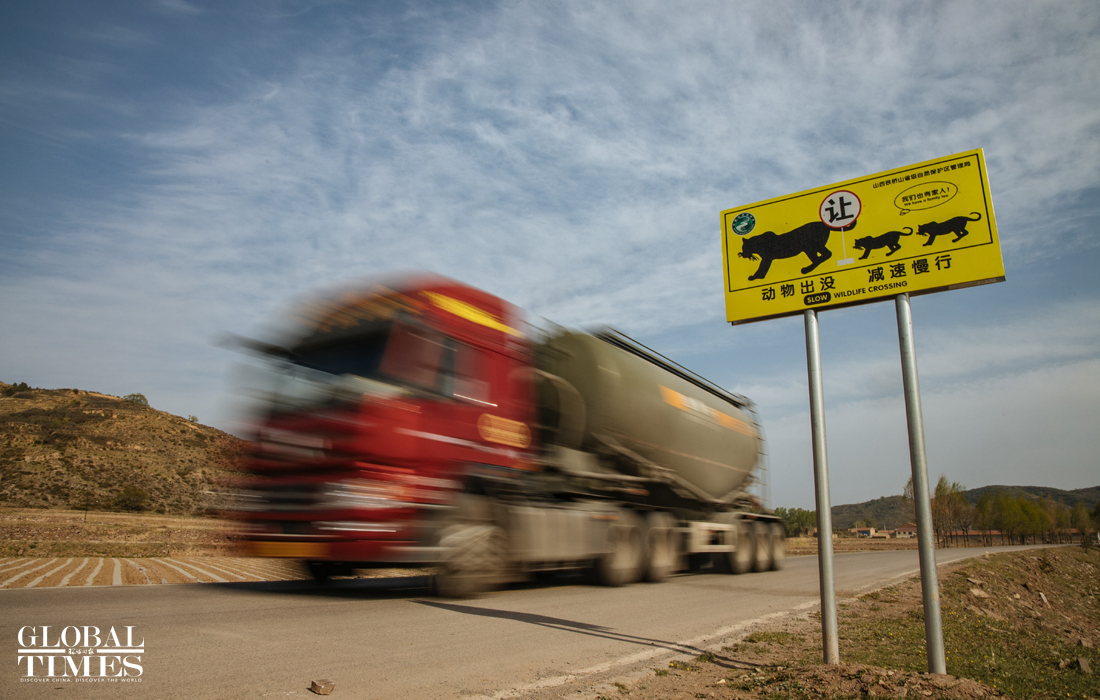
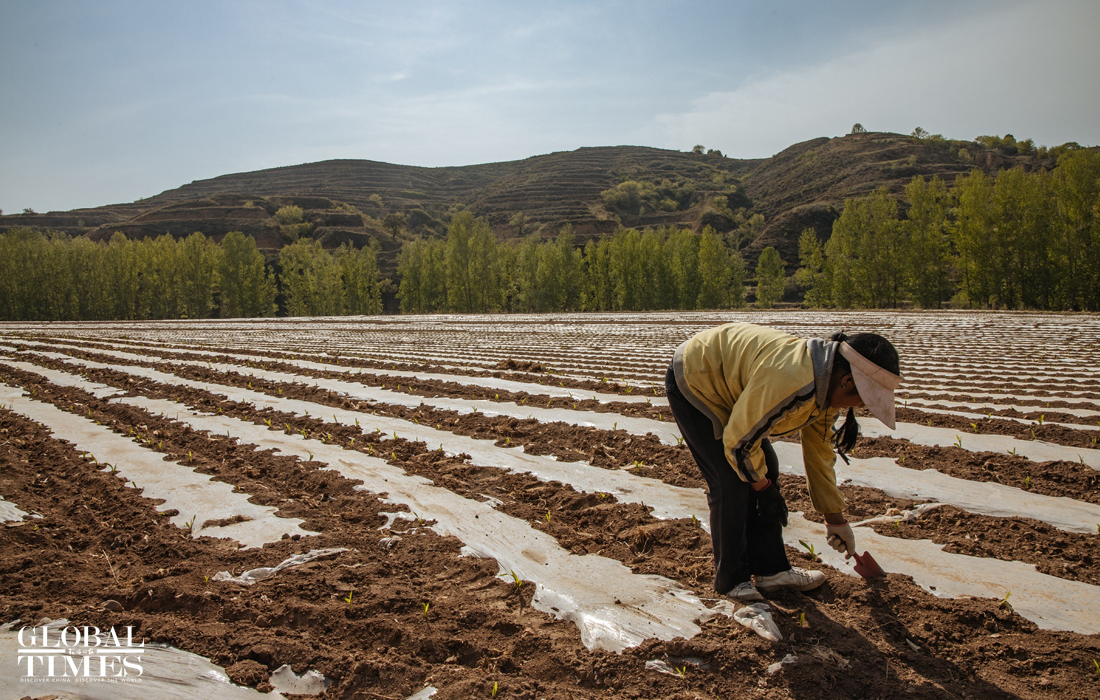
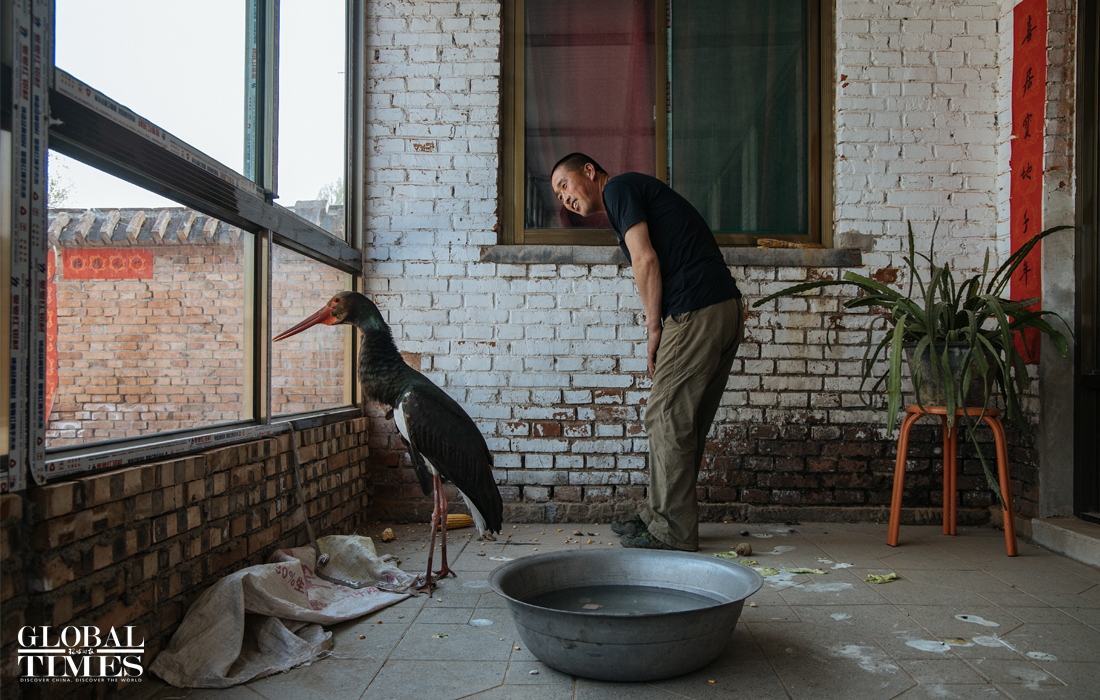
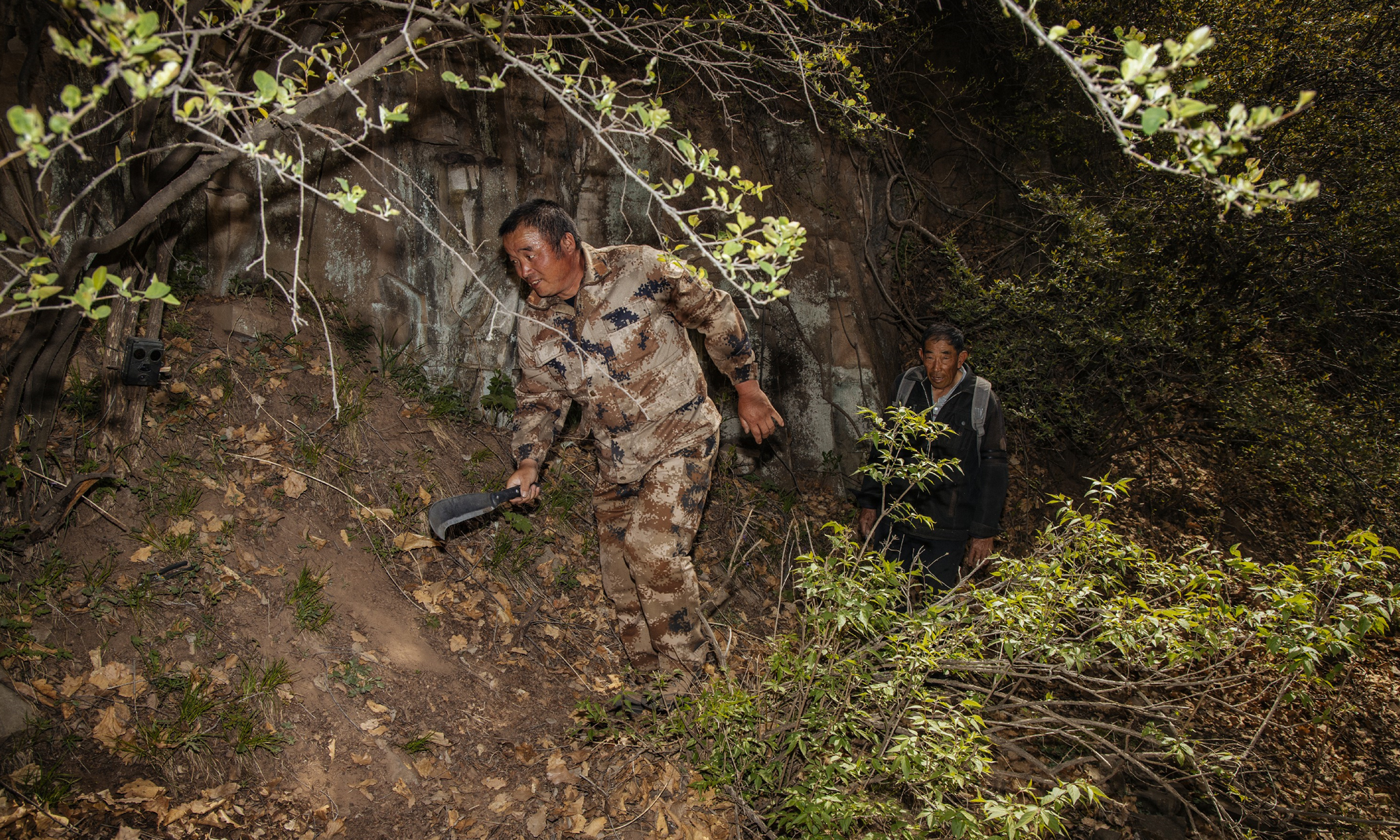
The ‘old leopard team’ is the fruit of the cooperation between the CFCA and the local government. It has hired local villagers as members of the protection team to perform daily patrols and check infrared cameras on the North China leopard protection area on the Taihang Mountains, at Heshun county in Jinzhong city, Shanxi Province. Photos: Li Hao/GT
This is a large carnivore predator at the top of the food chain in the forest ecosystem of North China which has an important impact on the composition, function and sustainability of biodiversity in the region. Carrying out basic ecological research about the North China leopard and its feeding habits has great significance for guiding biodiversity conservation and ecosystem restoration in North China.
Composed of a group of eco-lovers and scientists, the Chinese Felid Conservation Alliance (CFCA), a non-governmental environmental organization dedicated to the protection of the wild leopard in China, has been investigating and protecting wild leopards for many years. In recent years, they have mainly studied and protected the North China leopard and the ecosystem of the Taihang Mountains area.
The ‘old leopard team’ is the fruit of the cooperation between the CFCA and the local government. It has hired local villagers as members of the protection team to perform daily patrols and check infrared cameras on the North China leopard protection area on the Taihang Mountains, at Heshun county in Jinzhong city, Shanxi Province. Photos: Li Hao/GT