China unveils top 10 archaeological discoveries of 2014
By Globaltimes.cn, Published: 2015-04-10 17:40:17
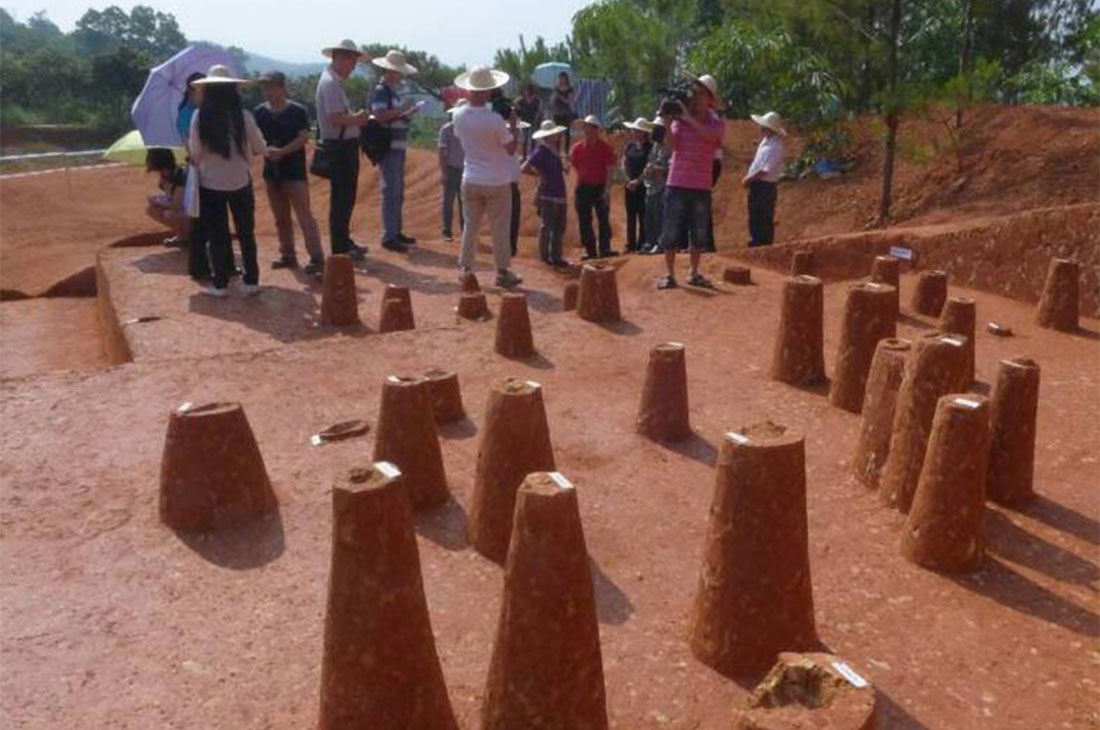
Paleolithic sites of Modaoshan, Yunan county and Nanjiang area, Guangdong Province
The sites yielded nearly 400 pieces of hand-shaped stoneware unearthed between April and August 2014. This discovery suggests that human activity in this area dates back several hundreds of thousand of years, rather than the 130 thousand years previously believed. Photo: ycwb.com
Editor's Note:
China's top 10 archaeological discoveries of 2014 were unveiled in Beijing on April 9. The 10 significant discoveries were selected from 25 nominations in an annual competition hosted by the State Administration of Cultural Heritage.
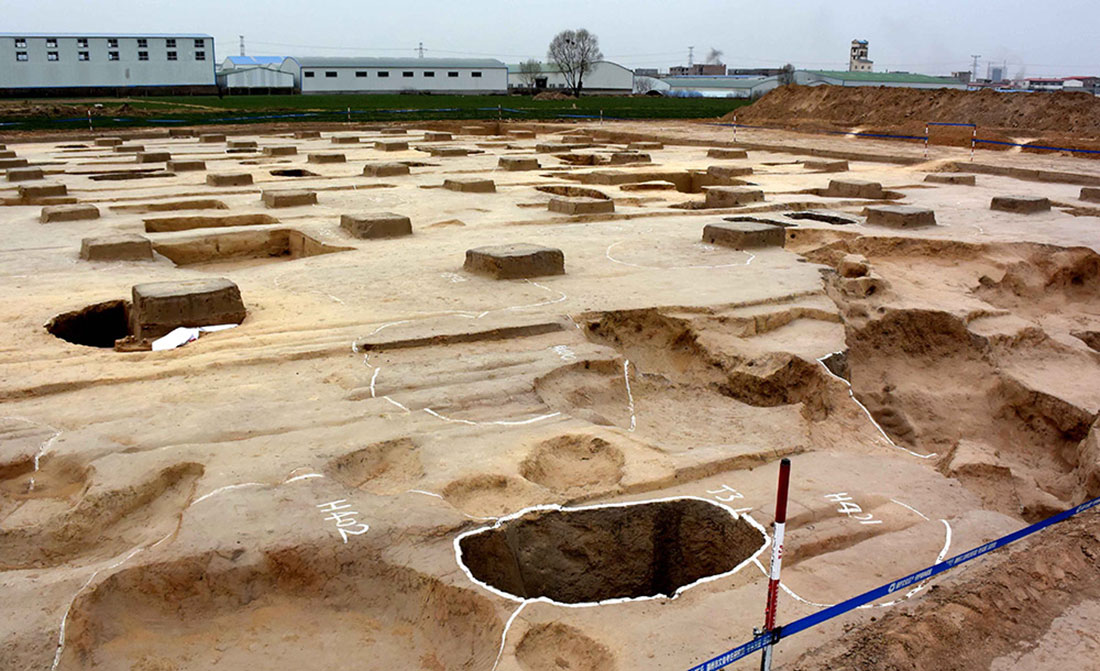 Dongzhao relics, Zhengzhou, Henan Province
Dongzhao relics are the cultural remains of the Longshan Culture, which stretched from 2,600BC, to the Eastern Zhou Dynasty (770BC-256BC), according to Lei Xingshan with the School of Archaeology and Museology at Peking University on April 8, 2015. Photo: Xinhua
Dongzhao relics, Zhengzhou, Henan Province
Dongzhao relics are the cultural remains of the Longshan Culture, which stretched from 2,600BC, to the Eastern Zhou Dynasty (770BC-256BC), according to Lei Xingshan with the School of Archaeology and Museology at Peking University on April 8, 2015. Photo: Xinhua
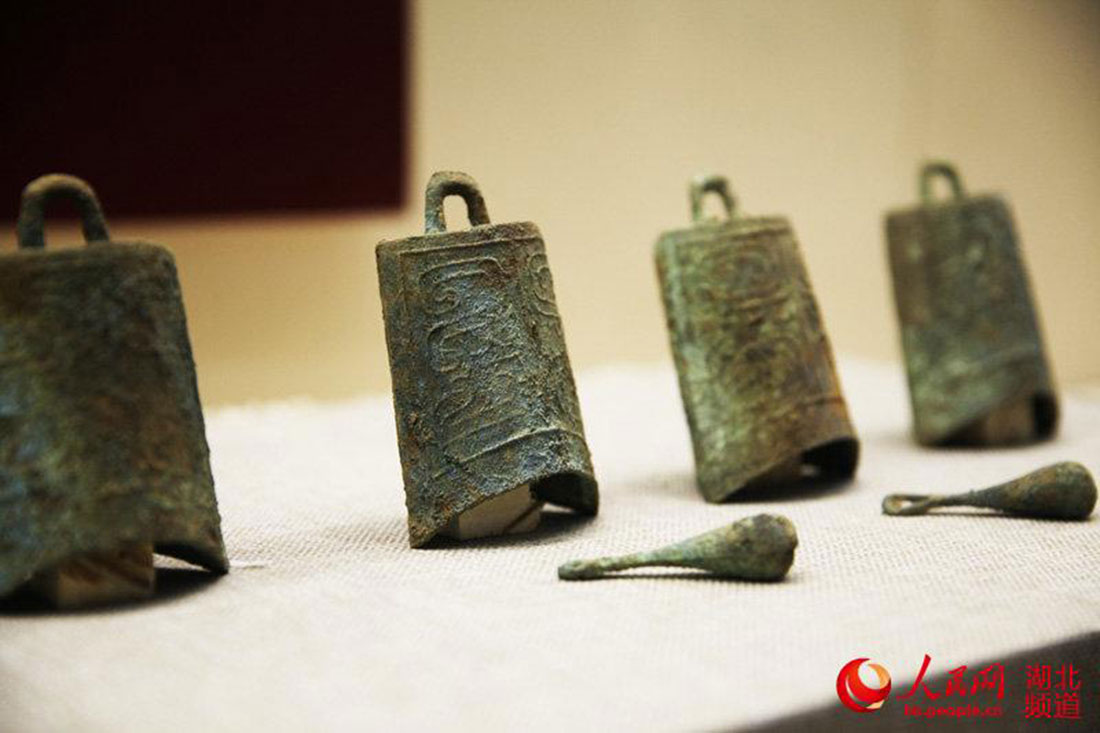 The Zeng Principality cemetery, Guojiamiao, Zaoyang, Hubei Province
Archaeologists cleared 29 graves, one chariot pit, two horse pits, and one chariot and horse pit. The finds date from the late Western Zhou Dynasty (1046-771BC) to the early Spring and Autumn Period (770BC-476BC). Nearly 1,000 pieces and sets of relics were also discovered at the site, among which included the biggest horse and chariot pits found at the Zeng Principality to date. Photo: people.com.cn
The Zeng Principality cemetery, Guojiamiao, Zaoyang, Hubei Province
Archaeologists cleared 29 graves, one chariot pit, two horse pits, and one chariot and horse pit. The finds date from the late Western Zhou Dynasty (1046-771BC) to the early Spring and Autumn Period (770BC-476BC). Nearly 1,000 pieces and sets of relics were also discovered at the site, among which included the biggest horse and chariot pits found at the Zeng Principality to date. Photo: people.com.cn 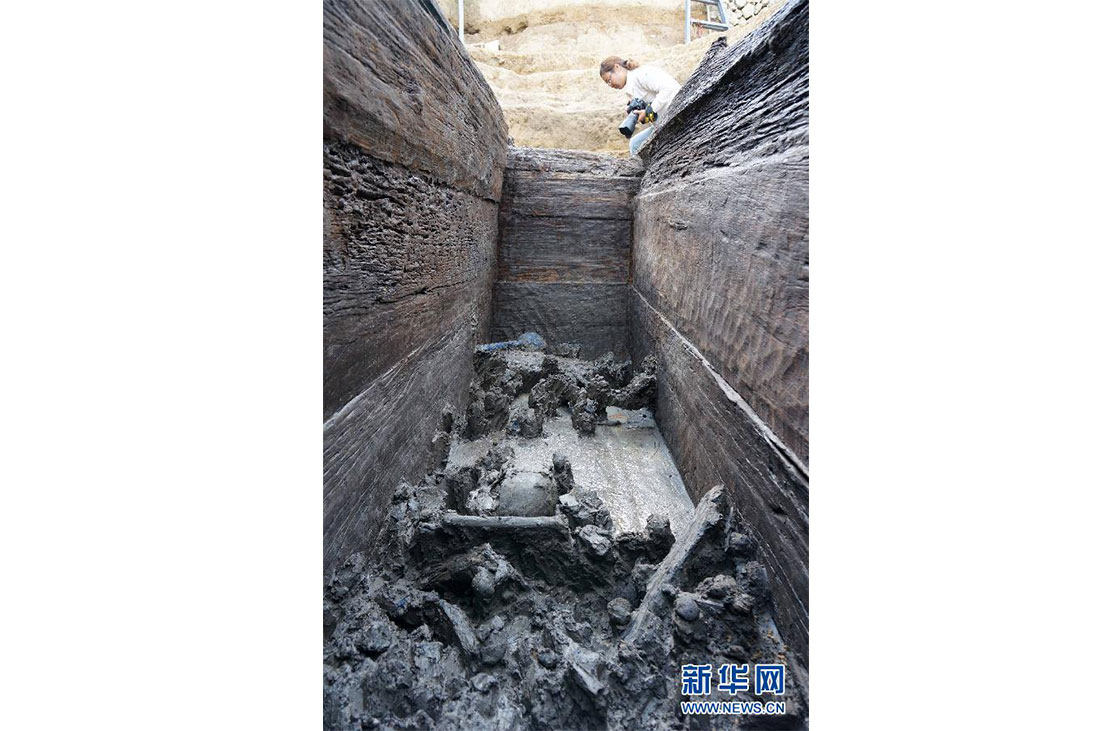 Yunnan Dabona Ancient Tombs Site
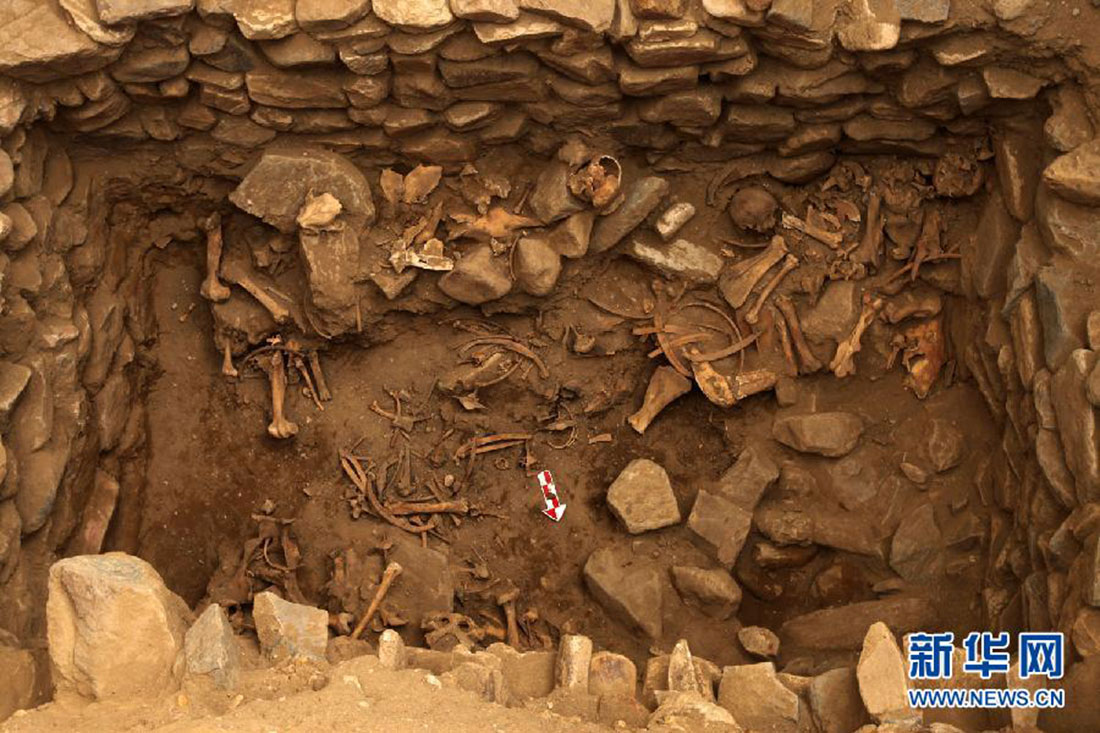
Bones and objects in an ancient tomb unearthed at the Dabona Ancient Tombs Site in Xiangyun county of Yunnan Province. The discovery of some 290 artifacts extracted from a total 25 tombs provides valuable insight into the cultures living in Yunnan Province between the Warring States period (475BC-221BC) and Han Dynasty (206BC-AD220). Photo: Xinhua
Yunnan Dabona Ancient Tombs Site
Bones and objects in an ancient tomb unearthed at the Dabona Ancient Tombs Site in Xiangyun county of Yunnan Province. The discovery of some 290 artifacts extracted from a total 25 tombs provides valuable insight into the cultures living in Yunnan Province between the Warring States period (475BC-221BC) and Han Dynasty (206BC-AD220). Photo: Xinhua
 Zhejiang Jinshan Mountain Yue Kiln Site
Pieces of celadon wares unearthed at the Jinshan Mountain Yue Kiln Site in Shaoxing's Shangyu, Zhejiang Province, that date back as early as the Eastern Han Dynasty (25-220). The 800-square meter site yielded a large number of celadon pieces exhibiting advanced craftsmanship. Photo: Xinhua
Zhejiang Jinshan Mountain Yue Kiln Site
Pieces of celadon wares unearthed at the Jinshan Mountain Yue Kiln Site in Shaoxing's Shangyu, Zhejiang Province, that date back as early as the Eastern Han Dynasty (25-220). The 800-square meter site yielded a large number of celadon pieces exhibiting advanced craftsmanship. Photo: Xinhua
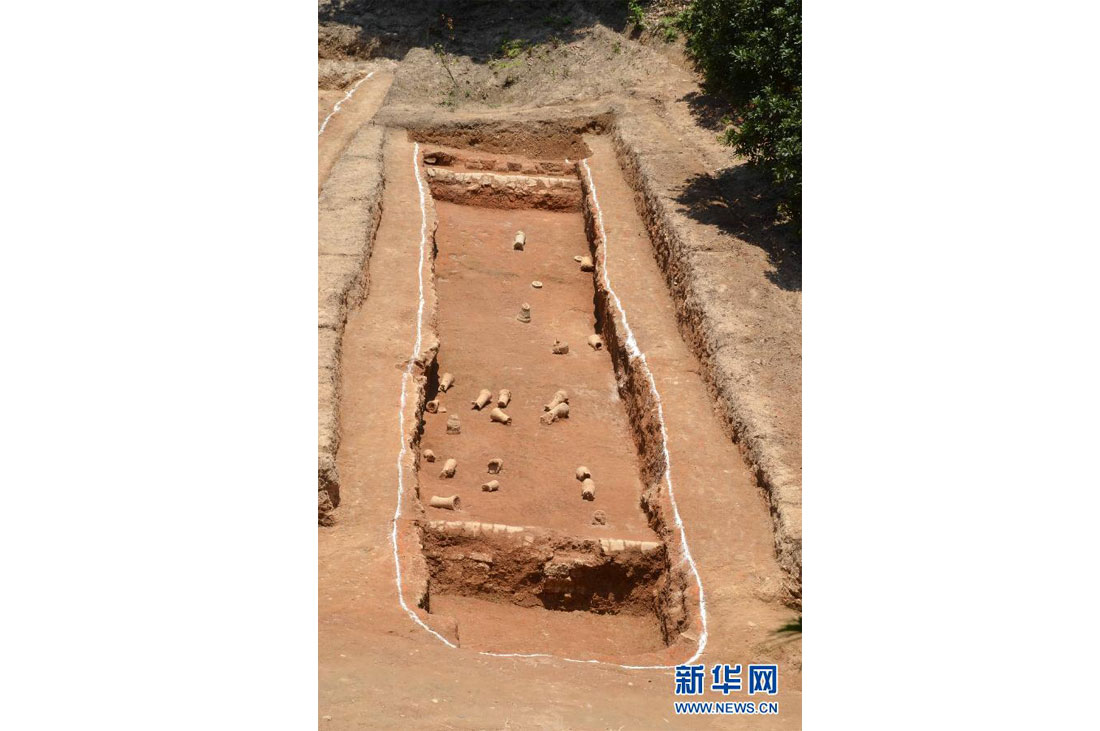
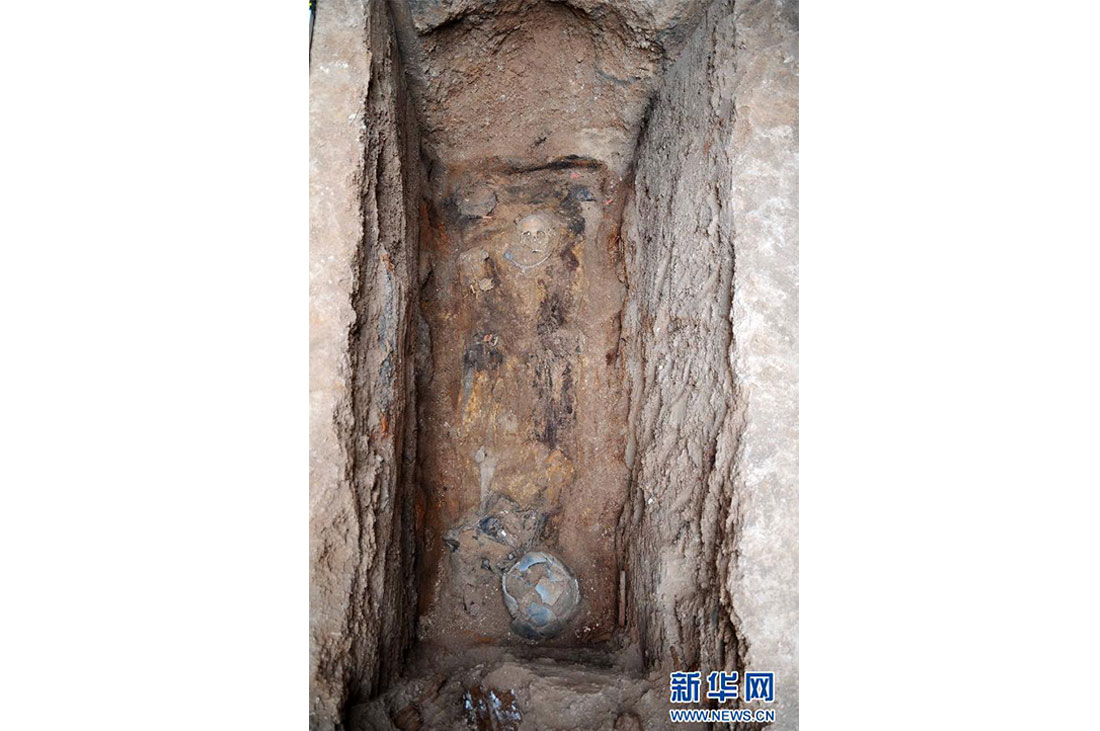
 Zhang Zhung Kingdoms Tombs, Ngari region, Tibet Autonomous Region
The two tombs, believed to have been created 1,800 years ago, are located close together. Both are deep and contained the same style of wooden coffin and pottery. Found items such as cupreous mirrors and wooden combs suggest these people had made contact with cultures as far as China’s Xinjiang, Central Asian nations and India. Photo: Xinhua
Zhang Zhung Kingdoms Tombs, Ngari region, Tibet Autonomous Region
The two tombs, believed to have been created 1,800 years ago, are located close together. Both are deep and contained the same style of wooden coffin and pottery. Found items such as cupreous mirrors and wooden combs suggest these people had made contact with cultures as far as China’s Xinjiang, Central Asian nations and India. Photo: Xinhua
 Tomb cluster in Xilin Gol League, Inner Mongolia Autonomous Region
The tomb cluster includes two tombs dating from the Northern Wei Dynasty (386–534) and one from the Liao Dynasty (916–1125). Photo: Xinhua
Tomb cluster in Xilin Gol League, Inner Mongolia Autonomous Region
The tomb cluster includes two tombs dating from the Northern Wei Dynasty (386–534) and one from the Liao Dynasty (916–1125). Photo: Xinhua
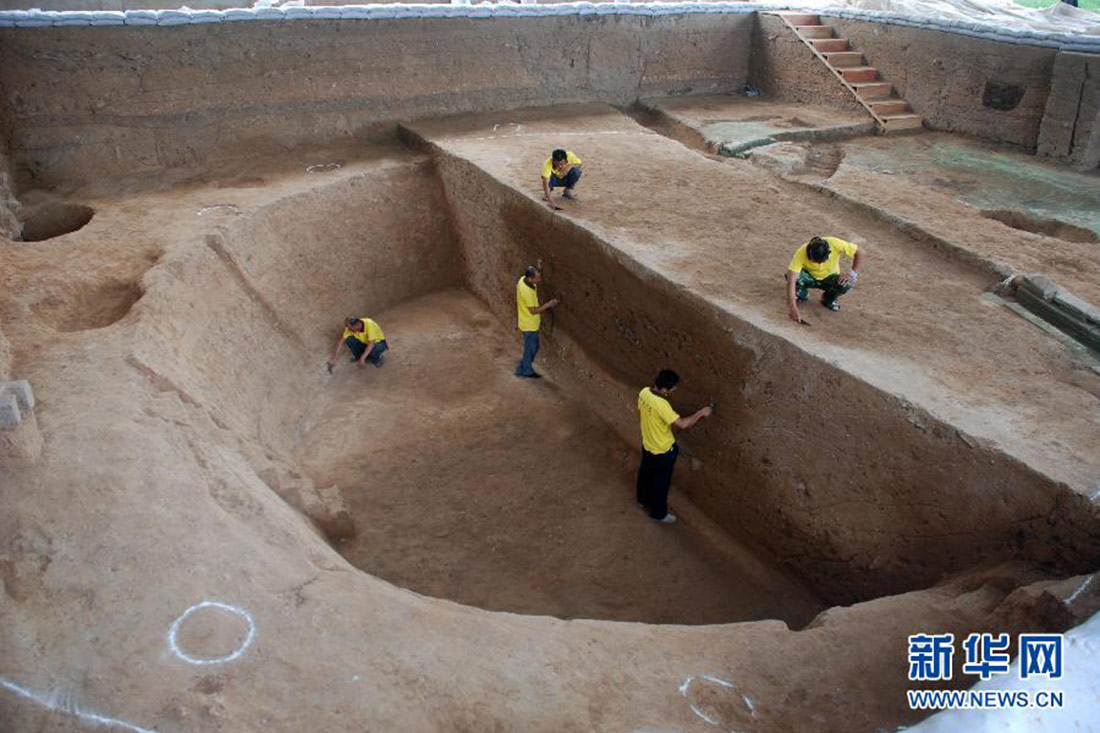 Huiluo and Liyang granaries of the Sui Dynasty (581–618), Henan Province
The sites are an example of the advanced food storage technologies used in China’s official granaries. Photo: Xinhua
Huiluo and Liyang granaries of the Sui Dynasty (581–618), Henan Province
The sites are an example of the advanced food storage technologies used in China’s official granaries. Photo: Xinhua
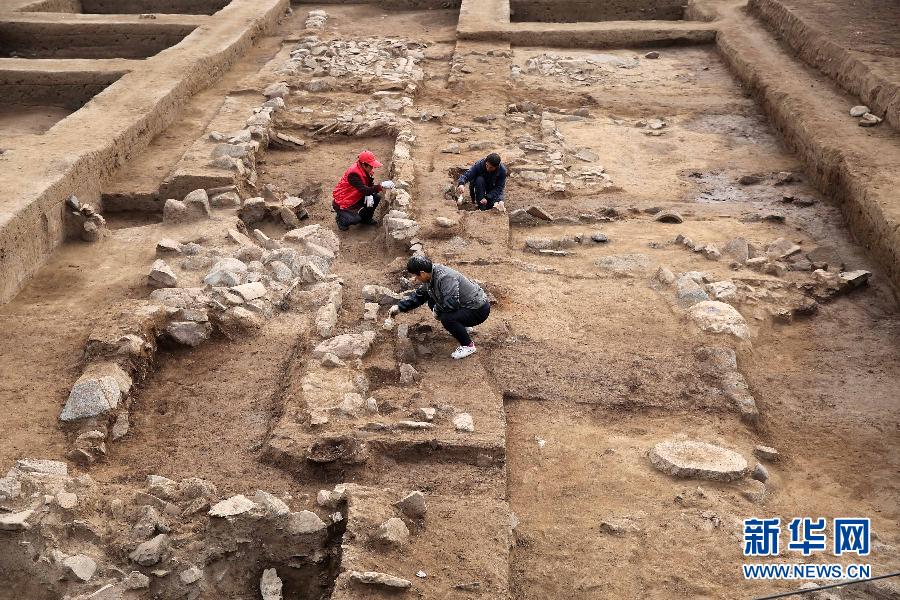 Mining and metallurgy site of the Liao Dynasty (916–1125), Dazhuangke village, Yanqing, Beijing
The site, which contains the most discovered examples of Liao smelting furnaces, was also where the craftsmen lived. Photo: Xinhua
Mining and metallurgy site of the Liao Dynasty (916–1125), Dazhuangke village, Yanqing, Beijing
The site, which contains the most discovered examples of Liao smelting furnaces, was also where the craftsmen lived. Photo: Xinhua
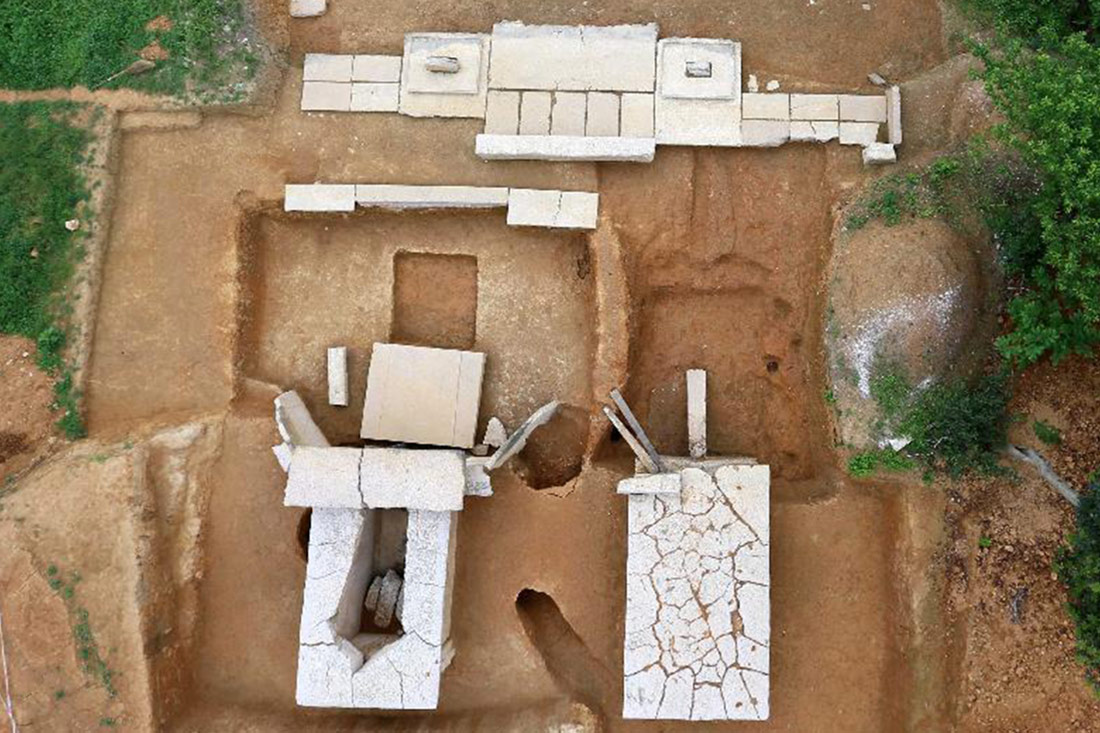 Tomb of a Chieftain’s family surnamed Yang, Zunyi, Guizhou Province
The tombs, built from the Song Dynasty (960–1279) to the Ming Dynasty (1368–1644) were discovered to contain many gold and silver burial artifacts. Photo: Xinhua
Tomb of a Chieftain’s family surnamed Yang, Zunyi, Guizhou Province
The tombs, built from the Song Dynasty (960–1279) to the Ming Dynasty (1368–1644) were discovered to contain many gold and silver burial artifacts. Photo: Xinhua