METRO SHANGHAI / METRO SHANGHAI
Clothing swaps and apparel parties are changing Shanghai’s traditional outlook on fashion
Fashion Revolution
The 13-in-31 fashion movement, in collaboration with not-for-profit environmental organization Green Initiatives recently held a clothing swap party in downtown Shanghai.
Clothing swaps are not a new concept to Shanghai, as the first such "apparel party" was held in Shanghai as early as 2010. However, this year's event was a conscious attempt by the organizers to use clothing swaps as means of communicating more complex ideas about sustainability, responsible fashion, environmental issues and social awareness.
Fashion Revolution Week takes place annually on April 24 to 30. The roots of the Fashion Revolution movement date back to April 2013, when a garment factory in Dhaka, Bangladesh, collapsed, killing 1,129 workers inside. The lack of social responsibility by factory owners, multinational clothing brands and fast-fashion retailers in developing countries sparked an international outrage.
Making matters worse, the global clothing industry remains the world's second largest industrial polluter, next only to big oil. Calls for sustainable consumption resulted in the Fashion Revolution movement being conceived with a vision to unite supply chains, from farmers to consumers, under a banner of greater transparency, ethics and production responsibility.
Participants of the Fashion Revolution movement wear their clothes inside out, uploading selfies to social media with a question to the producers: "Who made my clothes?" This, they hope, will force the fast-fashion industry to confront their socially irresponsible practices, their disrespect to human dignity of its workers and their environmental polluting track record.
Attendees of the swap meet noted its sense of community, with many different people from polarized backgrounds - fancy fashionistas and environmental geeks, Chinese and foreigners, seniors and students - debating the concepts of environmental awareness, consumerism and the wage structure of fashion industry workers.

A petty demonstration of morals?
Silke, an attendee from Germany, told the Global Times that she has grown tired of her wardrobe and has decided to stop her old resource-wasting clothing habits. "It is good that some people in China are doing this, and considering the Chinese consumption volume, it is here where the most impact can be made," she said.
Peter from China initially viewed such clothing swaps as a simple exchange of secondhand clothes suitable for university students. However, after visiting the event, he said he gained more insight about the environmental and social impact of the fashion industry.
"To some extent, environment-friendly models like clothing swaps might actually replace the traditional way of buying clothes," he said.
Tom from the Netherlands praised the organizers for "allowing us to acquire some new clothes, give our clothes we don't wear a new life and also promote the ideas of sharing." He also pointed out serious sustainability issues resulting from the golden age of Chinese e-commerce.
"People are getting used to buying cheap clothes from Taobao or JD, many of which were produced in environmentally unfriendly ways," he said.
Other visitors voiced concerns about the future of sustainable fashion initiatives. Zhihua from China noted that the movement "is in danger of falling into the trap of commercialization" and that a genuine concern for the well-being of the community should not be replaced by the trendy "I care" brand, which she feels is a petty demonstration of the moral high ground.
While the UK's fashion revolution advocates make their case before Parliament, China has yet to participate in such a global movement. As such, the question remains: can "conscious fashion" really revolutionize Chinese consumers and their clothing habits?
The article was written by Gomboin Zorikto
Clothing swaps are not a new concept to Shanghai, as the first such "apparel party" was held in Shanghai as early as 2010. However, this year's event was a conscious attempt by the organizers to use clothing swaps as means of communicating more complex ideas about sustainability, responsible fashion, environmental issues and social awareness.
Fashion Revolution Week takes place annually on April 24 to 30. The roots of the Fashion Revolution movement date back to April 2013, when a garment factory in Dhaka, Bangladesh, collapsed, killing 1,129 workers inside. The lack of social responsibility by factory owners, multinational clothing brands and fast-fashion retailers in developing countries sparked an international outrage.
Making matters worse, the global clothing industry remains the world's second largest industrial polluter, next only to big oil. Calls for sustainable consumption resulted in the Fashion Revolution movement being conceived with a vision to unite supply chains, from farmers to consumers, under a banner of greater transparency, ethics and production responsibility.
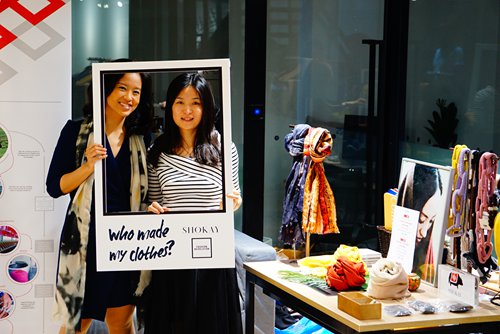
Participants of the Fashion Revolution movement wear their clothes inside out, uploading selfies to social media with a question to the producers: "Who made my clothes?" This, they hope, will force the fast-fashion industry to confront their socially irresponsible practices, their disrespect to human dignity of its workers and their environmental polluting track record.
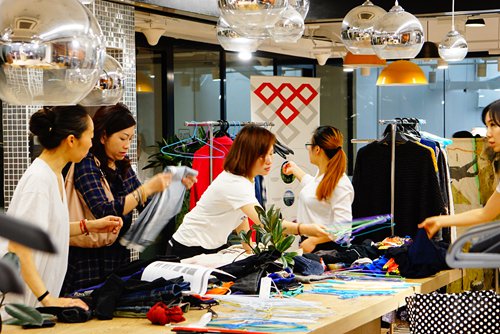
Attendees of the swap meet noted its sense of community, with many different people from polarized backgrounds - fancy fashionistas and environmental geeks, Chinese and foreigners, seniors and students - debating the concepts of environmental awareness, consumerism and the wage structure of fashion industry workers.
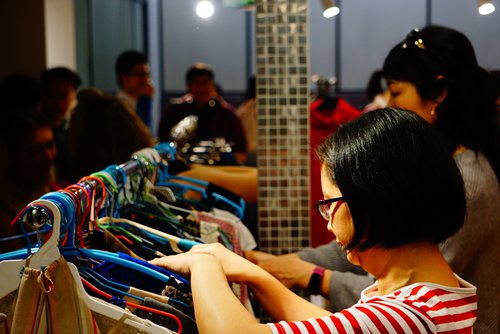
Attendees of the clothing swap party choose their clothes.
A petty demonstration of morals?
Silke, an attendee from Germany, told the Global Times that she has grown tired of her wardrobe and has decided to stop her old resource-wasting clothing habits. "It is good that some people in China are doing this, and considering the Chinese consumption volume, it is here where the most impact can be made," she said.
Peter from China initially viewed such clothing swaps as a simple exchange of secondhand clothes suitable for university students. However, after visiting the event, he said he gained more insight about the environmental and social impact of the fashion industry.
"To some extent, environment-friendly models like clothing swaps might actually replace the traditional way of buying clothes," he said.
Tom from the Netherlands praised the organizers for "allowing us to acquire some new clothes, give our clothes we don't wear a new life and also promote the ideas of sharing." He also pointed out serious sustainability issues resulting from the golden age of Chinese e-commerce.
"People are getting used to buying cheap clothes from Taobao or JD, many of which were produced in environmentally unfriendly ways," he said.
Other visitors voiced concerns about the future of sustainable fashion initiatives. Zhihua from China noted that the movement "is in danger of falling into the trap of commercialization" and that a genuine concern for the well-being of the community should not be replaced by the trendy "I care" brand, which she feels is a petty demonstration of the moral high ground.
While the UK's fashion revolution advocates make their case before Parliament, China has yet to participate in such a global movement. As such, the question remains: can "conscious fashion" really revolutionize Chinese consumers and their clothing habits?
The article was written by Gomboin Zorikto
Attendees of the clothing swap party choose their clothes.
Attendees of the clothing swap party choose their clothes.
Participants pose for the event. Photos: Courtesy of the organizers
