METRO SHANGHAI / CITY PANORAMA
Shanghai boasts good environment to attract talents: experts
Excellent global city
Building Shanghai into an excellent global city has been a hot topic recently throughout the city. The 11th Symposium on Shanghai Development in the 21st Century jointly held by the Shanghai Chinese Overseas Friendship Association, Shanghai Overseas Returned Scholars Association (SORSA) and Shanghai Youth Intellectuals Friendship Association on May 24 and 25 gathered more than 200 world leading scholars and experts to share their opinions and ideas on this topic.
The master plan
Earlier in January, the Shanghai government officially released its Master Plan after it received the central government's approval, aiming to build Shanghai into an excellent global city and a socialist cosmopolis, according to a January report by the Global Times.
The plan covers various aspects of urban development including intellectual cultivation, public service, innovation, regional linkage, ecological environment as well as cultural development.
Talents are one of the major engines of a city's development, bringing innovative ideas and making creative and actual changes. Shanghai has been issuing a series of policies to attract both domestic and overseas talents to make contribution to its drive in building an excellent global city.
For instance, people.cn reported that the city published an action plan in March to attract talents from all over the world. Aiming to attract more talents, it vowed to reform the talent policy, build up an international talent recruiting mechanism, forge a career development platform with international competence and implement an international system in talent management in the city.
According to the same news report, 81,000 working license of overseas talents had been handled in 2017, ranking first in China. Currently, Shanghai boasts about 215,000 overseas talents, covering 23.7 percent of China.
Shanghai also ranked first among the most attractive Chinese cities for overseas talents for the sixth time in 2017, according to an April report by chinanews.cn.
Otthein Herzog, academician of German Academy of Science and Engineering, told the Global Times that introducing overseas talent is a general trend. "People from abroad can contribute in an interdisciplinary way I think, which is very important to the progress of Shanghai," he said.
Herzog is also distinguished professor with China Intelligent Urbanization Co-creation Center for High Density Region of Shanghai's Tongji University. "Everybody brings with him/her a lot of knowledge and experience. I, as an international expert, I am bringing artificial intelligence methods to urban planning, for Shanghai and Yangtze River Delta for instance," he said.
Lu Jianfei, executive vice president of SORSA, told the Global Times during the event that more and more overseas Chinese scholars have chosen to come back to China in recent years.
"Shanghai is a good choice for overseas returned scholars because it is open and diverse, it boasts a sound legislative system, nice ecological environment and rich humanity resources," he said, adding that Shanghai is making progress in talent introducing in many aspects such as housing, career development, innovation and incubation.
He thinks that both foreign talents and overseas returned Chinese scholars can bring to China an advanced and global concept, knowledge, skills as well as possibilities on the institutional reform.
Lu believes Shanghai needs to do more in introducing new talent. "On the one hand, Shanghai needs to open up more to attract overseas talents, on the other hand, it needs to encourage domestic talents and improve their treatment," he said. "A friendly city is a city that lets its people feel emotionally attached."
The Shanghai civilization
Shanghai implemented a three-year action plan about one month ago, kicking off its "four brands" cause, which is considered an effort to build an excellent global city. Policies, activities, and event have been rolling out successively throughout the city to forge the Shanghai Manufacturing, Shanghai Service, Shanghai Culture, and Shanghai Shopping.
A window connecting China and the world, Shanghai has forged a culture with unique features. Therefore, the development of a Shanghai Culture brand has its own traditional advantages.
Wang Zhan, president of Shanghai Federation of Social Science Association, said in speech that Shanghai is featured by the traditional Chinese Jiangnan culture, Haipai culture and revolutionary culture which endows the city with different influences in different times.
Civilization reflects excellence. Wang thinks that, besides a global excellent city, Shanghai should also build itself into a global civilized city which boasts information civilization, ecological civilization, city management civilization and culture integration capability.
The regional cooperation accumulates strengths of different cities, leads to better resource allocation and produce stronger growth. A metropolis of economy, finance, technological innovation and culture, Shanghai is a core city in the region. The coordinated development among the Yangtze River Delta is also an important factor for Shanghai to develop in a global context.
In March, Shanghai, Jiangsu, Zhejiang and Anhui provinces jointly kicked off the regional cooperation office of Yangtze River Delta in Shanghai which is considered an escalation in regional cooperation among the region.
Ma Chunlei, deputy secretary-general of Shanghai Municipality and director of Shanghai Municipal Development and Reform Commission said at the event that the four parties are working on a three-year action plan on Yangtze River Delta integration, which will cover more than 30 cooperation contents in seven major fields including transportation, energy, industry, information, environment, public service and open market.
"To strive for excellence, we must go toward regional integration," Wu Zhiqiang, academician of Chinese Academy of Engineering, said at a speech.
Wu thinks that problems, both economic and environmental, are happening among a group, instead of in a single city, and the smart city also belongs to a group concept.
"It is impossible that one city wants to be smart when the others around it are not," he said.
Wu believes that a true global city, when it takes in resources like talents, technologies, innovations and markets, it also needs to give out something, which is a stable and normal life status that can only be supported by an integrated region.
The master plan
Earlier in January, the Shanghai government officially released its Master Plan after it received the central government's approval, aiming to build Shanghai into an excellent global city and a socialist cosmopolis, according to a January report by the Global Times.
The plan covers various aspects of urban development including intellectual cultivation, public service, innovation, regional linkage, ecological environment as well as cultural development.
Talents are one of the major engines of a city's development, bringing innovative ideas and making creative and actual changes. Shanghai has been issuing a series of policies to attract both domestic and overseas talents to make contribution to its drive in building an excellent global city.
For instance, people.cn reported that the city published an action plan in March to attract talents from all over the world. Aiming to attract more talents, it vowed to reform the talent policy, build up an international talent recruiting mechanism, forge a career development platform with international competence and implement an international system in talent management in the city.
According to the same news report, 81,000 working license of overseas talents had been handled in 2017, ranking first in China. Currently, Shanghai boasts about 215,000 overseas talents, covering 23.7 percent of China.
Shanghai also ranked first among the most attractive Chinese cities for overseas talents for the sixth time in 2017, according to an April report by chinanews.cn.
Otthein Herzog, academician of German Academy of Science and Engineering, told the Global Times that introducing overseas talent is a general trend. "People from abroad can contribute in an interdisciplinary way I think, which is very important to the progress of Shanghai," he said.
Herzog is also distinguished professor with China Intelligent Urbanization Co-creation Center for High Density Region of Shanghai's Tongji University. "Everybody brings with him/her a lot of knowledge and experience. I, as an international expert, I am bringing artificial intelligence methods to urban planning, for Shanghai and Yangtze River Delta for instance," he said.
Lu Jianfei, executive vice president of SORSA, told the Global Times during the event that more and more overseas Chinese scholars have chosen to come back to China in recent years.
"Shanghai is a good choice for overseas returned scholars because it is open and diverse, it boasts a sound legislative system, nice ecological environment and rich humanity resources," he said, adding that Shanghai is making progress in talent introducing in many aspects such as housing, career development, innovation and incubation.
He thinks that both foreign talents and overseas returned Chinese scholars can bring to China an advanced and global concept, knowledge, skills as well as possibilities on the institutional reform.
Lu believes Shanghai needs to do more in introducing new talent. "On the one hand, Shanghai needs to open up more to attract overseas talents, on the other hand, it needs to encourage domestic talents and improve their treatment," he said. "A friendly city is a city that lets its people feel emotionally attached."
The Shanghai civilization
Shanghai implemented a three-year action plan about one month ago, kicking off its "four brands" cause, which is considered an effort to build an excellent global city. Policies, activities, and event have been rolling out successively throughout the city to forge the Shanghai Manufacturing, Shanghai Service, Shanghai Culture, and Shanghai Shopping.
A window connecting China and the world, Shanghai has forged a culture with unique features. Therefore, the development of a Shanghai Culture brand has its own traditional advantages.
Wang Zhan, president of Shanghai Federation of Social Science Association, said in speech that Shanghai is featured by the traditional Chinese Jiangnan culture, Haipai culture and revolutionary culture which endows the city with different influences in different times.
Civilization reflects excellence. Wang thinks that, besides a global excellent city, Shanghai should also build itself into a global civilized city which boasts information civilization, ecological civilization, city management civilization and culture integration capability.
The regional cooperation accumulates strengths of different cities, leads to better resource allocation and produce stronger growth. A metropolis of economy, finance, technological innovation and culture, Shanghai is a core city in the region. The coordinated development among the Yangtze River Delta is also an important factor for Shanghai to develop in a global context.
In March, Shanghai, Jiangsu, Zhejiang and Anhui provinces jointly kicked off the regional cooperation office of Yangtze River Delta in Shanghai which is considered an escalation in regional cooperation among the region.
Ma Chunlei, deputy secretary-general of Shanghai Municipality and director of Shanghai Municipal Development and Reform Commission said at the event that the four parties are working on a three-year action plan on Yangtze River Delta integration, which will cover more than 30 cooperation contents in seven major fields including transportation, energy, industry, information, environment, public service and open market.
"To strive for excellence, we must go toward regional integration," Wu Zhiqiang, academician of Chinese Academy of Engineering, said at a speech.
Wu thinks that problems, both economic and environmental, are happening among a group, instead of in a single city, and the smart city also belongs to a group concept.
"It is impossible that one city wants to be smart when the others around it are not," he said.
Wu believes that a true global city, when it takes in resources like talents, technologies, innovations and markets, it also needs to give out something, which is a stable and normal life status that can only be supported by an integrated region.
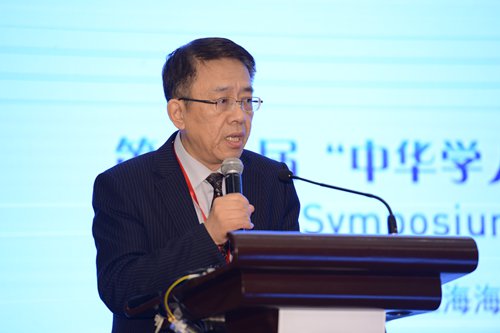
Wu Zhiqiang Photo: Courtesy of SORSA
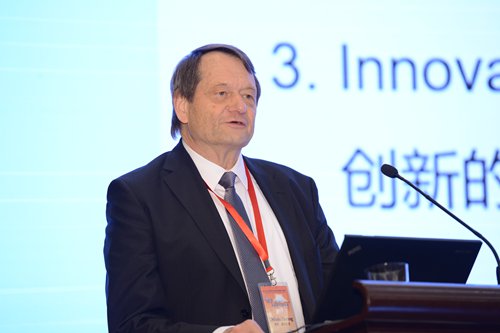
Otthein Herzog Photo: Courtesy of SORSA
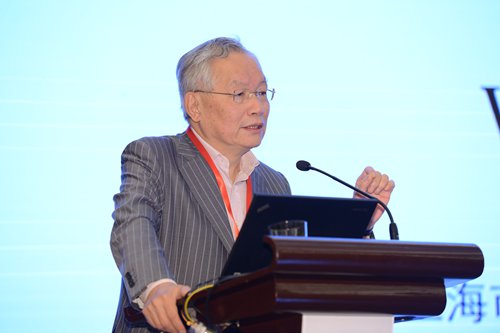
Wang Zhan Photo: Courtesy of SORSA
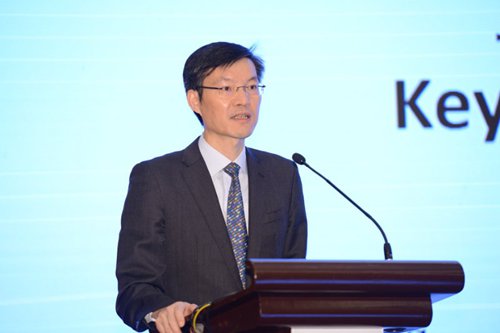
Ma Chunlei Photo: Courtesy of SORSA
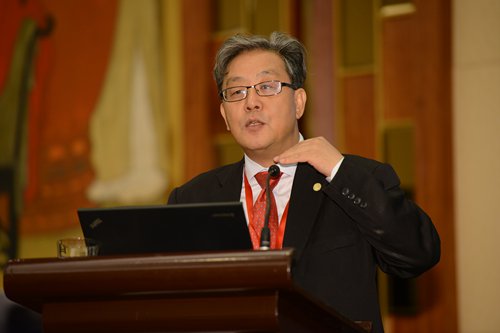
Lu Jianfei Photo: Courtesy of SORSA
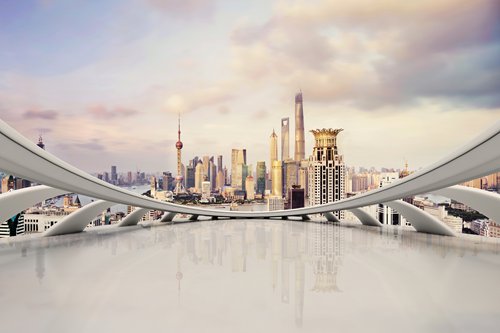
Photo: VCG
