METRO SHANGHAI / PULSE
Private collection of hundreds of old dresses donated to Shanghai History Museum
Of qipao and cheongsam
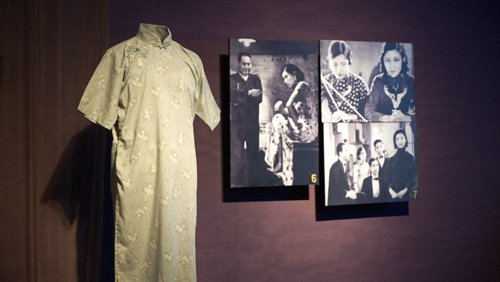
A qipao and stage photos of films performed by Ruan Lingyu wearing qipao Photos: Xiang Jun/GT
A fashionable dress for women, qipao used to be a daily garment for Chinese women between the 1920s and 1940s. The tight, form-fitting dress, also known as cheongsam, has since become an iconic symbol of Shanghai and is still popular today because of the elegance it presents and the sophistication it suggests.
An exhibition of 72 Shanghai-style qipao is presently being exhibited at the Shanghai History Museum, presenting the history, development, and culture of the garment. Shanghai-style qipao originated in the 1920s and became a popular fashion trend over the following two decades.
The exhibition displays some qipao made by major department stores of Shanghai such as the Wing On company, the Sun Sun company and the Sincere company between the 1920s and 1940s. According to Zhang Xia, curator of the exhibition, there were many department stores in Shanghai that carried the hot product.
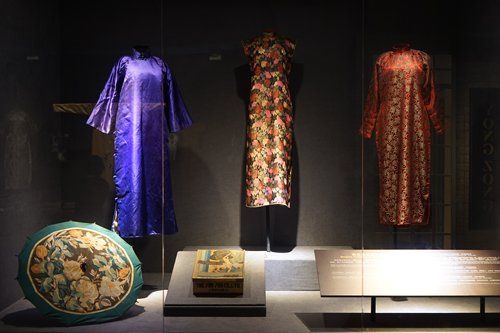
Three pieces of qipao in different styles, a parasol and a cloth package from department stores
The exhibition also highlights Yungzong, a company founded in 1927 by several famous Chinese cultural figures and celebrities including Xu Zhimo and his wife Lu Xiaoman. Yungzong was the forefather to today's shops run by influential Chinese celebrities. The company also held fashion shows, which was seen as the first-generation fashion show of China. Most of the models were wearing qipao.
Yungzong was not only a fashion company but also a cultural salon among writers, poets, scholars, artists and celebrities. Famous artists were employed to design dresses for the company. Although it didn't last very long, it showcased the popularity of qipao and the aesthetic tastes of Chinese literati.
Influenced by the West
Some early incarnations of the qipao were wide and loose. Zhang said that qipao became more fitted to body in later years. During 1930s and 1940s, qipao was a hot media topic. Some magazines and newspapers often published qipao-related news and fashion gossip.
Qipao in the 1930s became relatively longer than those from the 1920s. According to Zhang, fashion magazines in Shanghai also published some debates on the length of women's dresses in Europe, which meant that Shanghai was keeping pace with the European fashion field.
As Eastern and Western civilization merged together in Shanghai, qipao became heavily influenced by western fashion in many aspects, including patterns, fabrics, dyes and manufacturing skills. Some qipao were embroidered with zigzag fringes, which was from the West and very popular among Chinese women during that time, Zhang said.
Paisley patterns used in many qipao, known in Shanghai as the "ham pattern," was also imported from the West. A pink qipao featured at the exhibition was embroidered with fringes made by lace, also from Europe.
The exhibition features pictures of famous Chinese female celebrities including Hu Die and Ruan Lingyu wearing qipao in trendy styles. Zhang explained that Ruan was a fan of the qipao and took a lot of photos of herself wearing such garments, a precursor to the modern-day selfie.
Liberated womanhood
The development of qipao also tells the story of Chinese women becoming more liberated and individualistic following centuries of subjugation. "When we talk about modern Shanghai women, we are not only referring to their looks but also their new thoughts," Zhang said.
For instance, the evolution of the qipao, from a flat and wide-shaped style to a more three-dimensional style, coincides with the prominence that women's breasts had in 20th century fashion.
The qipao on display at the Shanghai History Museum are part of a collection of Shanghai-style qipao donated by Taiwan collector Wang Shuizhong to the museum. The collection includes over 300 pieces of qipao used in the early 20th century.
Apart from the garments themselves, visitors are able to learn about the culture and history of the qipao from a multimedia presentation at the exhibition hall, which will run until October 16.
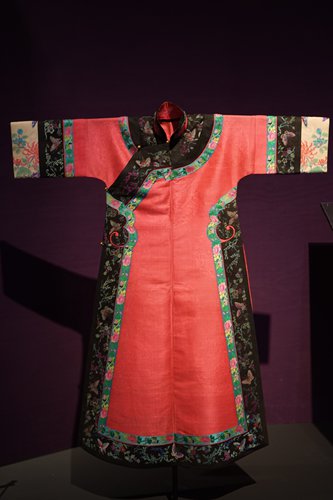
A Manchu robe at the exhibition
