ARTS / ART
Vogue-style photos of elderly help change stereotypes in China
Through their lens
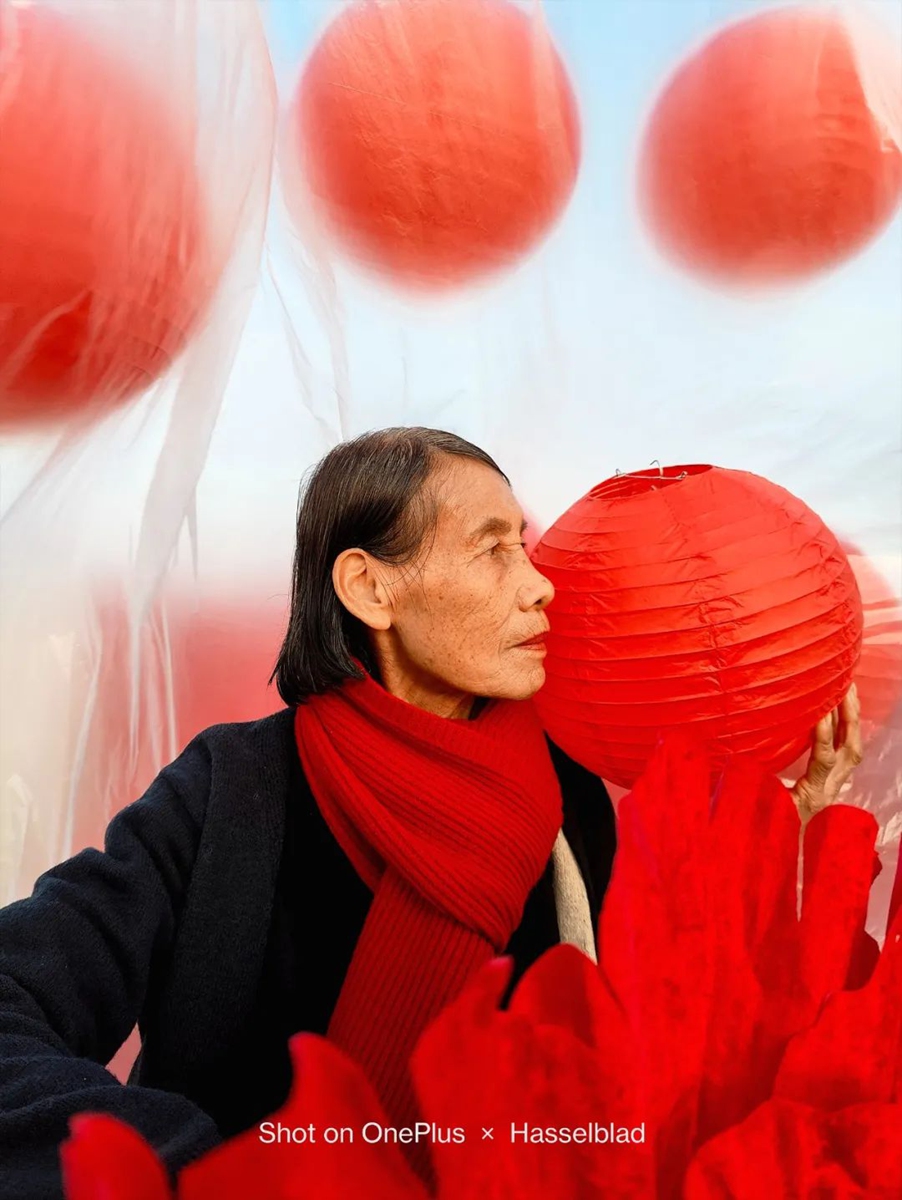
Photographer Li Qihang's grandmother poses for photos. Photos: Courtesy of Li Qihang
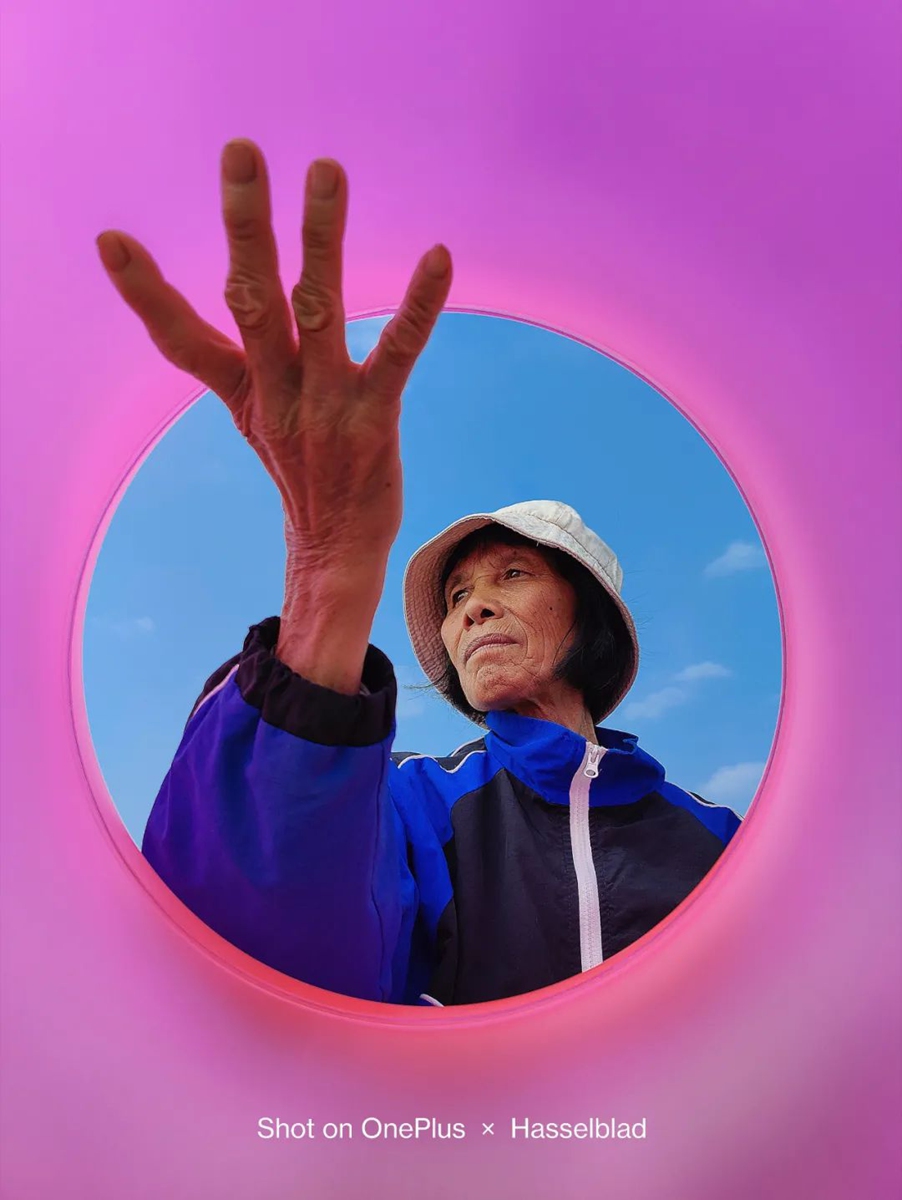
Photographer Li Qihang's grandmother poses for photos. Photo: Courtesy of Li Qihang

Photographs of the elderly fashion by Qin Xiao Photo: Courtesy of Qin Xiao

Photographs of the elderly fashion by Qin Xiao Photo: Courtesy of Qin Xiao
When 25-year-old photography fan Li Qihang first focused his lens on his 70-year-old rural grandma, he never expected that the Vogue-style photos would end up going viral on Chinese social media.Born and raised in a small county in Zhaoqing, South China's Guangdong Province, Li chose to return to his hometown after graduating from his sports college to be an independent photographer and accompany his grandmother, who worked hard all her life as a farmer.
"My first photo was inspired by my grandma's daily life. I captured the moment she looked up at the sky while drying sweet potatoes under the sun on the terrace. It was an amazing combination so I pressed the shutter button," Li said.
From clothing to settings, Li arranged everything before each shoot. Li said at first he felt his grandma lived a rather dull life as she never watched TV or used her smart phone, instead stuck her nose in farming, but now the two have grown closer due to their common hobby.
The combination of cover-style photos and powerful images of a rural woman has made a deep impression on netizens, allowing Li to attract millions of followers on Chinese social media in just two months.
"The reason that I took these sets of photos is that I wanted to tell everyone that grandmothers can be stylish and fashionable," Li said, noting that he has already finished the series and that his plans for the future are to "live in various places and grow into a real photographer."
Need to be seen
Li doesn't have a patent on photos of the elderly. A decade ago, the Shanghai-based photographer Qin Xiao began a similar project after he noticed the contrast between the boring images of the elderly people in film and TV and the diversity and fashion sense of the elderly in reality.
For Qin, one of his aims was to change the stereotypical image of elderly Chinese depicted in media in order to show real, interesting and fashionable images of the group in their most natural state.
Through his photography and observation over the years, Qin began noticing that while young people prefer chasing after the latest fashion trends, the elderly seem more consistent, with their choices becoming their own special fashion style.
The elderly in Qin's photos have broken free of the many stereotypes people have toward senior citizens, such as that they are boring or not fashionable. In Qin's eyes, they are lively and colorful, and clearly possess their own understanding of fashion.
Similar to Qin, another photographer Lu Yuejin has also snapped photos of more than 600 senior citizens over the past ten years. For Lu, one of the benefits of his project is that he has been touched by people who he finds "extremely positive toward life and tend to chase beauty and a good life."
Social concern
The increasing presence of the elderly in creative contents online is the result of their ability to create a "consensuses" among people. As these images touch upon a collective memory shared by many individuals, they can have a strong emotional impact on people, Shi Chuan, vice chairman of Shanghai Film Association, told the Global Times.
"The strength of such images is that they embody people's collective memories, and the nostalgic sense that creates makes some viewers say, 'Wow! My grandmother was like that.' These shared feelings expand the spectrum of the audience and also cause people to review their own life experiences."
Shi also noted that it is not the easiest job to depict good elderly characters in creative content, because it takes long-term effort on behalf of creatives to collect enough realistic details about an individual and also add lyrical layers to create a fictional character.
"To depict informative yet touching stories tests the creator's skills. Portraying such characters in productions can take one many years," Shi noted.
When explaining the creative origin behind these young creators' framed images of the elderly, Chu Chaohui, a research fellow at China's National Institute of Education Sciences, told the Global Times that these young people's increased social and cultural sensitivity often lead them to use their imagination and creativity to reconstruct reality.
"Though it is hard to make a 'value judgment' on this way of thinking, but imaginary perspectives on social issues can reflect the status of society. When in a good society, their observations can be transferred into positivity, while in a bad one they can use a bitter approach to reimagine reality," Chu said.
RELATED ARTICLES