ARTS / ART
HK Palace Museum helps strengthen local Chinese identity
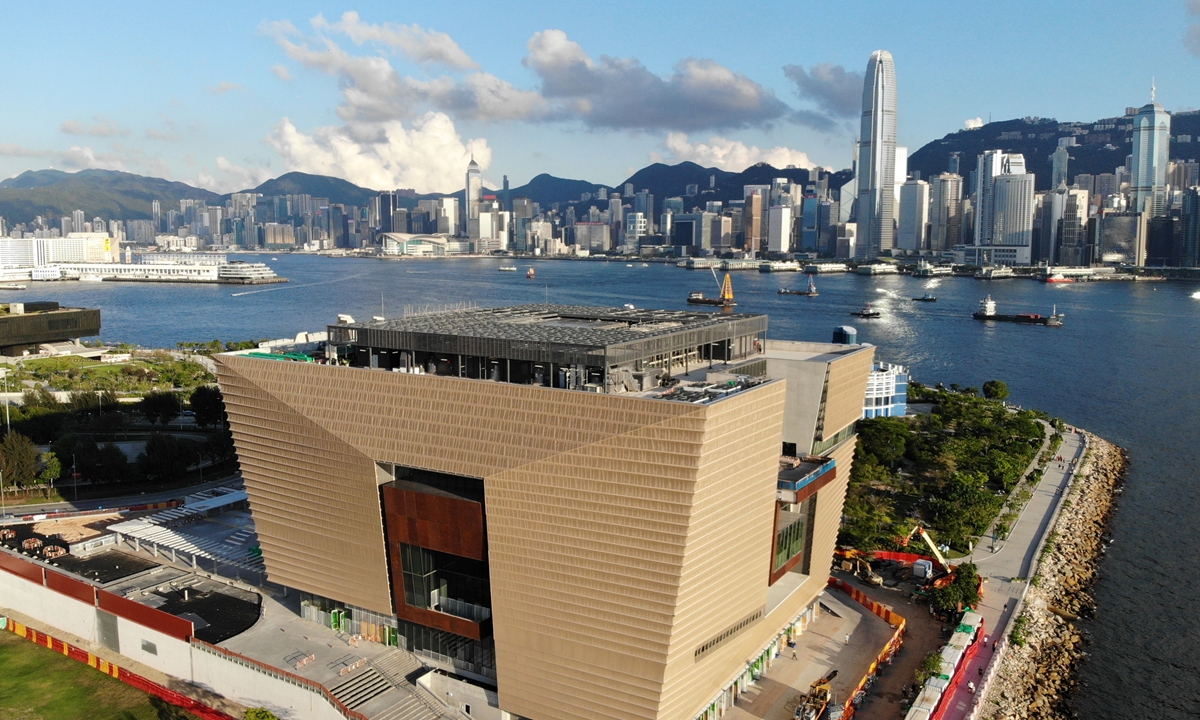
The Hong Kong Palace Museum Photo: IC
Wandering around the Hong Kong Palace Museum, local residents, from elderly couples to young children, pause before displays of cultural relics on loan from the main branch of the museum in Beijing, such as a portrait of a Qing Dynasty (1644-1911) emperor, while carefully looking at the brief introductions and taking photos with their mobile phones.
This has been the scene at the Hong Kong Palace Museum almost every day since its opening in July. The venue has become one of the most popular destinations for locals, especially when new treasures from the Chinese mainland arrive at the museum.
A second batch of 69 cultural treasures from the Beijing Palace Museum was put on display at the museum earlier in October. Part of a rotation system aimed to conserve these precious works of art, the new works replaced the works that had been on display since the opening of the museum.
The mission of the Hong Kong Palace Museum includes helping people in Hong Kong better understand the culture of the motherland and acting as a window and platform for exchanges with other civilizations, said Wang Xudong, director of the Beijing Palace Museum, on Thursday.
The new museum has received more than 400,000 visitors over the past three months, many of which were families.
"The exhibitions have been so well received that many kids and their parents came to see excellent traditional culture carried by the motherland's cultural relics," added Wang.
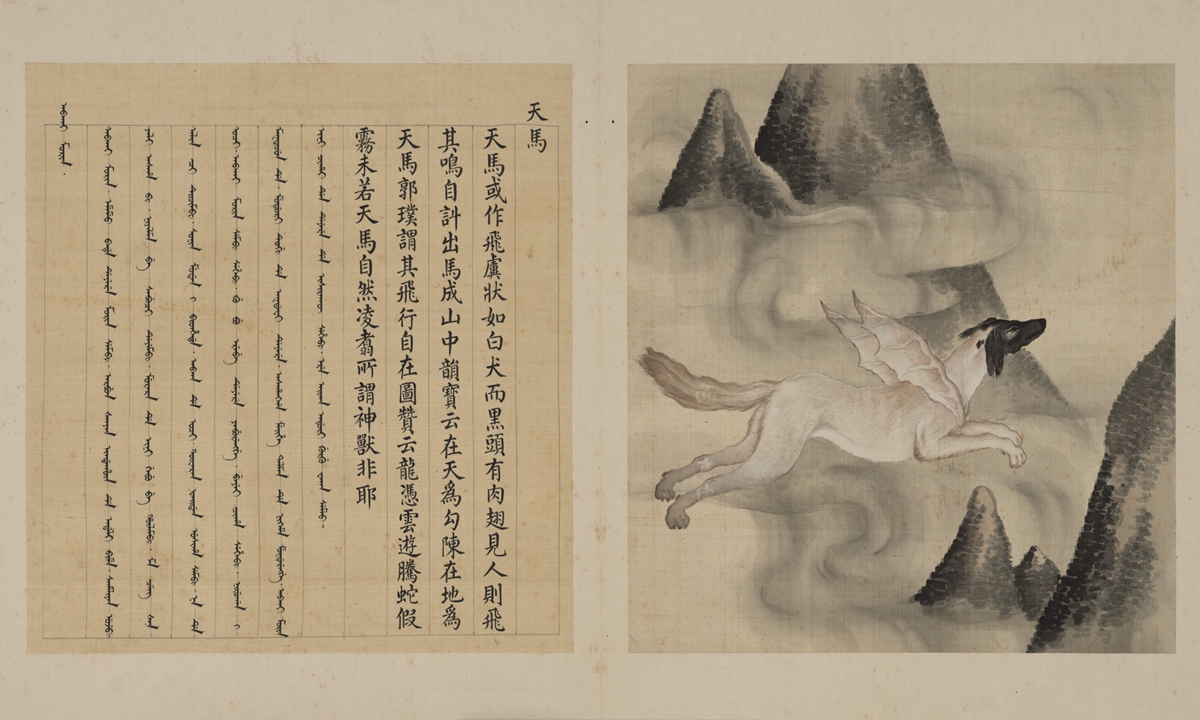
Shou Pu, or beast diagram Photo: Courtesy of the Hong Kong Palace Museum
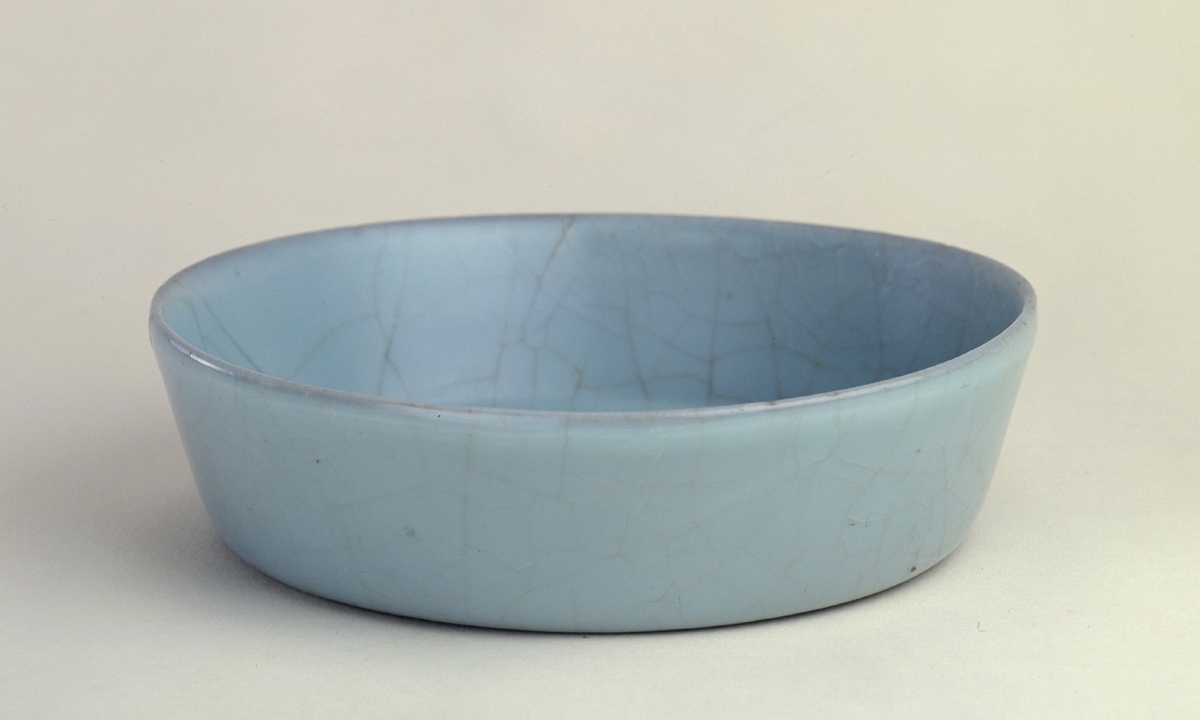
Fenqing Youxi Photo: Courtesy of the Hong Kong Palace Museum
Treasured charm
The works are displayed across three exhibition halls at the museum. Twenty-five of them are part of the special theme exhibition Grand Gallop: Art and Culture of the Horse.
This exhibition offers visitors a rare opportunity to learn about the rich symbolic, social, military and political significance of the horse - one of the most beloved subjects in Chinese art.
Loans from the Beijing Palace Museum and the Louvre in juxtaposition highlight the significance of the horse in different cultures.
Amongst these works, an ink-and-color painting on silk is the show's star item as it shows how China embraced Western art during the Qing Dynasty.
The portrait depicts the Qianlong Emperor in armor riding on a white horse, which he would have done while reviewing his troops.
The painting was completed by the emperor's court painter Giuseppe Castiglione, an Italian Jesuit missionary who was known as Lang Shining in Chinese.
The painting merges classic Western three dimensional realistic perspectives with China's more abstract traditional aesthetics.
Liu Hui, a Chinese cultural researcher, told the Global Times that the Western art style "seasons" the painting, which he noted is a good fit for the museum since it shows the China-West cultural exchanges that are a reflection of Hong Kong's international yet fundamentally Chinese characteristics.
Another highlight of the exhibition is the Shou Pu, which is translated as "beast diagram." The work is a comprehensive "picture" book of animals that took more than a decade to complete.
The Qing Dynasty work contains 180 paintings depicting beasts and mythical animals such as the Chinese dragon with specific descriptions of each.
The texts descriptions are written in both Chinese characters and Manchu script, hinting at China's multicultural embracement even in the ancient times.
According to Liu, showing paintings of horses and dragons in Hong Kong at this time may represent wishes for Hong Kong's continued development as the city's grit and positive spirit are tied to the representation of horses in Chinese culture.
Profound influence
Zhang Yiwu, a professor of cultural studies at Peking University, told the Global Times that the exhibitions of relics from the Beijing Palace Museum can be treated as a supplement to the history lessons taken by young Hongkongers and are a great opportunity to allow them to grow closer to the history of the nation.
Hong Kong is one of the most important hubs of China's international communication, so displaying the country's significant cultural treasures at the museum can increase the influence of Chinese civilization in international society and help narrate Chinese stories, Liu Zheng, a member of the China Cultural Relics Academy, told the Global Times.
Wang said he hopes that more and more Hongkongers will come to the museum so they can be touched by the cultural relics.
"Our colleagues in Hong Kong will plan more exhibitions, especially for children and students, so they may experience the beauty of the life and art left to us by our ancestors, their humanistic spirit and more," said Wang.
RELATED ARTICLES