BUSINESS / PRESS RELEASE
Western China International Fair opens in Chengdu, highlighting openness and innovation
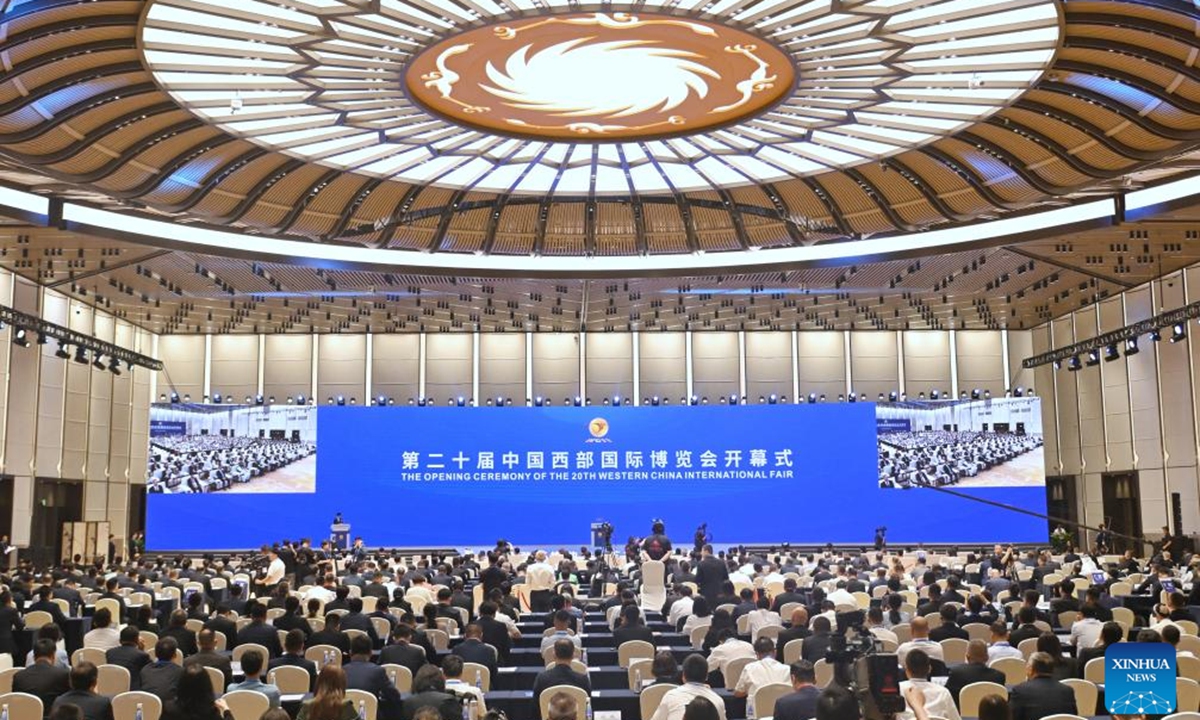
The 20th Western China International Fair (WCIF) opened in Chengdu, Southwest China's Sichuan Province on May 25. With the theme "Deepening Reform For More Momentum, Expanding Openness for Greater Growth," this year's expo introduced, for the first time, dual guest countries of honor and dual guest provinces of honor - inviting Hungary and Laos as guest countries, and Zhejiang and Qinghai as guest provinces.
Featuring over 3,000 enterprises from 62 countries and regions, alongside representatives from 27 Chinese provinces, this year's expo stands as a vibrant hub for trade, innovation, and global exchange.
On opening day, Hungary's hydrogen-powered vehicles and Laos' rainforest coffee drew large crowds, showcasing the convergence of Eastern and Western technology and ecology while revealing new dimensions of openness in western China.
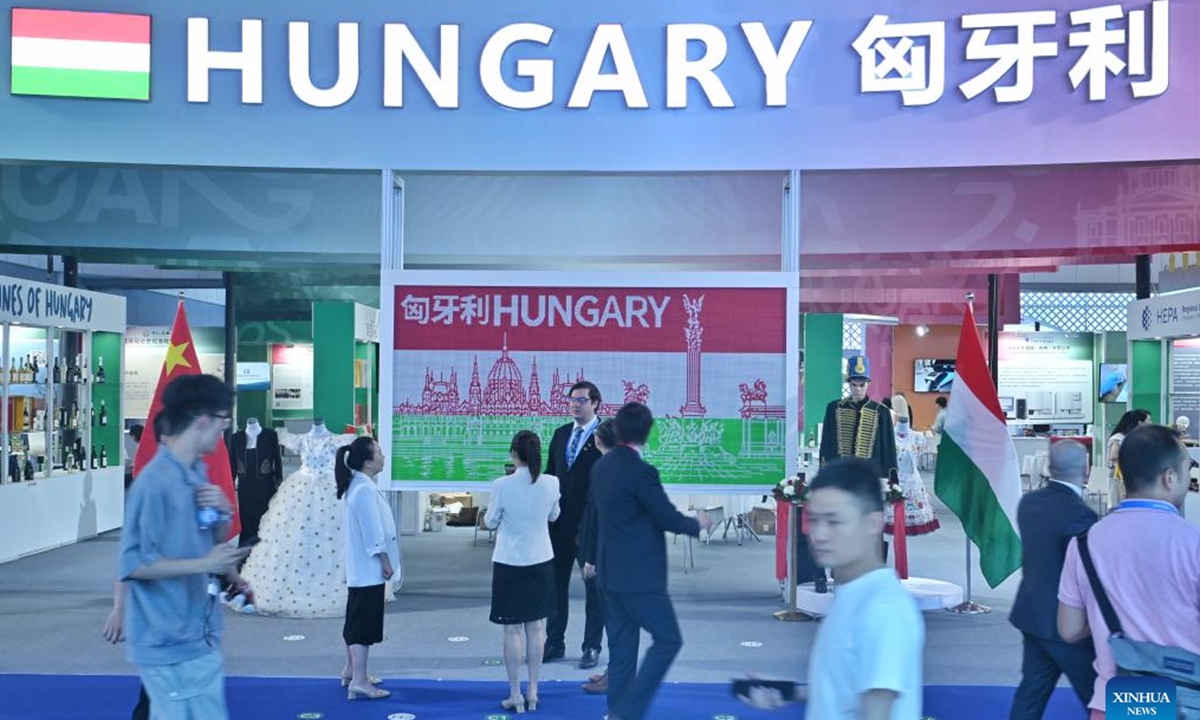
As a guest country of honor, Hungary presented an immersive experience centered on "Innovative Technology and Cultural Integration." The Hungary Pavilion featured traditional attire, historically restored garments worn by Empress Elisabeth (Sisi), and innovations in health technology, green agriculture, and consumer goods.
Highlights included a simulation of a hydrogen-powered multi-purpose vehicle developed in Hungary, an audio demo zone with high-end sound systems, and health tech displays of advanced blood and urine testing equipment. Hungary also showcased an innovative pig feed additive designed to reduce antibiotic use while boosting reproductive efficiency by 10 to 15 percent.
Hungarian consumer goods ranged from cosmetics to food and beverages, including wines from Tokaj, a UNESCO World Heritage site. Experts noted that the sweet Tokaji wine pairs especially well with spicy Sichuan cuisine.
By contrast, the Laos Pavilion offered an immersive sensory journey through the scents of coffee and rainforest. Under the theme "Ecological Laos: Land of Abundance and Connectivity Hub," Laos showcased its green development and regional cooperation.
Known as the "Kingdom of Ecology," Laos is rich in natural resources. Since 2023, Sichuan has operated 735 international trains along the China-Laos Railway, achieving a bilateral trade volume exceeding 740 million yuan. A smooth, two-way cross-border logistics system has also been established via the Vientiane Logistics and Trade Distribution Center.
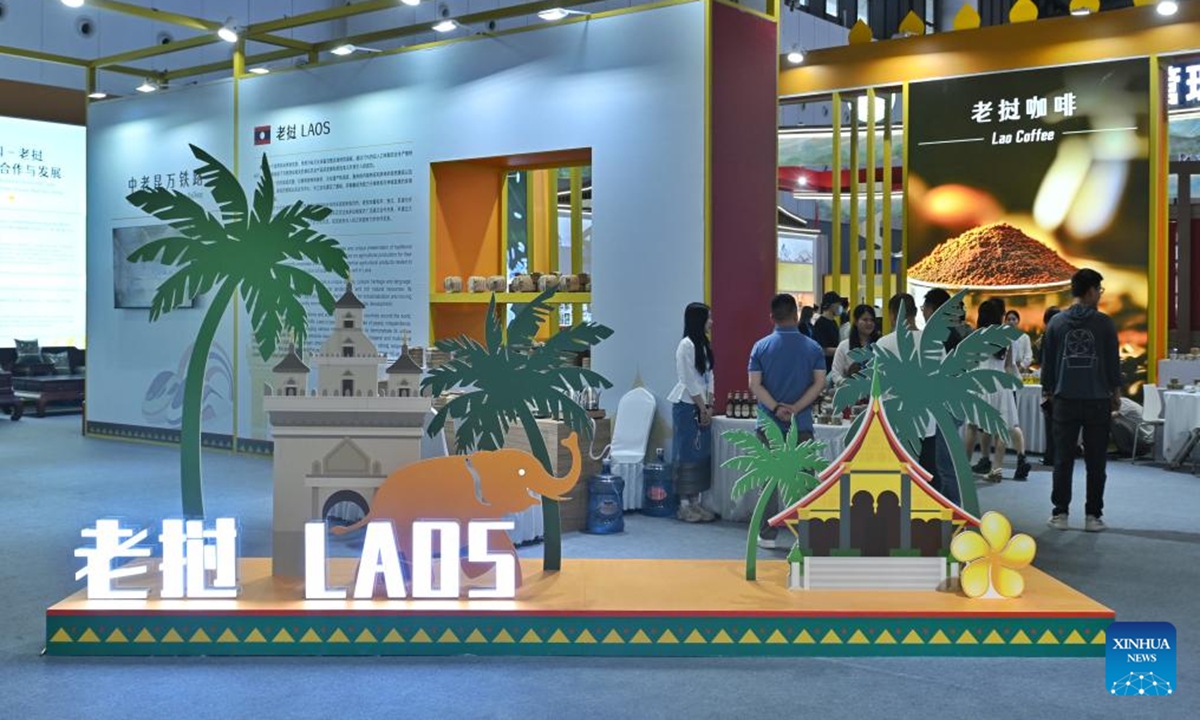
The Laos Pavilion emphasized the benefits of the China-Laos Railway and preferential tariff policies under the Belt and Road Initiative. A special showcase of ecological products included tea, coffee, beer, rice, and handcrafted wooden crafts and furniture.
Visitors could also enjoy a dedicated tasting area for Lao ancient tree tea, sampling the flavors of the rainforest while exploring business cooperation opportunities. In addition to eco-friendly agricultural goods, the pavilion displayed solid wood furniture made from native forest trees, offering a closer look at Lao craftsmanship.
Western China, vast and vibrant, has become a key driver of the country's economic growth. Over the past 19 editions of the WCIF, over 100 countries and regions have participated across more than 1,210 sessions. In total, 68,000 companies and 580,000 individuals have taken part, covering 2.46 million square meters of exhibition space and leading to over 13,000 signed investment and cooperation projects.
This year's expo reached a new level of internationalization, with nearly 300 foreign and foreign-invested enterprises participating, including global leaders like Huawei, Toyota, CRRC, Sinopec, State Grid, Haier, Pacific Insurance, and CATL. Their presence reflects Sichuan's growing "circle of friends" in international cooperation.
As a key platform for international exchange, the WCIF continues to evolve, yet its core mission remains unchanged: showcasing western China's steadfast commitment to openness. From Hungarian hydrogen tech to Laotian coffee, and Latin American chilies meeting Sichuan hotpot, the expo is writing a bold new chapter for the region.
The opening ceremony of the 20th Western China International Fair is held in Chengdu, southwest China's Sichuan Province, May 25, 2025. The fair opened in Chengdu on Sunday under the theme of "Deepen Reform For More Momentum, Expand Openness for Greater Growth." Photo: Xinhua
Featuring over 3,000 enterprises from 62 countries and regions, alongside representatives from 27 Chinese provinces, this year's expo stands as a vibrant hub for trade, innovation, and global exchange.
On opening day, Hungary's hydrogen-powered vehicles and Laos' rainforest coffee drew large crowds, showcasing the convergence of Eastern and Western technology and ecology while revealing new dimensions of openness in western China.
As a guest country of honor, Hungary presented an immersive experience centered on "Innovative Technology and Cultural Integration." The Hungary Pavilion featured traditional attire, historically restored garments worn by Empress Elisabeth (Sisi), and innovations in health technology, green agriculture, and consumer goods.
People visit the pavilion of Hungary at the 20th Western China International Fair in Chengdu, southwest China's Sichuan Province, May 25, 2025. Photo: Xinhua
Highlights included a simulation of a hydrogen-powered multi-purpose vehicle developed in Hungary, an audio demo zone with high-end sound systems, and health tech displays of advanced blood and urine testing equipment. Hungary also showcased an innovative pig feed additive designed to reduce antibiotic use while boosting reproductive efficiency by 10 to 15 percent.
Hungarian consumer goods ranged from cosmetics to food and beverages, including wines from Tokaj, a UNESCO World Heritage site. Experts noted that the sweet Tokaji wine pairs especially well with spicy Sichuan cuisine.
By contrast, the Laos Pavilion offered an immersive sensory journey through the scents of coffee and rainforest. Under the theme "Ecological Laos: Land of Abundance and Connectivity Hub," Laos showcased its green development and regional cooperation.
Known as the "Kingdom of Ecology," Laos is rich in natural resources. Since 2023, Sichuan has operated 735 international trains along the China-Laos Railway, achieving a bilateral trade volume exceeding 740 million yuan. A smooth, two-way cross-border logistics system has also been established via the Vientiane Logistics and Trade Distribution Center.
People visit the pavilion of Laos at the 20th Western China International Fair in Chengdu, southwest China's Sichuan Province, May 25, 2025. Photo: Xinhua
The Laos Pavilion emphasized the benefits of the China-Laos Railway and preferential tariff policies under the Belt and Road Initiative. A special showcase of ecological products included tea, coffee, beer, rice, and handcrafted wooden crafts and furniture.
Visitors could also enjoy a dedicated tasting area for Lao ancient tree tea, sampling the flavors of the rainforest while exploring business cooperation opportunities. In addition to eco-friendly agricultural goods, the pavilion displayed solid wood furniture made from native forest trees, offering a closer look at Lao craftsmanship.
Western China, vast and vibrant, has become a key driver of the country's economic growth. Over the past 19 editions of the WCIF, over 100 countries and regions have participated across more than 1,210 sessions. In total, 68,000 companies and 580,000 individuals have taken part, covering 2.46 million square meters of exhibition space and leading to over 13,000 signed investment and cooperation projects.
This year's expo reached a new level of internationalization, with nearly 300 foreign and foreign-invested enterprises participating, including global leaders like Huawei, Toyota, CRRC, Sinopec, State Grid, Haier, Pacific Insurance, and CATL. Their presence reflects Sichuan's growing "circle of friends" in international cooperation.
As a key platform for international exchange, the WCIF continues to evolve, yet its core mission remains unchanged: showcasing western China's steadfast commitment to openness. From Hungarian hydrogen tech to Laotian coffee, and Latin American chilies meeting Sichuan hotpot, the expo is writing a bold new chapter for the region.
