US rejects pandemic-related WHO amendments; unilateral move may disrupt global public health governance: expert
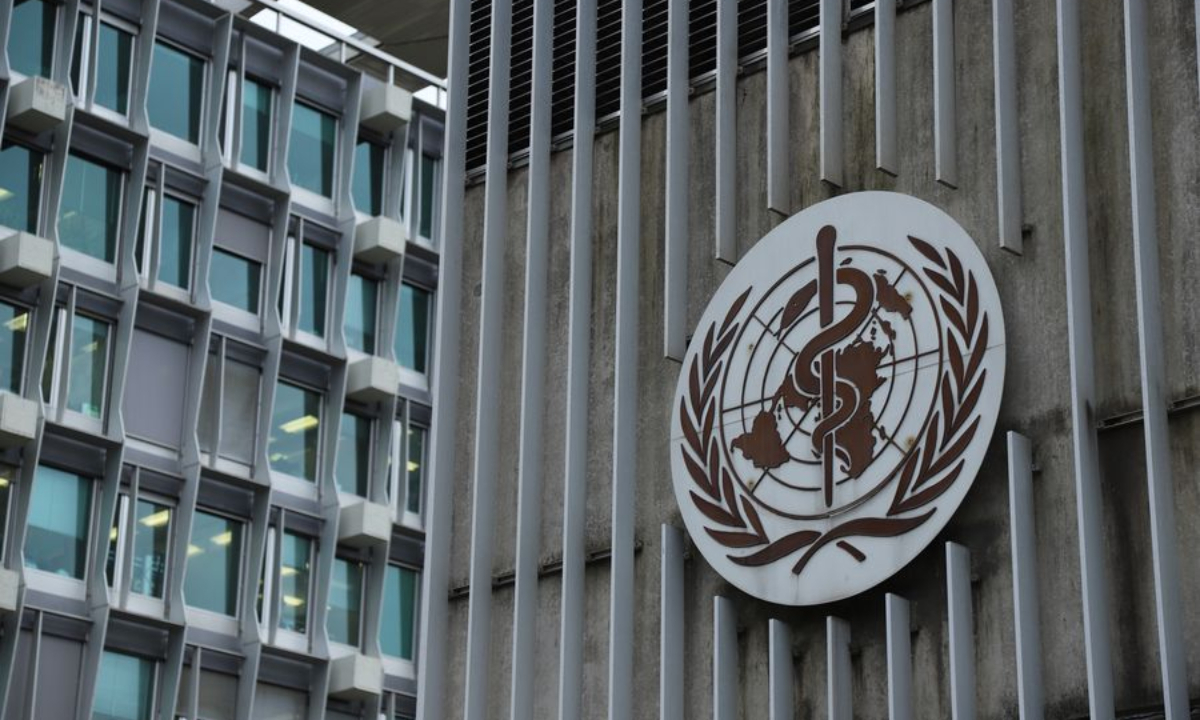
Photo taken on Jan. 30, 2020 shows the headquarters of the World Health Organization (WHO) in Geneva, Switzerland. (Xinhua/Chen Junxia)
US administration said on Friday local time it was rejecting amendments introduced by the World Health Organization (WHO) in 2024 on pandemic response, alleging they violated US sovereignty, according to multiple media reports.The so-called sovereignty concern voiced by the US has been disputed, as some foreign media said the amendment doesn't override national sovereignty. The US move, following its unilateral withdrawal from the WHO, may disrupt global governance in public health, according to a Chinese expert.
The US Department of State and Department of Health and Human Services said in a statement they had transmitted on Friday the official US rejection of the amendments to the International Health Regulations, which were adopted by consensus last year, the Reuters reported.
That pact, which was adopted in Geneva in May after three years of negotiations, aims to ensure that drugs, therapeutics and vaccines are globally accessible when the next pandemic hits, per Reuters. It requires participating manufacturers to allocate a target of 20 percent of their vaccines, medicines and tests to the WHO during a pandemic to ensure poorer countries have access, said the report.
"Developed without adequate public input, these amendments expand the role of the WHO in public health emergencies, create additional authorities for the WHO for shaping pandemic declarations, and promote WHO's ability to facilitate 'equitable access' of health commodities," the US statement claimed.
"Terminology throughout the 2024 amendments is vague and broad, risking WHO-coordinated international responses that focus on political issues like solidarity, rather than rapid and effective actions," said the statement, jointly issued by Secretary of State Marco Rubio and Secretary of Health and Human Services Robert F. Kennedy Jr.
They said on Friday that their rejection protects US sovereignty, the Reuters reported. However, the Reuters report noted the amendments of the International Health Regulations and the parallel pandemic pact leave health policy to national governments and contain nothing that overrides national sovereignty, citing Article from the WHO Pandemic Agreement.
The US' repeated rejection of WHO decisions demonstrates its attempt to pursue exclusive dominance rather than multilateral collaboration, Lü Xiang, a research fellow at the Chinese Academy of Social Sciences, told the Global Times on Saturday.
For the US itself, according to Lü, severance from WHO's global information network would critically compromise US's capacity to maintain comprehensive epidemiological data integrity. This self-inflicted isolation would significantly diminish its preparedness for future pandemics.
According to Straits Times, countries have until Saturday to lodge reservations about the amendments.
Lockdowns and vaccine mandates were a contentious political issue in the US during the pandemic, with right-wing activists leading the charge in rejecting the measures, media reported.
US negotiators left discussions about the accord after President Donald Trump began a 12-month process of withdrawing the US when he took office in January. Its exit means the US would not be bound by the pact, according to the Reuters.
As a nation with vast population mobility, if the US refuses to cooperate with the WHO and other countries, it will lead to impeded information exchange with the outside world, thereby disrupting the governance of global public health security, Lü added.
RELATED ARTICLES