ARTS / CULTURE & LEISURE
Young performers embody social responsibility through portrayals of disability
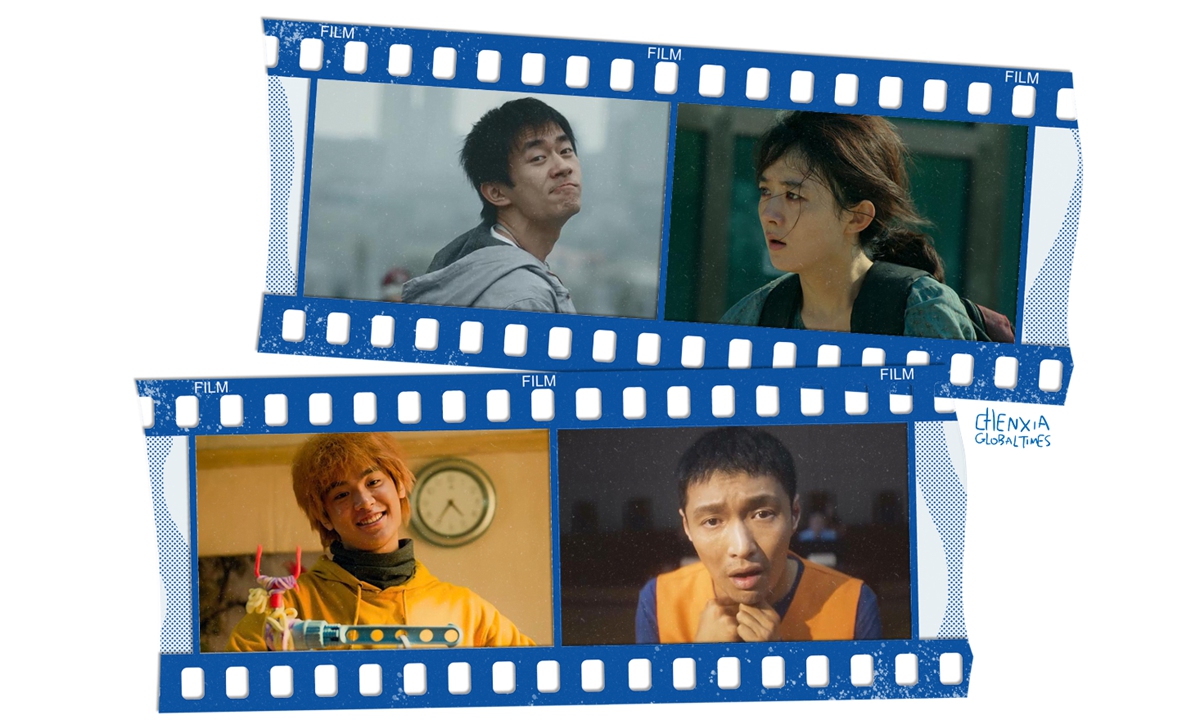
Illustration: Chen Xia/GT
Editor's Note:
Young actors and actresses are increasingly taking on roles of characters with disabilities, becoming a new industry trend. Leveraging their artistic versatility, they have broken traditional boundaries, deeply exploring characters' inner worlds and bringing them to life with nuanced performances. Liu Hongwei, an associate professor at the Performing Institute of the Beijing Film Academy, examines the motivations and social value of these portrayals in this article, offering insights into how performers are overcoming creative challenges to present more comprehensive and authentic character depictions.
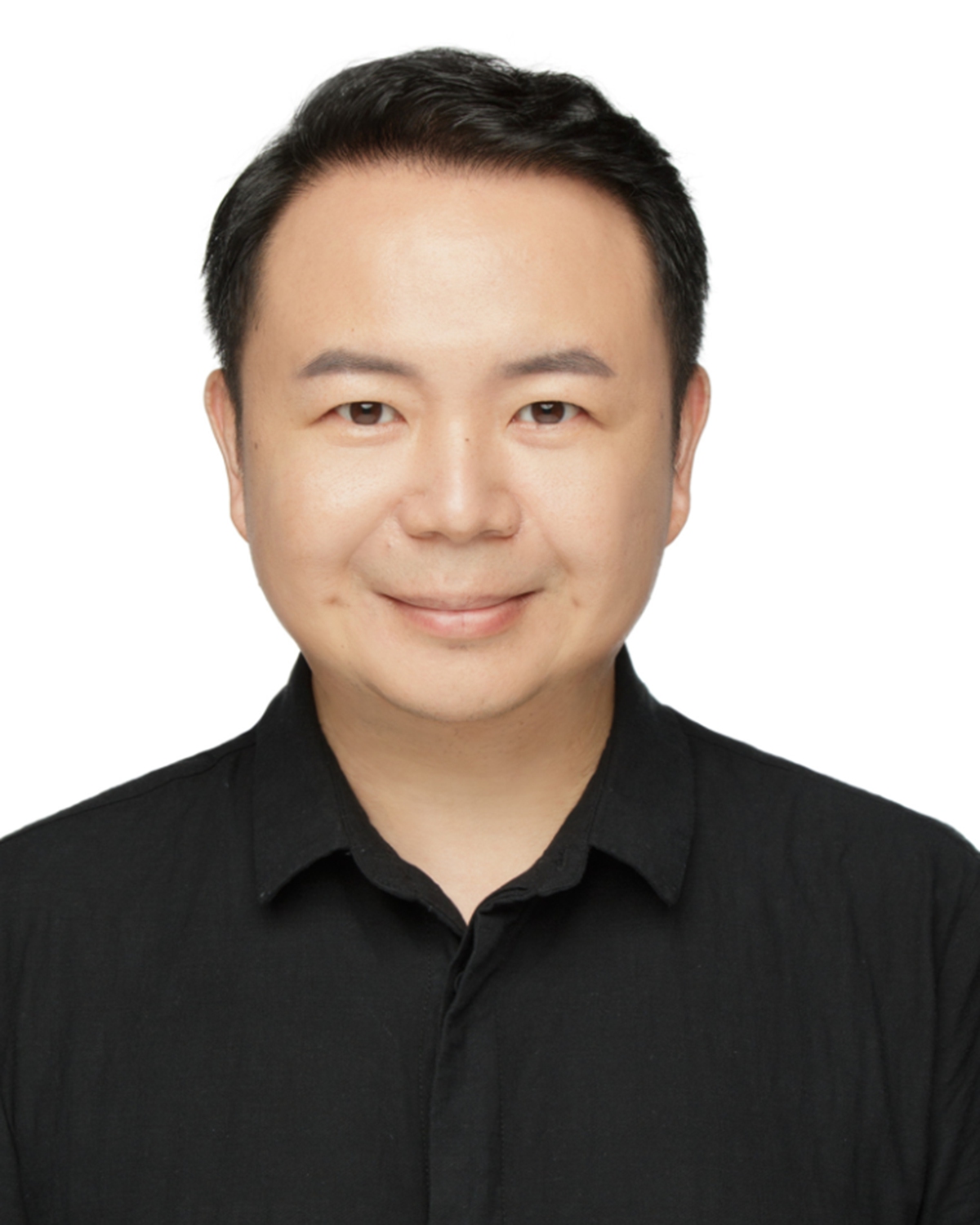
Liu Hongwei
From Chinese actress Zhao Liying's nuanced performance as a deaf-mute mother in the 2024 film Article 20 to actor Jackson Yee's compelling depiction of a cerebral palsy patient in the 2024 movie Big World, actor Zhang Yixing's role as a deaf father in the 2025 work Mumu, and actor Justin Huang's portrayal of a hearing-impaired teenager in Till Love Do Us Apart in 2024, a new generation of Chinese performers is making waves. Harnessing their unique artistic influence and talent, these stars are breathing new life into film portrayals of disabled characters, drawing widespread attention from both the film industry and the public.Looking back at the evolution of cinema, the depiction of disabled characters has always been a significant topic for filmmakers. As society's understanding grows, audience tastes diversify, and creative methods evolve, opportunities have emerged for more nuanced and authentic portrayals. Today, more filmmakers and performers are delving deeply into the inner lives and everyday realities of disabled individuals, seeking to present their diversity and unique spirit through more realistic, multidimensional, and varied artistic approaches.
Young actors and actresses are proactively choosing disabled roles as a means to challenge themselves and expand their creative horizons. These performances grant visibility and dignity to groups often marginalized on screen, inspiring the broader artistic community to reflect on the purpose, methods, and value of such portrayals.
Take Jackson Yee in Big World. To play the cerebral palsy patient Liu Chunhe, he spent time observing real patients, underwent physical training, and worked to capture every subtle gesture and expression with authenticity. Zhao, preparing for her role as the deaf-mute mother Hao Xiuping in Article 20, learned sign language and immersed herself in the deaf-mute community, exploring her character's resilience and deep maternal love to reveal a rich emotional landscape.
Notably, many of these young stars come from non-traditional backgrounds, not formal acting academies. This diversity allows them to bring fresh artistic techniques and innovative thinking to the screen. For example, Zhang Yixing, originally a dancer, drew on his sense of movement and rhythm to convey the unique communication of a deaf father in Mumu. The poetic tension and rhythm he brought to sign language and body language not only depicted the world of the hearing-impaired but also elevated the emotional resonance of the role.
However, while diverse backgrounds can inspire creativity, a lack of professional acting training can also present obstacles. Without systematic study, some young performers may find it challenging to fully capture the complexity and depth required for disabled roles, particularly in conveying nuanced emotions and lived experiences.
Portraying disabled characters demands mastery on three levels: physical imitation, sensory reconstruction, and emotional empathy. Each stage presents unique challenges for performers' physical control and psychological insight.
The first level, "embodying physical traits," requires actors to precisely reproduce the external behaviors of people with disabilities. Yee, for instance, studied medical literature and observed patients in rehabilitation centers, breaking down symptoms like the "crab-like walk" and "hand spasms" into specific actions - hip rotation, knee rigidity, foot inversion - and practiced them over months, building muscle memory until the movements felt natural.
The second level, "reconstructing the sensory world," tests the performer's understanding of how disabled individuals perceive and interact with their environment. To play her role, Zhao wore soundproof earplugs on set, relying on visual cues like her co-actors' throat movements and body rhythms to judge dialogue timing, thus immersing herself in her character's world of silence.
The third level, "emotional empathy," asks the performer to transcend physical mimicry and achieve true spiritual resonance with the character. Zhang, in Mumu, used layered body language and subtle facial expressions to reveal the pain, longing, and vitality of a deaf father, moving beyond surface imitation to reach the soul of the character.
In today's society, the value of humanistic care is widely embraced. As public figures, these actors and actresses wield significant influence; by taking on disability roles, they not only pursue artistic growth but also demonstrate a deep sense of social responsibility and compassion. Their work can encourage audiences to pay closer attention to the lives of disabled individuals, fostering greater understanding and respect, and helping society move toward greater inclusivity and harmony.
The creative interpretations of disabled roles by young actors and actresses resonate with modern audiences' desire for authenticity in art. Through committed and professional performances, they achieve a unity of artistic truth and real-life experience. Perhaps more importantly, these explorations are reshaping the very role of acting in society. By combining technical skill with social consciousness, they are transforming film from mere entertainment into a vehicle for cultural empathy and social inclusion. This shift not only expands the boundaries of performance art but also redefines what it means to be a performer and a cultural worker in the contemporary era.
The original article was published on the magazine Film Art.
The author is an associate professor at the Performing Institute of the Beijing Film Academy
RELATED ARTICLES