ARTS / CULTURE & LEISURE
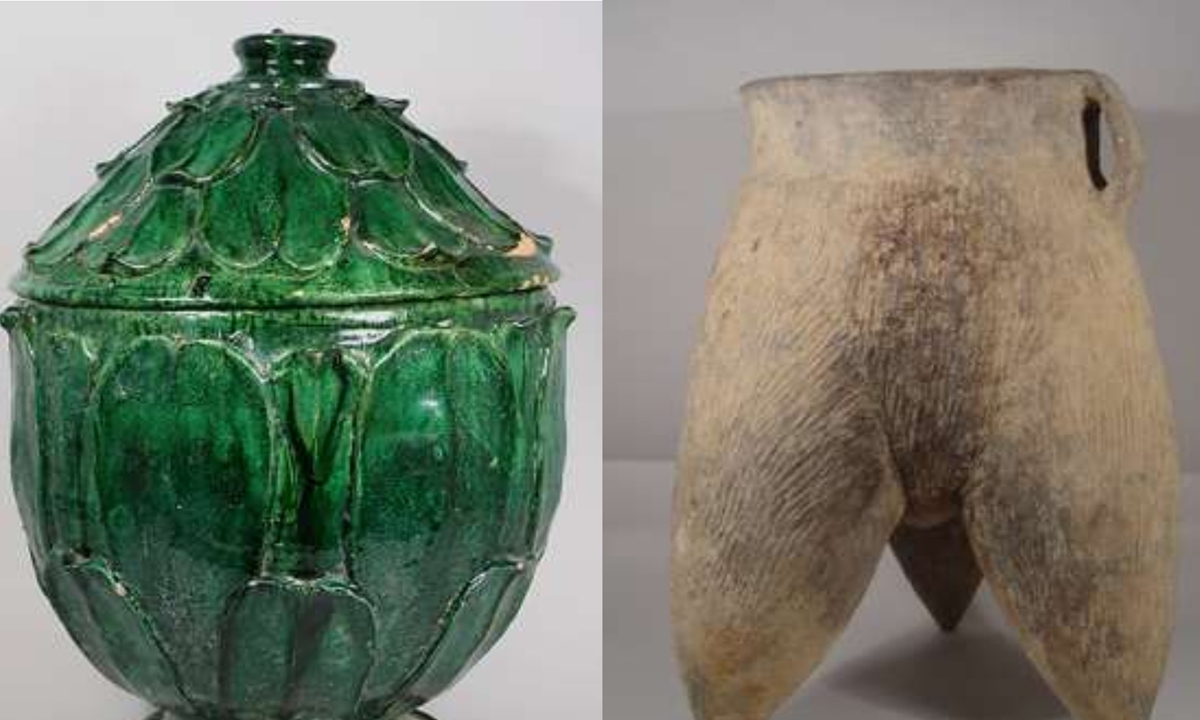
35 batches of 537 lost Chinese relics return home in past five years amid international recovery efforts: NCHA
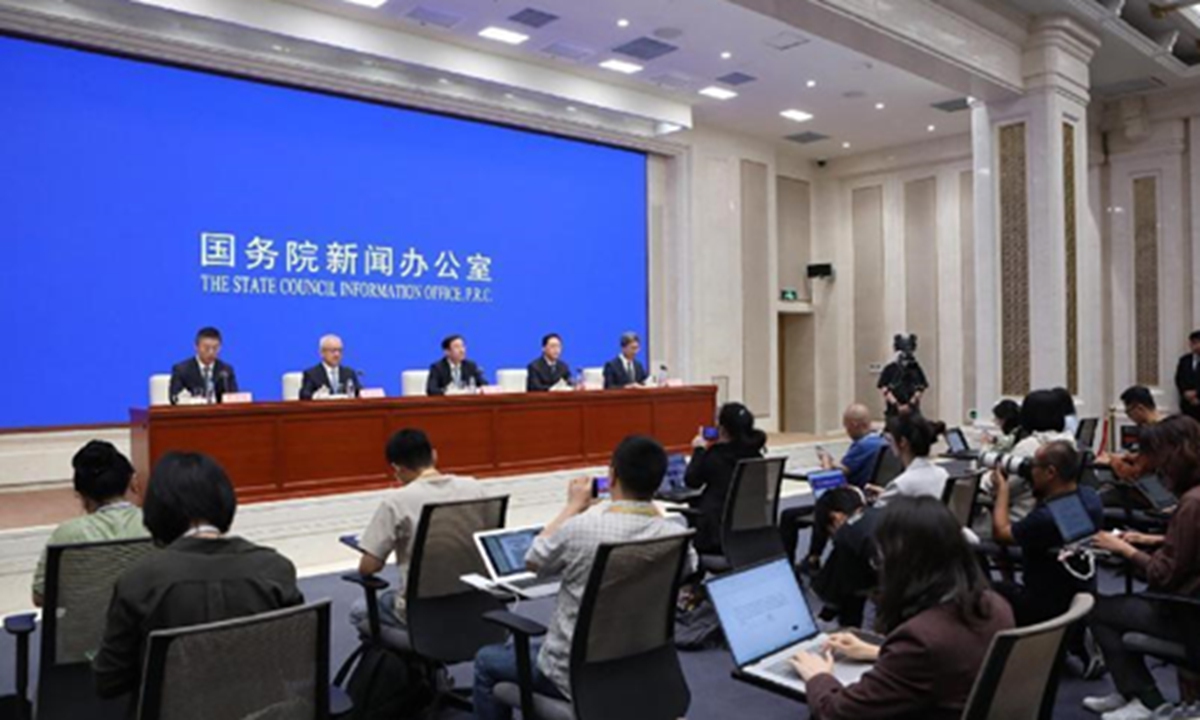
China's State Council Information Office (SCIO) holds a press conference delivering results in high-quality development of the cultural heritage sector during the 14th Five-Year Plan period (2021-2025) in Beijing on September 10. Photo: VCG
China has been making steady progress in the recovery of lost cultural relics. A total of 35 batches comprising 537 pieces or sets of cultural relics and artworks, including the Yuanmingyuan stone columns and the Western Zhou (1046 BC-771 BC) bronze vessel Feng XingShu Gui, have returned to the motherland, Xie Bing, deputy head of the National Cultural Heritage Administration, said at a press conference in response to a Global Times reporter's question on achievements in the recovery and return of Chinese cultural relics lost overseas.
Xie noted that notably, the earliest known silk manuscripts discovered so far: the Wuxingling and Gongshouzhan of the Warring States Period (475BC-221BC), unearthed from the Bullet Depot Chu Tomb in Changsha, were returned to China after being lost in the US for 79 years. Their recovery represents a successful case achieved through provenance and circulation history research targeting modern-times lost relics to which international conventions are not applicable.
Xie also pointed out that China is actively engaged in international governance of protection and restitution of illicit import and export of cultural relics. The country has signed intergovernmental agreements with 27 countries to prevent the illicit import and export of cultural property, and jointly issued the proposal with 18 countries on the protection and return of cultural relics lost or acquired under colonial contexts or through other unjust and unethical means, thus expanding the "concentric circle" of relic recovery.
In 2025, China was also elected for the first time as chair of the Eighth Meeting of States Parties to the 1970 UNESCO Convention on the Means of Prohibiting and Preventing the Illicit Import, Export and Transfer of Ownership of Cultural Property. This, Xie said, has provided broader international space for the recovery and return of lost cultural relics.
"The recovery and return of Chinese cultural relics lost overseas is about safeguarding national cultural rights, inspiring patriotic enthusiasm, and enhancing cultural confidence. During the 14th Five-Year Plan Period (2021-25), together with departments of publicity, foreign affairs, public security, justice, culture and tourism, and customs, as well as universities and research institutions, we have taken into account both domestic and international dimensions, working hand in hand and overcoming difficulties. The recovery of lost cultural relics has achieved positive results," Xie said.
Xie also mentioned other efforts made by China in this regard. He noted that China has strengthened the construction of laws and regulations, with the newly revised Law on the Protection of Cultural Relics incorporating for the first time provisions concerning the recovery and return of lost relics, while enhancing cross-departmental coordination in the process. Research on the provenance and circulation history of historically lost cultural relics has also been advanced, laying a solid foundation for recovery efforts.
Xie highlighted that over the past five years, each batch of relics returned has received strong support and widespread attention from all sectors of society, which has greatly enhanced the cohesion of the Chinese nation and the influence of Chinese culture.
The recovery and return of lost cultural relics involve multiple factors such as international politics, law, history, culture, and national sentiment. The work is carried out within an incomplete international order and relies on consensus and cooperation among different countries, making it arduous, complex, and long-term. In the completed recovery cases, the longest one took 25 years.
"Next, we will continue to take the 'homecoming journey' of Chinese cultural relics lost overseas as a new starting point for an 'expedition journey', further improve institutional arrangements for the recovery and return of lost relics, strengthen coordination, pool strength, and promote the return of more relics," Xie said.
Global Times
RELATED ARTICLES