PHOTO / CHINA
Tibetan "Lingka" festival brings new vitality to cultural tourism in Xizang
Published: Oct 02, 2025 08:16 PM
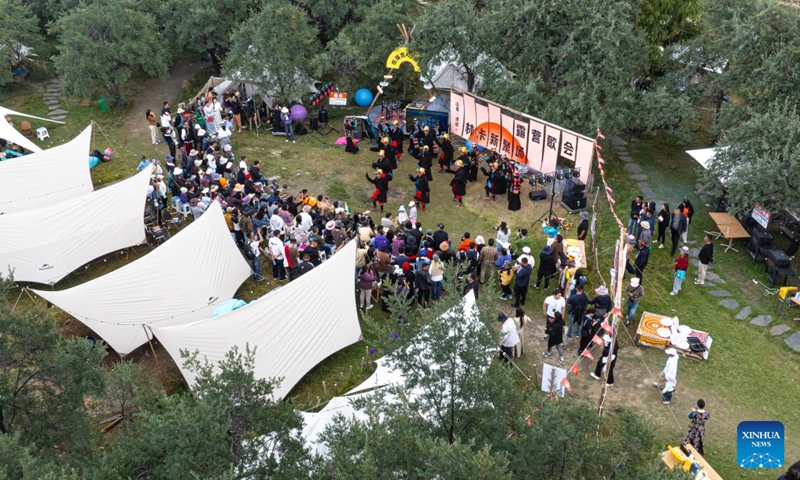
An aerial drone photo taken on Sept. 13, 2025 shows people attending a Lingka festival in Qonggyai County of Shannan, southwest China's Xizang Autonomous Region.(Xinhua/Tenzin Nyida)
An aerial drone photo taken on Sept. 13, 2025 shows people attending a "Lingka" festival in Qonggyai County of Shannan, southwest China's Xizang Autonomous Region.(Xinhua/Tenzin Nyida)


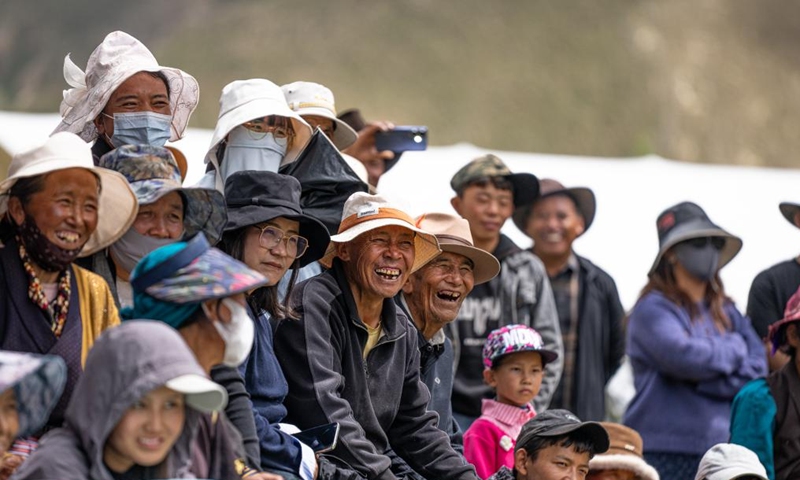
Local residents watch a performance at a Lingka festival in Qonggyai County of Shannan, southwest China's Xizang Autonomous Region, on Sept. 13, 2025.(Xinhua/Tenzin Nyida)
Local residents watch a performance at a "Lingka" festival in Qonggyai County of Shannan, southwest China's Xizang Autonomous Region, on Sept. 13, 2025.(Xinhua/Tenzin Nyida)


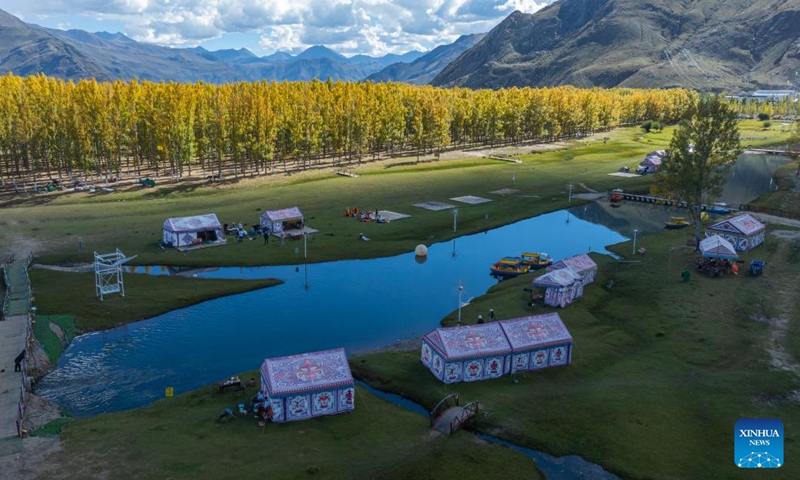
An aerial drone photo taken on Sept. 27, 2025 shows a view of a Lingka camping site in Lhunzhub County of Lhasa, southwest China's Xizang Autonomous Region.(Xinhua/Tenzin Nyida)
An aerial drone photo taken on Sept. 27, 2025 shows a view of a "Lingka" camping site in Lhunzhub County of Lhasa, southwest China's Xizang Autonomous Region.(Xinhua/Tenzin Nyida)


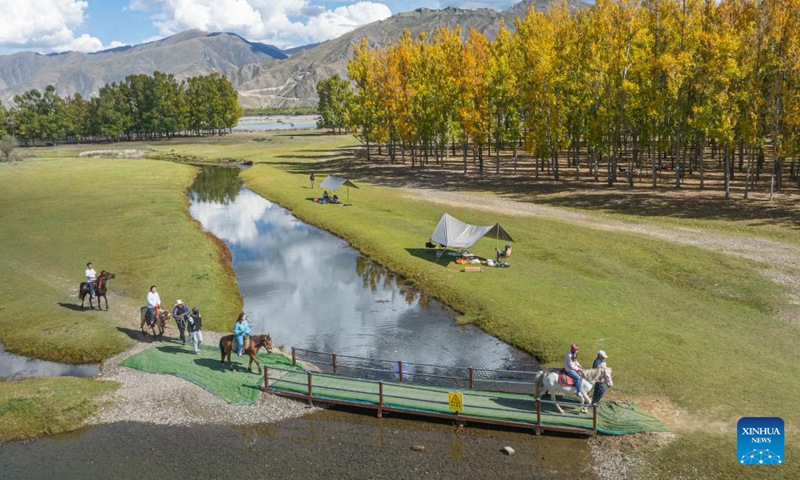
An aerial drone photo taken on Sept. 27, 2025 shows tourists riding horses at a Lingka camping site in Lhunzhub County of Lhasa, southwest China's Xizang Autonomous Region. Lingka means garden in the Tibetan language. In Xizang, people follow a tradition of spending the Lingka time during which they camp out and have picnics in parks or suburbs. Nowadays, this traditional folk custom has developed into a new form of cultural tourism as well as a vibrant lifestyle.(Xinhua/Tenzin Nyida)

An aerial drone photo taken on Sept. 27, 2025 shows tourists riding horses at a "Lingka" camping site in Lhunzhub County of Lhasa, southwest China's Xizang Autonomous Region. "Lingka" means "garden" in the Tibetan language. In Xizang, people follow a tradition of spending the "Lingka" time during which they camp out and have picnics in parks or suburbs. Nowadays, this traditional folk custom has developed into a new form of cultural tourism as well as a vibrant lifestyle.(Xinhua/Tenzin Nyida)