BRASIL 247 / MORE
Brazil and China push for sweeping WTO reform as US unilateralism escalates
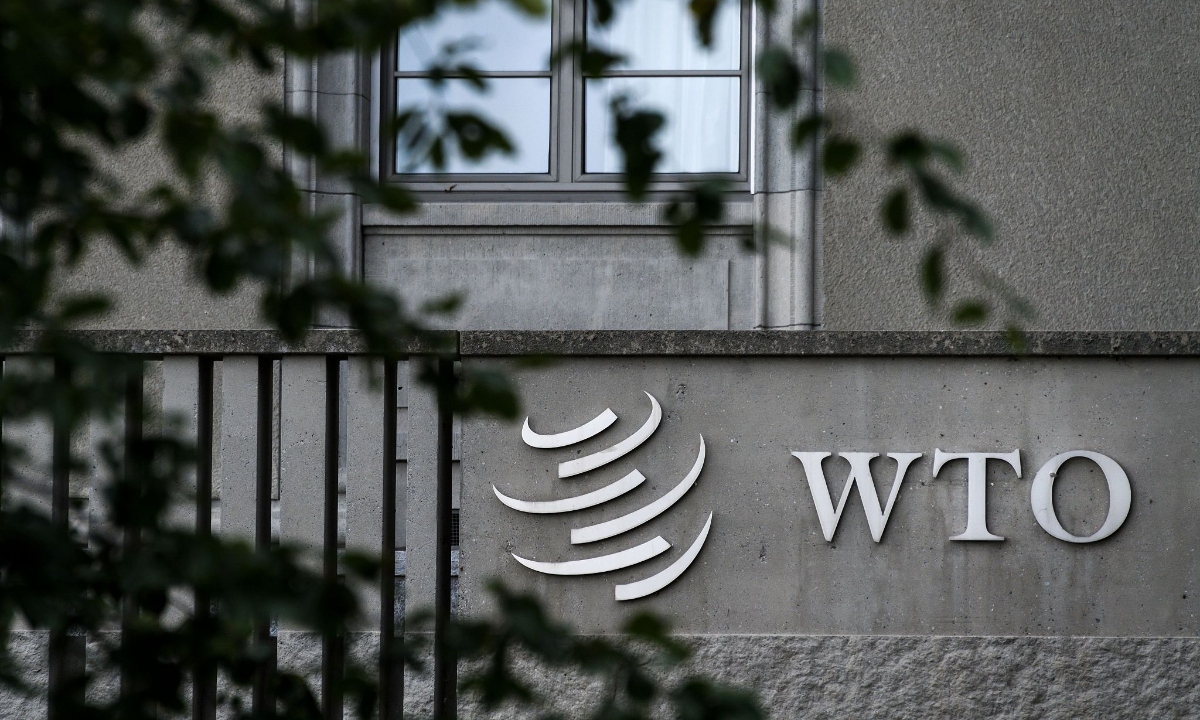
A sign of the WTO on its headquarters in Geneva Photo: VCG
By Brasil 247 - Amid rising trade tensions and what they describe as an escalation of US unilateralism, Brazil and China are pressing for a profound reform of the World Trade Organization (WTO). The push was brought to the floor during Monday and Tuesday's General Council sessions, as reported by Valor Econômico journalist Assis Moreira.
Brazil urged the WTO's 166 member states to examine the effects of "recent developments in trade policy on the rules-based system" and to explore "possible solutions" aimed at restoring the organization's credibility. President Luiz Inácio Lula da Silva has repeatedly stressed the need to "refound the WTO on modern and flexible terms" in the face of growing protectionist and unilateral measures.
Lula warns of systemic retreat
"Few areas have regressed as much as the multilateral trading system," Lula said, criticizing Washington's use of trade barriers. "Unilateral measures turn core principles like the Most-Favored-Nation clause into dead letter law. They disrupt value chains and push the global economy into a pernicious spiral of high prices and stagnation."
His remarks followed the US decision to impose a 50 percent tariff on Brazilian goods.
Beijing positions itself as multilateralism's defender
China, the world's largest trading nation, also struck a forceful tone at the WTO meetings. Beijing called for a debate on how members can "collectively respond to the current period of trade turbulence intensified by unilateral actions."
China announced that it will not seek any new special and differential treatment in the current and future WTO negotiations. The government characterized the step as a "solemn commitment to safeguard and strengthen the multilateral system."
Toward a new WTO framework
Diplomats and trade negotiators increasingly believe that the WTO requires a structural overhaul, not mere institutional patchwork. According to Valor Econômico, many members — including emerging economies — argue that a new normative framework for global trade is necessary, one that better reflects shifting economic and geopolitical dynamics.
The ambition extends beyond new sectoral deals: negotiators envision rebuilding the rules and principles underpinning the multilateral system. Some have compared the moment to a "return to origins," recalling the General Agreement on Tariffs and Trade (GATT), which from 1947 to 1995 guided successive rounds of negotiations and institutional flexibility.
The crisis of the Appellate Body
The WTO, established in 1995, represented a milestone in global trade governance, introducing a binding dispute settlement mechanism. But the paralysis of its Appellate Body in December 2019, following US obstruction, plunged the organization into crisis.
Since then, the multilateral trade system has weakened under institutional gridlock and political deadlock, opening space for unilateral measures.
Against this backdrop, negotiators are weighing reforms that could make the WTO less dependent on unanimity, allowing coalitions of countries with shared interests to move ahead. Special treatment would be limited to the poorest nations, while larger economies could pursue partial accords in areas such as intellectual property (TRIPS), investment (TRIMS), and e-commerce.
Redefining the architecture of global trade
Any reconstruction of the WTO will likely involve complex, sector-specific negotiations shaped by the priorities of different economic blocs. Technology giants, for instance, are pressing to extend the moratorium on taxing electronic transmissions — a measure central to boosting profits and lowering digital barriers.
For now, Brazil and China are working in tandem to reposition the debate around the WTO's legitimacy, defending cooperation, predictability, and economic fairness in an increasingly fragmented global landscape.
(Reported by Brasil 247 on October 7, 2025)
