European companies possess advanced know-how in crucial sectors
Sustainability expressed through Made in Italy

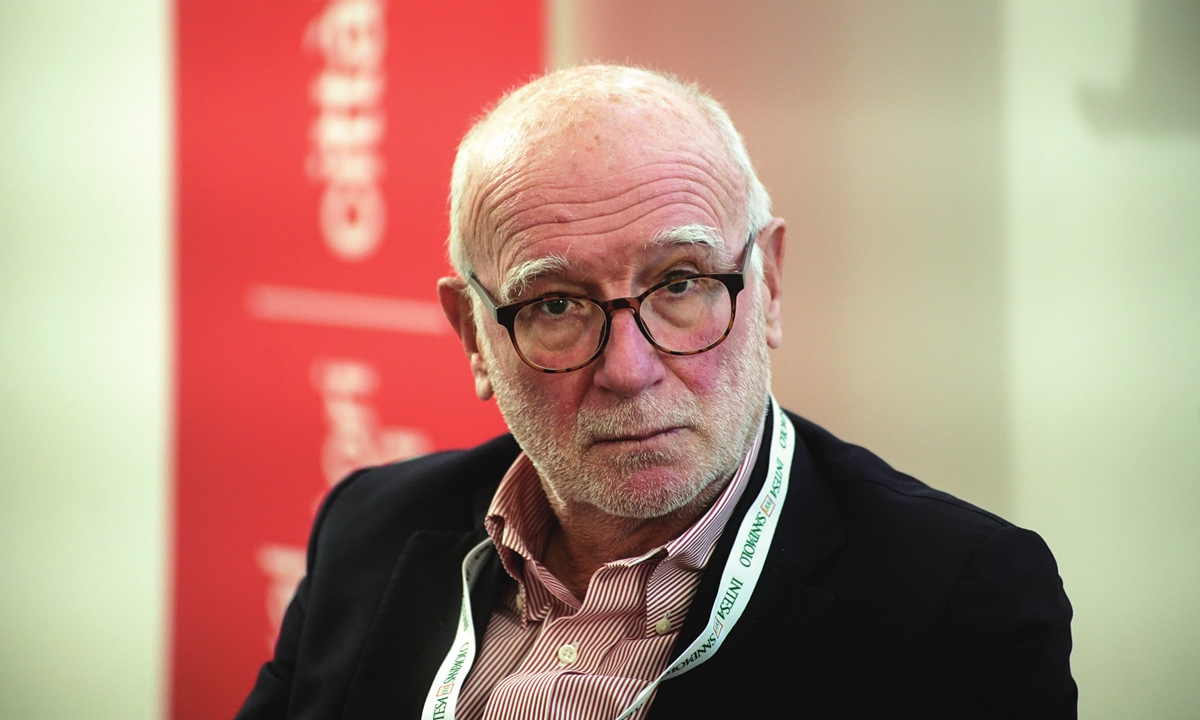
Gian Paolo Negrisoli, CEO of Flamma Photos: Courtesy of Imagoeconomica
Since 2020, China has been setting environmental goals to be achieved by 2030. This has made it interesting to analyze Italian companies that have a close relationship with China regarding how they interpret sustainability. An example was provided by a forum held on September 19 at the Intesa Sanpaolo bank headquarters in Shanghai. Organized by the China-Italy Chamber of Commerce and attended by representatives of the Flamma group and Rina in China, the forum centered on the topic of "Sustainability in the health, pharmaceutical, and energy industries."The event focused on the latest developments in good environmental sustainability practices and environmental, social, and governance (ESG), particularly regarding solvent recovery, decarbonization of production, and the adoption of measurement tools for the most effective practices, especially in the field of solvents, considering the stricter regulations adopted by China.
"European companies possess advanced know-how in crucial sectors: renewable energy, energy efficiency, hydrogen, carbon dioxide capture and storage, sustainable fuels, the circular economy," stated Gianni Di Giovanni, chairman of Eni Energy China and national vice president of the European Union Chamber of Commerce in China.
"China, for its part, offers an unparalleled industrial scale, production capacity, and unique implementation speed. It is in the sum of these two factors, European experience and Chinese scale, that space opens for concrete strategic collaboration."
On the thread of this possible cooperation, Di Giovanni added, "The new bilateral tax agreement between Italy and China, which will come into effect in 2026, will provide further incentives and guarantees for mutual investments. But the real opportunity lies in transforming decarbonization into a shared success story, capable of combining economic growth and sustainability."
Regarding the concept of sustainable development, which can address present needs without compromising future generations, Gian Paolo Negrisoli, CEO of Flamma, had a precise opinion: "Sustainability is a duty. We must give back what we have taken from our children and grandchildren. It is necessary to create more value than what each of us appropriates."
In its three-quarters of a century of history, Flamma, a family-owned company founded in 1950 in the province of Bergamo, Italy, and which currently has seven operational sites in the US, China and France, has specialized in the Contract Development and Manufacturing Organization sector, which involves being a third-party pharmaceutical company aimed at developing and producing drugs and devices for other client companies.
In the key concepts of its proposal, people and employees intersect and collaborate in an almost matrix-like scheme with the territory, not neglecting product/process and customer relationships. In this broad stakeholder vision, ESG becomes the core of development.
Thanks to this perspective, Flamma has entered the ranking of the top 10 in Europe in the Contract Manufacturing Organization category.
"We must go beyond mere compliance with environmental regulations and start rethinking production not only in terms of quality but also based on its impact on the environment and society" is Negrisoli's thesis.
"It will be a complex and challenging task that will require a long time and the use of many dedicated resources, but we cannot lose it because we have our values, the desire to innovate, and the ability to make the best use of technology."
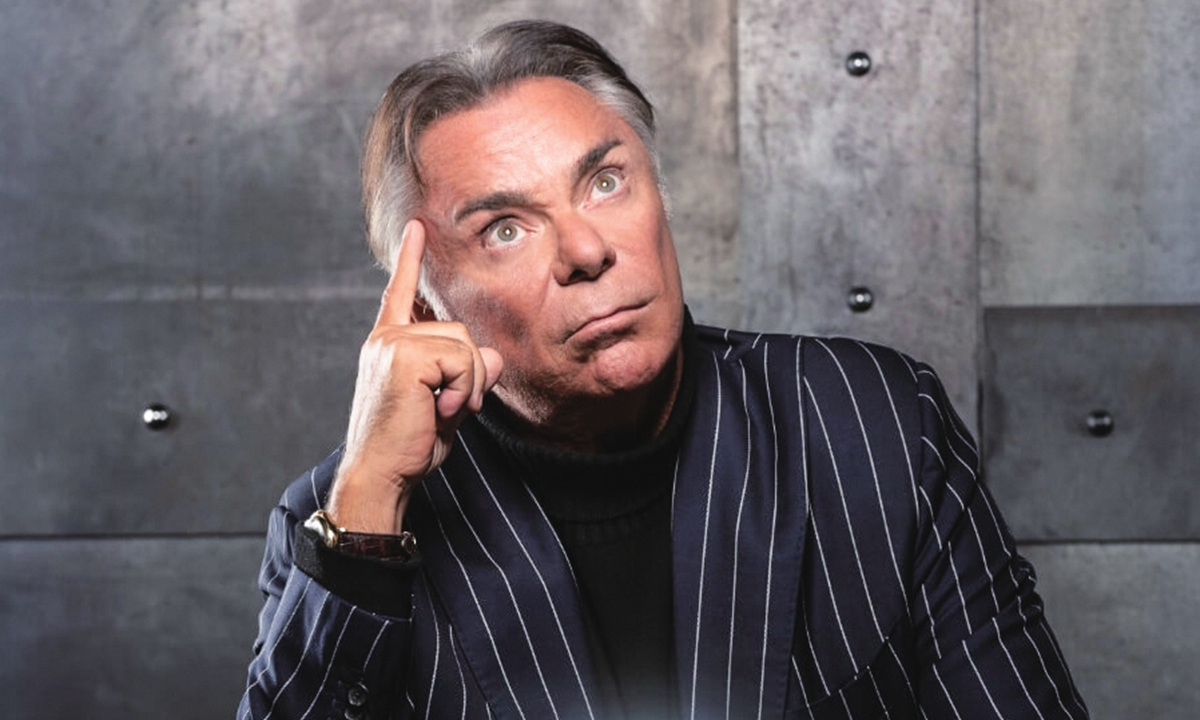
Giorgio Girondi, president and owner of UFI Filters Group
Another example of commitments and investments in environmental sustainability is that of the UFI Filters Group, which opened its first plant in China in 1996."Today, our seven plants in China represent a strategic lever, not only productive but also technological. The latest addition is UFI Green in Jiaxing, which is entirely dedicated to sustainable technologies," recently recounted Giorgio Girondi, a 70-year-old from Mantova and president and owner of UFI Filters Group.
A world leader in filtration technologies (70 million filters produced annually), the group is based in Nogarole Rocca in the province of Verona, Italy.
UFI Green is powered by photovoltaic and wind energy, and produces advanced solutions for thermal management (all electronic devices and circuits generate excess heat and therefore require thermal management to improve reliability and prevent premature failures), advanced filtration, and soon, also for hydrogen and fuel cells.
UFI filters are essential for the thermal management of electric vehicles and in the development of advanced solutions for the production of green hydrogen, with applications in the automotive, aerospace, nautical and industrial sectors, including Formula One teams and the European ExoMars spacecraft.
The group has production sites in 21 countries, 4,300 employees, 250 patents and a turnover of 580 million euros ($673.75 million).
"After seven years of research, in 2023 we founded UFI Hydrogen, the only Italian entity in the IPCEI [Important Projects of Common European Interest] on hydrogen. In a few months, we activated a plant in Trentino to produce MEA membranes, making it the technological heart of four applications: Hydrogen production and use, e-fuels and storage. Green hydrogen will be central to the transition. However, infrastructure, supply chains, and a coherent European industrial policy are needed," Girondi explained.
Regarding the green transition, he added, "The green transition is an industrial opportunity. We started with filtration, evolved into thermal management for electric vehicles, then into hydrogen, and now into e-fuels. We do not chase trends. We build solutions. Whether for cars, trucks, airplanes, or hydrogen power plants, what matters is to bring reliable, scalable, and sustainable technologies."
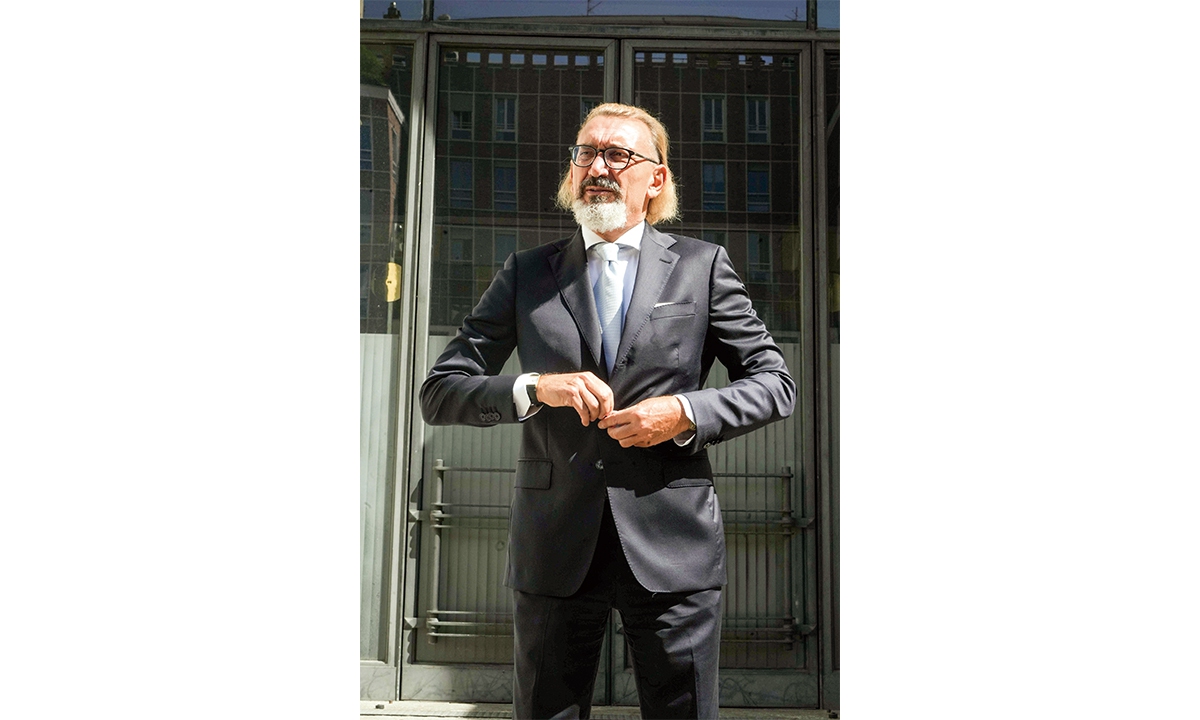
Matteo Liberali, president of Lu-Ve
On the same wavelength is Matteo Liberali, president of Lu-Ve, a Varese-based multinational that is among the top three global operators in air cooling technologies.The company was recognized as a reference model for investment development in China by an institutional delegation from Central China's Hubei Province.
"Lu-Ve was the first, and remains the only, Western company established in the city of Tianmen, [Hubei Province]. This makes us particularly proud and confirms the validity of our strategic choices," Liberali stated.
"Collaboration with local institutions has proven fundamental for the development of our activities and for consolidating our presence in a crucial market like China."
Starting from the premise that, on average, air conditioning and cooling represent about 15 percent of global electricity demand, with peaks of up to 50 percent, Lu-Ve is strongly committed to maximizing energy efficiency in factories, buildings, and plants, which is essential for safeguarding the planet, reducing environmental impact, and improving the competitiveness of companies.
An example is the new plant in Tianmen dedicated to producing cooling systems for data centers and power generation.
It represents a strategic hub in two high-growth sectors in which Lu-Ve pursues its vision of technological innovation and sustainability globally, with low environmental impact and high energy efficiency solutions.
RELATED ARTICLES