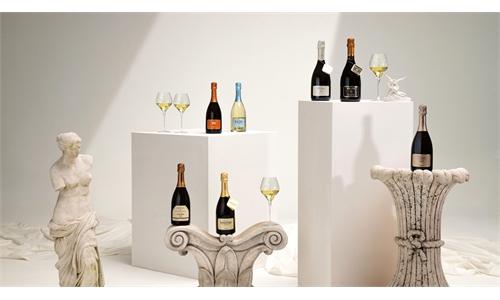
Imported sales slump, but sparkling white finds a ‘spritz’ of opportunity
Bubbling success, new entrant secures Chinese market


Ottavia Giorgi Vistarino Photo: Courtesy of MF/Milano Finanza
The consumption of imported wine in China in 2024 and the first two quarters of 2025 has experienced a setback or, at least, a significant slowdown compared to the reference year typically used for comparison, namely 2019, the year right before COVID.At first glance, this seems to be due to a generalized decline in consumption, but a deeper analysis reveals a series of contributing factors. The main emerging phenomenon not to be overlooked is the competition with wine produced in China, not so much with traditional wineries but with those located in certain regions that are on par with European or New World levels, both in terms of terroir and wine-making technology.
The five foreign countries that consistently compete for the top positions in the rankings are France, Australia, Chile, Italy, and Spain. How they have ranked has depended on various factors over time, but the trend of decreasing imported liters in volume remains clear despite the more favorable customs treatment enjoyed by products from Australia and Chile.
Australia, one of the largest wine exporters to China, suffered a considerable decline three years ago when political and commercial relations with China soured. At that time, Australia drastically reduced its exports, and for several months, wine stored in bonded areas of ports struggled with distribution due to the loss of preferential customs tariffs.
In 2024, with the reconciliation of diplomatic relations, Australia returned to being a top exporting country and regained the top position in the ranking with a market share of 26.45 percent.
Chile's third position in the alternating primacy between France and Australia is attributable to an agreement between the two countries signed about 10 years ago, which regulated the trade exchange of raw materials (Chile is one of the world's largest copper producers) with Chinese investments and purchases of wine, fruits, and seafood.

Giovanni Busi Photo: Courtesy of Canio Romaniello
Moreover, in Chile, the regulations regarding sugar use do not impose limits as in Italy, and the alcohol content can be increased, benefiting the selling price (products with the same alcohol content are more competitive).It is also worth noting that New Zealand, considered a New World producer, is rapidly climbing the rankings and could enter the top five producers, marking a 47 percent increase in the first six months of this year, although with a reduction in terms of value.
Italy has always occupied a position between fourth and fifth place in this expanded podium. By the end of the second quarter of 2025, it returned to fourth place with 4.271 million liters imported and a market share of 9.34 percent.
"We have been organizing roadshows in China for at least 15 years to promote our companies," recalled Giovanni Busi, president of the Chianti Wine Consortium.
"Our product consumption was growing significantly. Then COVID hit, and it was back to square one. Now we are starting again, but there are opportunities, and we must continue to present ourselves."
The opening of the Verona Fiere office in Shanghai in 2018 to represent the Vinitaly brand and the frequent participation in trade fairs, as well as the organization of Vinitaly International roadshows in major Chinese cities, has contributed to spreading awareness and knowledge of Italian products.
"But the market is changing at this moment," noted Simone Incontro, general manager of Greater China at Verona Fiere, the architect of all the initiatives in recent years to promote Made in Italy products.
"Firstly, the consumption of red wine, used for ceremonies and banquets, has been eliminated. Consequently, from the Beijing area to all of northern China, this category of consumption has been undermined. However, the consumption of robust red wines remains vital in the Greater Bay Area and coastal regions," Incontro specified.
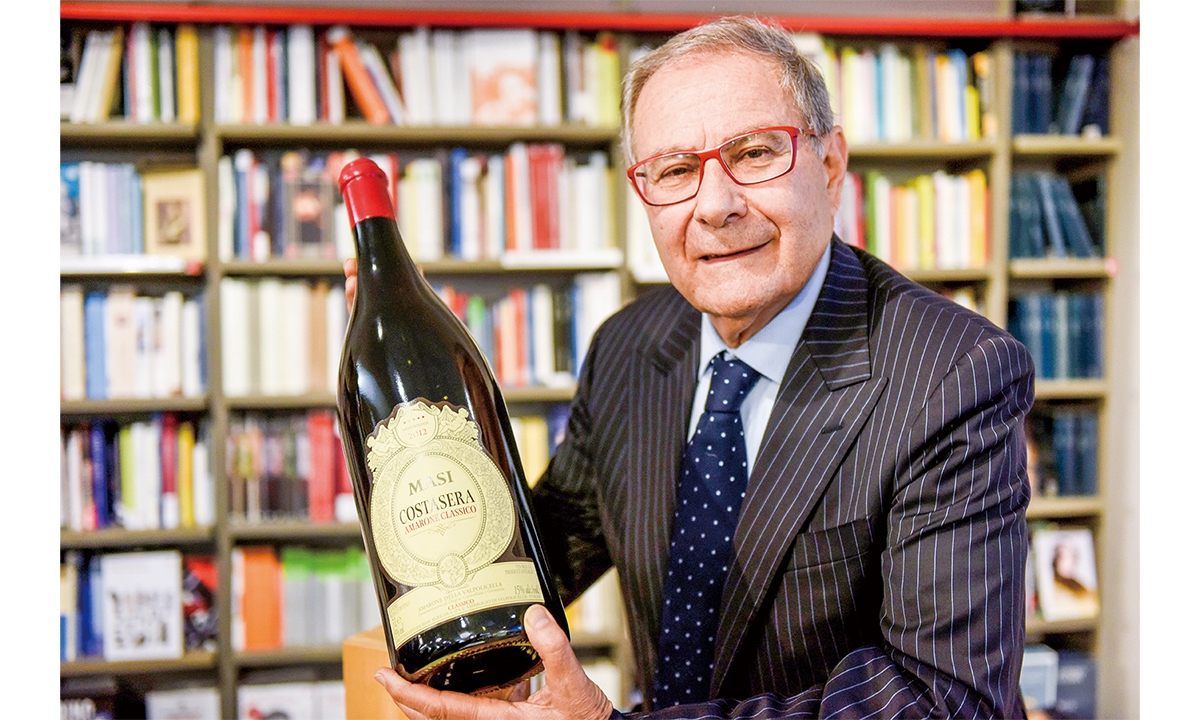
Sandro Boscaini Photo: Courtesy of Sergio Oliveiro
Another important aspect analyzed by the China Alcoholic Beverage Industry Association is the shift from retail sales in physical stores to online sales, which, with digital platforms, has revolutionized the distribution of alcoholic products, particularly for the premium segment and imported brands. This fact is correlated with the consumption of alcoholic beverages among Gen Z youth, who prefer those with low alcohol content and ready-to-drink products.Wine, however, occupies a very limited market share among alcoholic beverages in China, just 3.4 percent in volume and slightly more, 4.8 percent, in value. Until recently, red wine in southern China was consumed diluted with a can of Sprite.
Subsequently, there were moments, concerning Italy, of the spread of Moscato and sweet and aromatic red wines from the Consortium for the Protection of Brachetto d'Acqui, with a preferential direction for ladies-wine, wine for women.

The hills of Valdobbiadene near Conegliano in Veneto, where the famous Prosecco is produced Photo: Courtesy of MF/Milano Finanza
Today, it is the time for still whites, and New Zealand bears witness to this with its Sauvignon Blanc, while Italy is experiencing a Prosecco boom with dual use: wine by the glass in the catering sector and a base for mixology for Spritz and other cocktails.Italy has a variety of still whites from South Tyrol to the whites of Etna, which can effectively meet the new demand from Chinese consumers. The product is not lacking; today, the focus must be on persuasion through social media and perhaps influencers who do not limit themselves to the usual clichéd statements regarding the intrinsic content of the product but instead emphasize the underlying culture and tradition. On the other hand, the terroir of the Old World is indispensable and should be considered an intangible heritage, as Sandro Boscaini, president of Masi Agricola, which produces the king of Amaroni in Italy, reminded us.
RELATED ARTICLES