BRASIL 247 / MORE
Brazil reaches historic low in poverty and inequality as household income rises 70%
Ipea study attributes progress to stronger labor market and expanded social programs
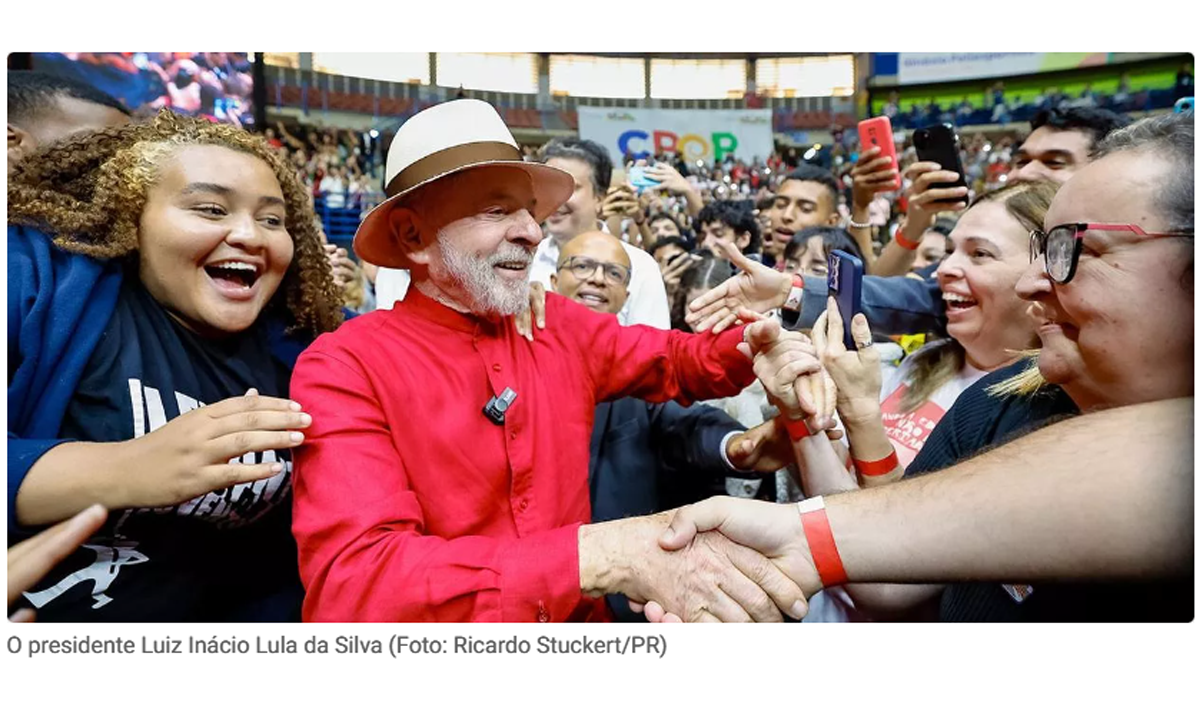
Photo: screengrab from the official website of Brasil 247
By Brasil 247 - Brazil reached in 2024 the highest levels of household income and the lowest levels of poverty and inequality ever recorded since national household surveys began in 1995, according to a new study released on Tuesday by the Institute for Applied Economic Research (Ipea). The findings, reported by Brasil 247, show that the country experienced a rapid and simultaneous improvement in all key social indicators.
The study, authored by Pedro Herculano Souza and Marcos Dantas Hecksher, shows that over the last 30 years Brazil's per-capita household income increased by around 70%, inequality measured by the Gini index fell by almost 18%, and extreme poverty plunged from 25% to less than 5% of the population. The researchers highlight that progress was not linear. The strongest improvements occurred between 2003 and 2014, and again between 2021 and 2024, when all indicators reached their best historical levels.
The report notes that the years between 2014 and 2021 were marked by recession, slow recovery, and the severe impact of the pandemic. In 2021, per-capita income fell to its lowest point in a decade. However, conditions shifted significantly afterward: between 2021 and 2024, real average income rose more than 25%, marking the fastest three-year increase since 1994. At the same time, inequality fell sharply. "The results show that it is possible to greatly reduce poverty and inequality, but that different approaches must be combined to achieve these fundamental national goals", Hecksher said.
The researchers attribute the improvements from 2021 to 2024 to two main drivers: a stronger labor market with more jobs and higher wages, and the expansion of income-transfer programs. According to the study, both factors contributed almost equally to reducing inequality and extreme poverty. They note that social programs became more effective in reducing disparities after 2020, though their dynamic effect weakened in 2023-2024 as the expansion cycle came to an end. Even so, the labor market continued to play a decisive role in further lowering poverty and inequality during this period.
Because of the combination of economic growth and falling inequality, Brazil reached the lowest poverty levels ever measured in 2024. Still, 4.8% of the population lived below the extreme-poverty line of $3 per day, while 26.8% were below the poverty line of $8.30 per day.
The authors conclude that, after years of stagnation and setbacks, the recent period represents an important structural shift, with social indicators improving rapidly and simultaneously.
(Reported by Brasil 247 on November 25, 2025)
