双语新闻
“日本可能有数人遭辐射”,外交部回应
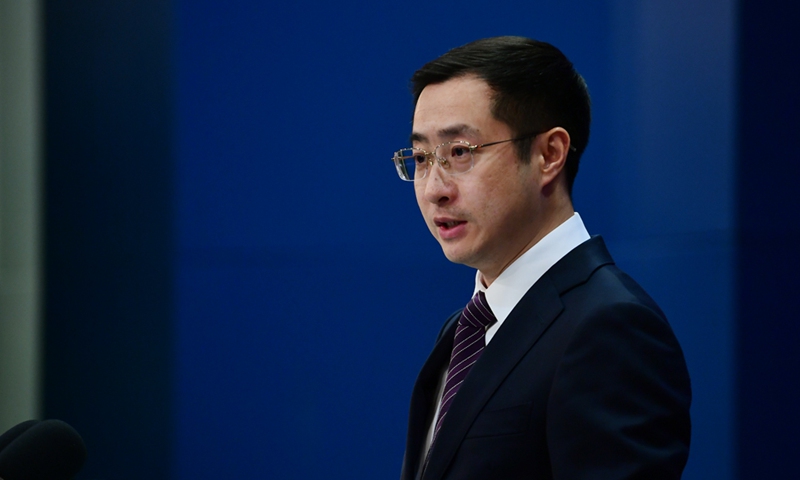
Photo: China Foreign Ministry's spokesperson Lin Jian
在24日举行的外交部例行记者会上,有媒体提问称,23日,位于日本福井县敦贺市、正在进行退役作业的“普贤”核反应堆发生含放射性物质的水泄漏事件。日本原子能规制委员会称,此次泄漏的水中放射性物质的浓度被认为“较高”,可能有数人遭到辐射。中方对此有何评论?
At a regular press briefing of China’s Ministry of Foreign Affairs on December 24, a media outlet asked about water containing radioactive substances leakage that occurred on December 23 at the Fugen nuclear reactor in Tsuruga City, Fukui Prefecture, Japan, which is currently undergoing decommissioning work. Japan’s Nuclear Regulation Authority said the concentration of radioactive substances in the leaked water was believed to be “relatively high,” and that several people may have been exposed to radiation. What is China’s comment?
对此,中国外交部发言人林剑表示,一段时间以来,日本福岛第一核电站出现辐射检测仪质检造假问题,青森县六所村的后处理厂乏燃料池冷却水发生外溢事故,接二连三的核设施安全事件令人关切。在核设施老化、管理混乱、监管不力等种种乱象之下,日方仍决定重启曾发生乏燃料池冷却水外溢事故的柏崎刈羽核电站,已经引发日本国内民众的反对和抗议。
In response, Chinese Foreign Ministry spokesperson Lin Jian said that for some time now, a series of nuclear facility safety incidents in Japan have raised concern, including fraud of quality inspection data for radiation detectors at the Fukushima Daiichi Nuclear Power Plant and an overflow accident involving spent fuel pool cooling water at the reprocessing plant in the village of Rokkasho, Aomori Prefecture. Against the backdrop of various problems such as aging nuclear facilities, chaotic management, and inadequate regulation, Japan has still decided to restart the Kashiwazaki-Kariwa Nuclear Power Plant, which previously experienced a spent fuel pool cooling water overflow incident, which has already sparked opposition and protests among the Japanese public.
他表示,中方敦促日方充分汲取福岛核事故教训,切实履行核安全责任,及时说明情况并采取措施,妥善处理核电站退役和放射性废物处置,自觉接受国际监督,减少国际社会担忧。此事进一步显示出,国际社会有必要继续加强对福岛核污染水排海管理和设备运行情况的全面监督监测,维护海洋环境安全。
Lin said that China urges Japan to fully draw lessons from the Fukushima nuclear accident, earnestly fulfill its nuclear safety responsibilities, promptly provide information and take effective measures, properly handle the decommissioning of nuclear power plants and the disposal of radioactive waste, and voluntarily accept international oversight so as to reduce concerns in the international community. This incident further demonstrates that the international community needs to continue strengthening comprehensive oversight and monitoring of the management of Fukushima nuclear-contaminated water discharge into the sea and the operation of related equipment, in order to safeguard the safety of the marine environment.
