ARTS / TV
20 years on, 'My Own Swordsman,' China's martial arts equivalent of 'Friends,' sparks nostalgia, wider discussion
By Published: Jan 02, 2026 03:51 PM

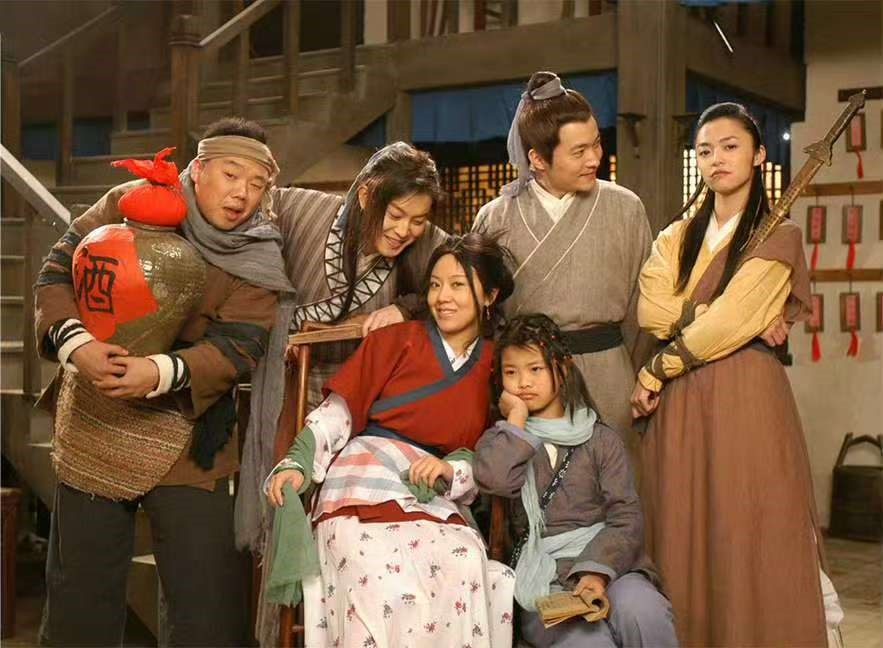
Promotional material of My Own Swordsman. Photo: Sina Weibo
"The first day of Xiao Guo regaining freedom..." With this post on China's X-like platform Sina Weibo, Chinese actress Yao Chen reignited a wave of nostalgia across social media on Friday, the day marking the 20th anniversary of the iconic costume comedy series My Own Swordsman (also known as Wulin Waizhuan), which premiered on January 2, 2006.

Photo: Snapshot of Yao Chen's Sina Weibo account
To many Chinese audience, My Own Swordsman is the martial arts equivalent of Friends, the popular US TV sitcom. Multiple topics related to the series, including "Guo Furong is finally free" and "20 years in the blink of an eye," dominated Weibo's trending charts throughout the morning.
The nostalgia frenzy centres on a classic plot from the series' first episode: Guo Furong, a fiery young martial artist played by Yao Chen, mistakenly identifies Tongfu Inn as a den of thieves, wreaks havoc, and incurs a debt of 48 taels of silver to the innkeeper Tong Xiangyu (played by Yan Ni).
Calculated at a monthly wage of 2 qian (a historical Chinese currency unit), Guo was bound to work at the inn for 20 years to repay the debt.
Two decades later, this fictional "work contract" has officially expired, triggering a collective emotional response among Chinese audiences.
Directed by Shang Jing and starring a cast including Yan Ni, Yao Chen and Sha Yi, My Own Swordsman is a costume comedy set in the fictional Qixia Town during the Ming Dynasty (1368-1644). It tells the story of a group of quirky and endearing young people from diverse backgrounds who gather at Tongfu Inn, sharing laughter, tears, and life lessons through their comedic daily interactions, chengdu.cn reported.
Unlike grand martial arts dramas with elaborate special effects, the series relies on witty dialogue and relatable characters, becoming a cross-generational favorite known as the "ceiling of electronic pickles" - a colloquial term for engaging content enjoyed while having meal, Capitalnews reported.
Upon its debut on CCTV-8 in 2006, the series achieved a ratings share of 1.95 percent which soared to 4.26 percent the next day and eventually peaked at 9.49 percent, a remarkable feat for a domestic sitcom at the time, according to the report.
Its memorable lines and iconic scenes remain cultural touchstones on Chinese social media. For example, the protagonists' signature martial arts moves, including the "Sunflower Acupoint Pointing Hand" and "Pai Shan Dao Hai" have become enduring "social conversation currency" online.
Shang Jing, the series' director, also joined the anniversary celebrations on his Weibo account on Friday morning, writing: "Dear friends of My Own Swordsman, may you be blessed with boundless fortune in the next 20 years..."
Netizens flooded social media with emotional comments. "I cried instantly; 20 years really passed in the blink of an eye," one user wrote.
A fan surnamed Xia told the Global Times on Friday that My Own Swordsman is the martial arts equivalent of Friends. He attributed the enduring love for My Own Swordsman to two reasons. First of all, with few standout domestic sitcoms in recent years, the show's innovative format and humor remain fresh even after two decades. In addition, nostalgia drives repeated viewings, as rewatching evokes poignant memories of first time viewing experiences.
"I still remember that during the finale's initial broadcast on Chinese New Year's Eve, children gathered to watch it separately from adults enjoying the Spring Festival Gala aired on CCTV," he recalled.
On December 18, 2025, the series' official Weibo account announced that a 20th-anniversary stage adaptation would premiere in 2026, though details such as the cast and tour cities have not yet been confirmed. Many fans expressed hope for a reunion of the original cast.
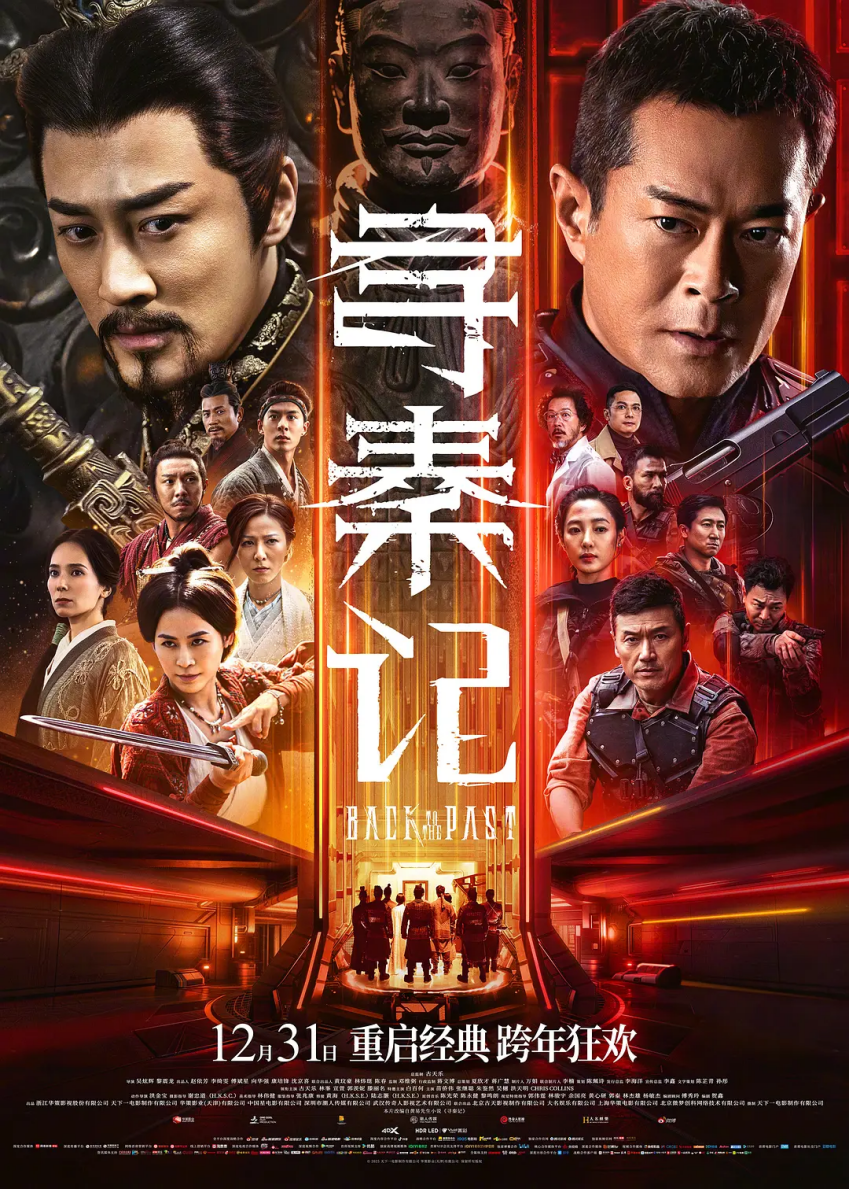
Promotional material of Back to the Past. Photo: Douban
Around the same time, film Back to the Past, adapted from novel of the same name, and continues the story of TVB's 2001 classic drama A Step into the Past, has aroused discussion among certain netizens .
Released during the 2025 New Year's Eve holiday period, Back to the Past has grossed 153 million yuan ($21.87 million) as of Friday noon, according to Chinese ticketing platform Maoyan.
Beyond nostalgia, discussions are also cantered on "nostalgia consumption" among China's middle-aged generation. However, despite the buzz, this demographic, which grew up with My Own Swordsman and A Step Into The Past, has raised the question of whether nostalgia alone can drive consumption.
"How many are still willing to buy a movie ticket for themselves and sit there to consume? When you have both elderly parents and young children to care for, getting middle-aged people to spend is quite difficult," a Beijing-based movie-goer surnamed Liu told the Global Times on Friday.
Economic data supports the view that middle-aged consumers prioritize family over personal spending. A 2024 report from the Economic Daily noted that post-80s spending is concentrated in areas such as children's educational materials, toys, health services, home improvement, and car accessories. While for personal spending, they tend to be more rational as they invest in self-improvement through books and professional courses.
Despite uncertainties surrounding nostalgia consumption, the enduring popularity of My Own Swordsman underscores its unique cultural significance.
As one netizen commented: "The story of Tongfu Inn ended long ago, but the warmth and strength it gave us never faded."
RELATED ARTICLES