BRASIL 247 / MORE
Mercosur-EU trade deal marks historic day for multilateralism, Lula says
Agreement is approved by a qualified majority of European Union member states
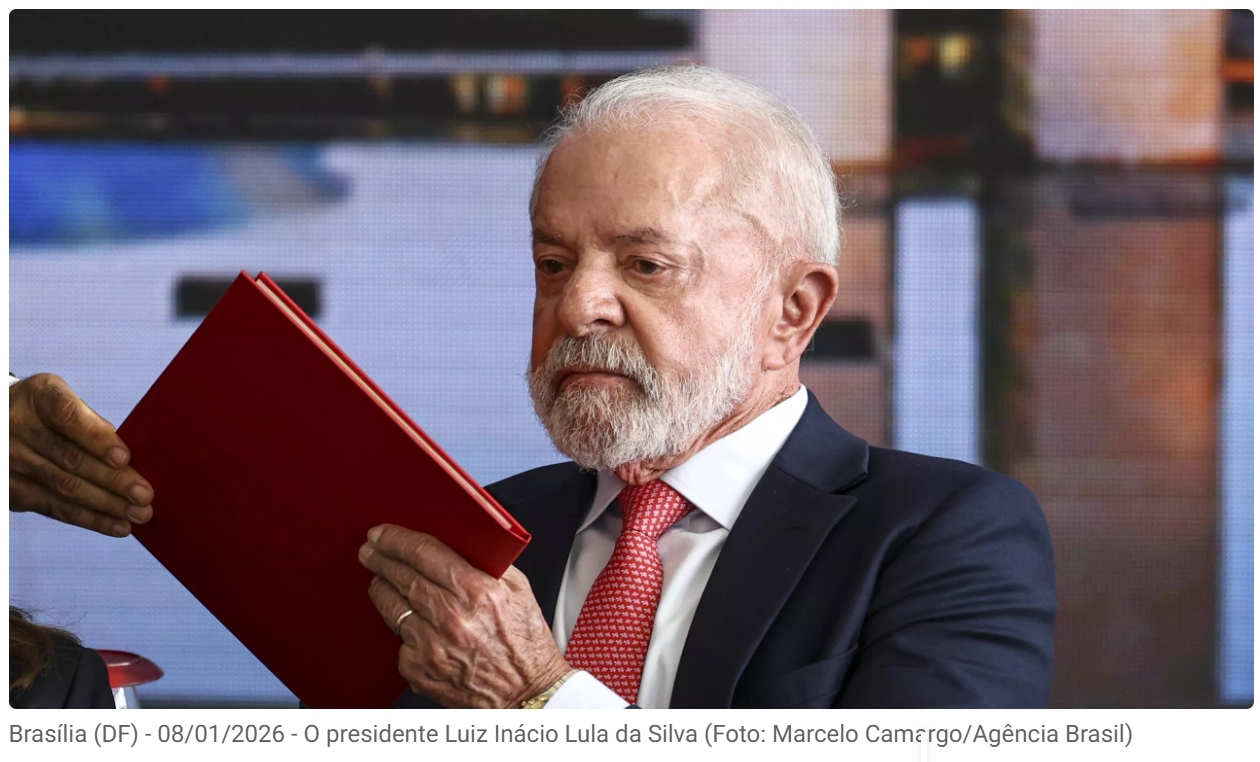
Photo: screengrab from the official website of Brasil 247
By Brasil 247 - Brazilian President Luiz Inácio Lula da Silva described the approval of the Mercosur-European Union Partnership Agreement as a "historic day for multilateralism" after the deal was endorsed on Friday by a qualified majority of EU member states. According to Brasil 247, the decision brings to an end more than two decades of negotiations between the South American bloc and the European Union. The Mercosur-EU trade agreement was confirmed by most European countries on Friday. Studies cited by Reuters indicate that, in the long term, the agreement could lead to an increase of close to 2% in Brazilian agribusiness output, with gains concentrated in sectors such as livestock, poultry, pork, vegetable oils and fats.
Lula said the agreement, which had been under negotiation for 25 years, will bring multiple commercial advantages to Mercosur countries and represents progress toward strengthening multilateralism. In a post on social media platform X, the president wrote: "A historic day for multilateralism. After 25 years of negotiation, the Mercosur-European Union Agreement was approved, one of the largest free trade agreements in the world." He added that the decision approved by the European side brings together two blocs that together represent 718 million people and a combined gross domestic product of US$22.4 trillion.
The treaty provides for broad tariff liberalization for industrial and agricultural goods, with phased reduction schedules that take into account the specificities and sensitivities of each market. Mercosur's offer includes the liberalization of around 91% of goods and 85% of the value of Brazilian imports from the European Union, while the European offer covers approximately 95% of goods and 92% of the value of imports originating from Brazil. The agreement also incorporates modern chapters on sustainability, government procurement, intellectual property and new technologies.
The deal is seen as a signal in favor of international trade at a time of rising protectionism and unilateral approaches in global relations. It expands options for Brazilian exports, facilitates European productive investments and simplifies trade rules for both sides, reinforcing dialogue, negotiation and cooperation between countries and regional blocs.
(Reported by Brasil 247 on Jan 9, 2026)
