ARTS / CULTURE & LEISURE
Ancient war chariots, weapons unearthed in latest Terracotta Army dig
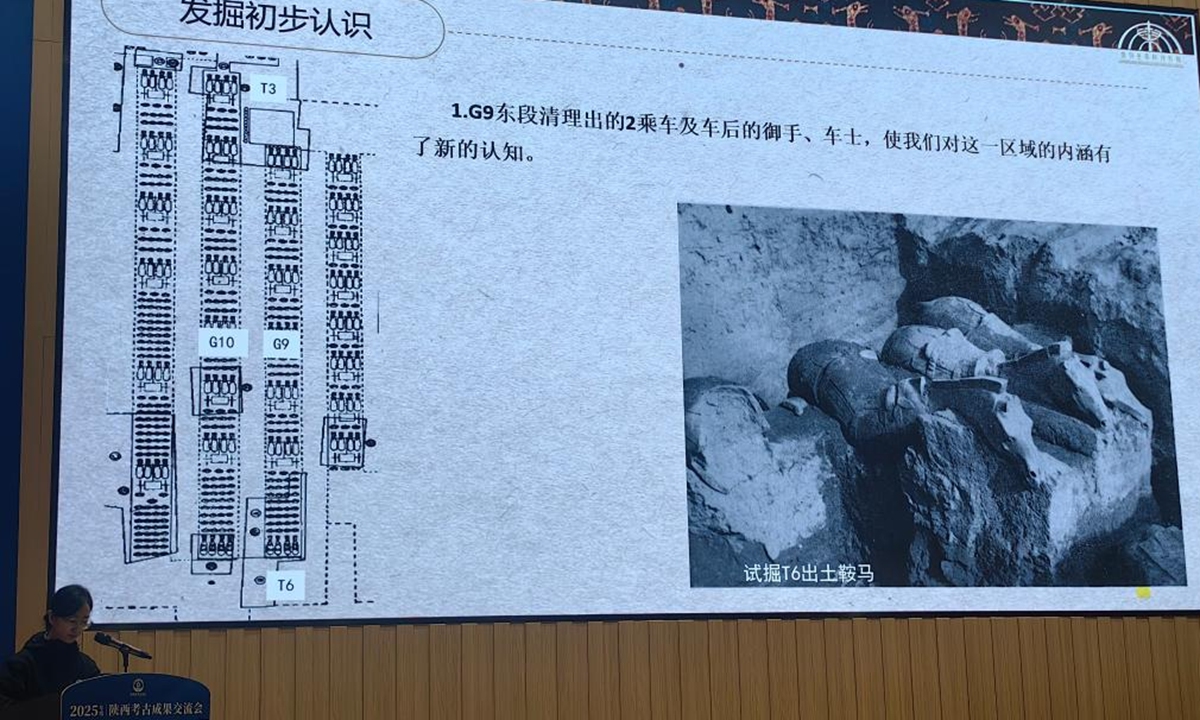
Two chariots, more than 20 pieces of weapons and ritual objects have been unearthed in Pit 2 of the Qin Terracotta Army, part of the Emperor Qinshihuang's Mausoleum Site Museum in Northwest China's Shaanxi Province, dating back to the Qin Dynasty (221-207 BC). Photo: Xinhua
Two chariots, more than 20 pieces of weapons and ritual objects have been unearthed in Pit 2 of the Qin Terracotta Army, part of the Emperor Qinshihuang's Mausoleum Site Museum in Northwest China's Shaanxi Province, dating back to the Qin Dynasty (221-207 BC), the Xinhua News Agency reported on Wednesday.The discovery was announced at the 2025 Shaanxi Archaeological Achievements Exchange.
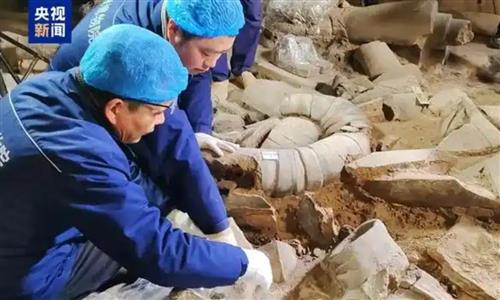
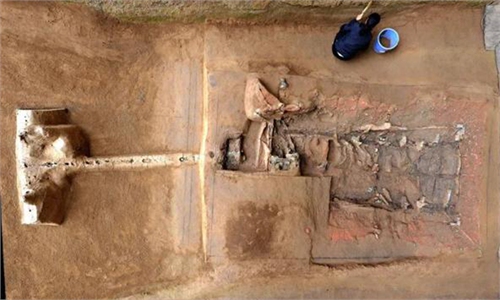
In 2025, the museum excavated the eastern section of Passage 9 in Pit 2, covering an area of about 30 square meters. The excavation yielded two chariots, 15 chariot and horse fittings, and nine weapons, per Xinhua.
According to Zhu Sihong, the project leader and research fellow at the museum, passage 9 should be considered part of the second unit of the chariot and infantry formation in Pit 2 based on the layout alone.
Archaeologists also noted that the chariots cleared from Passage 9 were missing their wheels, indicating that some chariots in the second unit of Pit 2 were buried without wheels. This finding suggests that these chariots served more of a symbolic than a functional role.
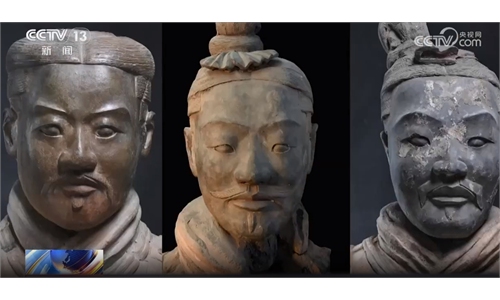
The layout of Pit 2 is L-shaped, covering an area of 6,000 square meters. Based on preliminary excavations, it is estimated that more than 1,300 terracotta warriors and horses are buried within the pit. Various types of figures have been unearthed so far, including chariot soldiers, cavalry, kneeling archers and standing archers. Most of the well-preserved painted figures also come from Pit 2, according to Xinhua.
The grand mausoleum itself is meticulously planned, holding immense historical, scientific, and artistic value.
The discovery of the Qin Terracotta Army in March 1974 shocked the world. The lifelike terracotta figures and the imposing military formations showcased the brilliance of ancient Eastern culture, earning the site the reputation of "the Eighth Wonder of the World" and "one of the greatest archaeological discoveries of the 21st century."
In 1987, both the Emperor Qinshihuang's Mausoleum and its terracotta pits were inscribed on the UNESCO World Heritage List.
Global Times
RELATED ARTICLES