ARTS / CULTURE & LEISURE
Spring Festival celebrations show perfect fusion of tradition, modernity: Egyptian sinologist
Editor's Note:
Chinese New Year, or the Spring Festival, is one of the most important traditional festivals in Chinese culture. It is about family reunions and welcoming the New Year with joy. In December 2024, the successful inscription of the Spring Festival on the UNESCO intangible cultural heritage list shows that it is not only a Chinese celebration but also a cultural treasure shared by all of humanity. This year, the Spring Festival falls on February 17. Ahead of the festival, the Global Times invited two renowned sinologists to write commentaries to share their own experiences in celebrating the Spring Festival, while also elaborating on their observations on why the Chinese New Year is increasingly becoming a festival celebrated across the world.
From my observations, the values embodied in the Spring Festival share profound similarities with other civilizations, including Egypt's - they all emphasize family reunion, hope, cleaning the home to welcome the new year, praying for blessings, exchanging gifts, and engaging in a rich array of celebratory activities. The Spring Festival represents humanity's universal longing for a better life, fresh beginnings, and renewed relationships. It resonates and intertwines with the deep-seated values found across many civilizations around the world. And it is partly because of such similarities that the Spring Festival has spread widely across the globe and become a universally recognized symbol of Chinese culture.
Meanwhile, the years of celebrating the Spring Festival have demonstrated that China is offering a model for maintaining spiritual and cultural cohesion in the era of globalization. These Spring Festival celebrations vividly demonstrate the perfect fusion of tradition and modernity. While firmly rooted in its cultural foundations, China infuses traditional practices with fresh vitality through modern technology, digital media, innovative artistic performances, and more, revitalizing them for the contemporary era and earning broad resonance among younger generations. Meanwhile, the festival also preserves the country's core values and spiritual essence. In this way, cultural heritage is no longer a dusty relic of the past but a living, evolving tradition - vibrant, intimately connected to the present, and actively embracing the world.
It is important to note that adhering to cultural roots is essential for building a strong sense of identity, fostering social cohesion, and preserving cultural heritage across generations. This helps enhance psychological and social stability for both individuals and society as a whole, while bridging the present with the past and the future.
Also, China's emphasis on building itself into a cultural powerhouse endows its modernization process with intrinsic depth, transforming it into a self-driven endeavor rather than one imposed by external forces.
In addition to the Spring Festival, there are other examples demonstrating that traditional culture can serve as a powerful driving force for future development and that innovating while inheriting, and inheriting through innovation allows a civilization spanning thousands of years to shine even more brilliantly in the contemporary world. For example, the Belt and Road Initiative draws profound inspiration from the ancient Silk Road, yet it deeply integrates historical wisdom with modern international cooperation and cutting-edge technology, and thus has become one of the most popular public goods.
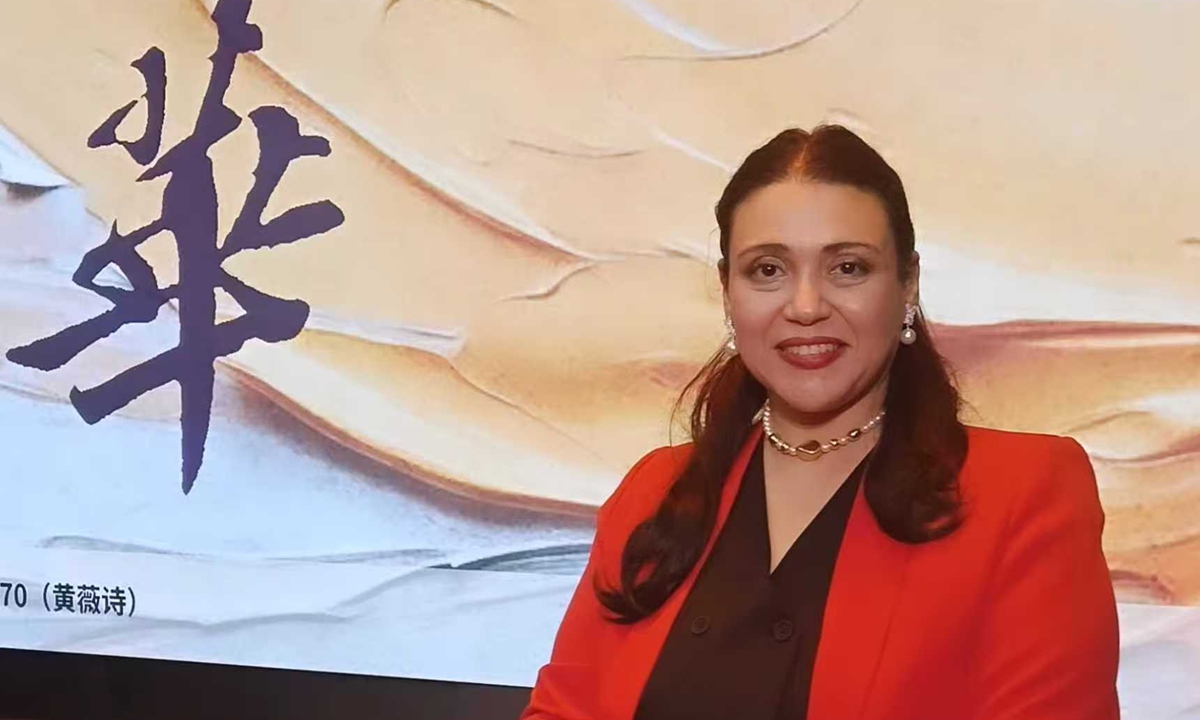
Mira Ahmed is a literary translator, sinologist, scholar on China-Arab comparative literature, and member of the World Sinologists Council
Chinese New Year, or the Spring Festival, is one of the most important traditional festivals in Chinese culture. It is about family reunions and welcoming the New Year with joy. In December 2024, the successful inscription of the Spring Festival on the UNESCO intangible cultural heritage list shows that it is not only a Chinese celebration but also a cultural treasure shared by all of humanity. This year, the Spring Festival falls on February 17. Ahead of the festival, the Global Times invited two renowned sinologists to write commentaries to share their own experiences in celebrating the Spring Festival, while also elaborating on their observations on why the Chinese New Year is increasingly becoming a festival celebrated across the world.
Mira Ahmed
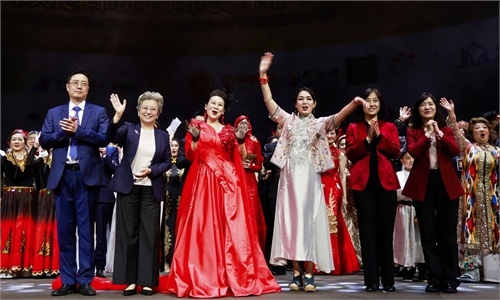
Among many unique customs cherished by the Chinese people, the Spring Festival undoubtedly holds the most prominent place. I have personally experienced the joy and festivity of the Spring Festival in Egypt and actively participated in its celebrations. That year, I attended a grand Spring Festival gala hosted by the China Cultural Center at Al-Azhar Park in the Egyptian capital of Cairo. The event was magnificent in scale and brimming with warmth and excitement. It was the first time I witnessed such a vibrant and lively Spring Festival celebration with my own eyes. I wandered through the celebration like a child, deeply moved by the song-and-dance performances, traditional paintings, and the overwhelming sense of joy that filled every corner. From that moment on, whenever the tradition of the Spring Festival comes to mind, the first thing I think of is "love and warmth."From my observations, the values embodied in the Spring Festival share profound similarities with other civilizations, including Egypt's - they all emphasize family reunion, hope, cleaning the home to welcome the new year, praying for blessings, exchanging gifts, and engaging in a rich array of celebratory activities. The Spring Festival represents humanity's universal longing for a better life, fresh beginnings, and renewed relationships. It resonates and intertwines with the deep-seated values found across many civilizations around the world. And it is partly because of such similarities that the Spring Festival has spread widely across the globe and become a universally recognized symbol of Chinese culture.
Meanwhile, the years of celebrating the Spring Festival have demonstrated that China is offering a model for maintaining spiritual and cultural cohesion in the era of globalization. These Spring Festival celebrations vividly demonstrate the perfect fusion of tradition and modernity. While firmly rooted in its cultural foundations, China infuses traditional practices with fresh vitality through modern technology, digital media, innovative artistic performances, and more, revitalizing them for the contemporary era and earning broad resonance among younger generations. Meanwhile, the festival also preserves the country's core values and spiritual essence. In this way, cultural heritage is no longer a dusty relic of the past but a living, evolving tradition - vibrant, intimately connected to the present, and actively embracing the world.
It is important to note that adhering to cultural roots is essential for building a strong sense of identity, fostering social cohesion, and preserving cultural heritage across generations. This helps enhance psychological and social stability for both individuals and society as a whole, while bridging the present with the past and the future.
Also, China's emphasis on building itself into a cultural powerhouse endows its modernization process with intrinsic depth, transforming it into a self-driven endeavor rather than one imposed by external forces.
In addition to the Spring Festival, there are other examples demonstrating that traditional culture can serve as a powerful driving force for future development and that innovating while inheriting, and inheriting through innovation allows a civilization spanning thousands of years to shine even more brilliantly in the contemporary world. For example, the Belt and Road Initiative draws profound inspiration from the ancient Silk Road, yet it deeply integrates historical wisdom with modern international cooperation and cutting-edge technology, and thus has become one of the most popular public goods.
Mira Ahmed is a literary translator, sinologist, scholar on China-Arab comparative literature, and member of the World Sinologists Council
RELATED ARTICLES