ARTS / CULTURE & LEISURE
Nearby construction halted for better preservation of local Song Dynasty tomb
By Published: Feb 23, 2026 10:32 PM

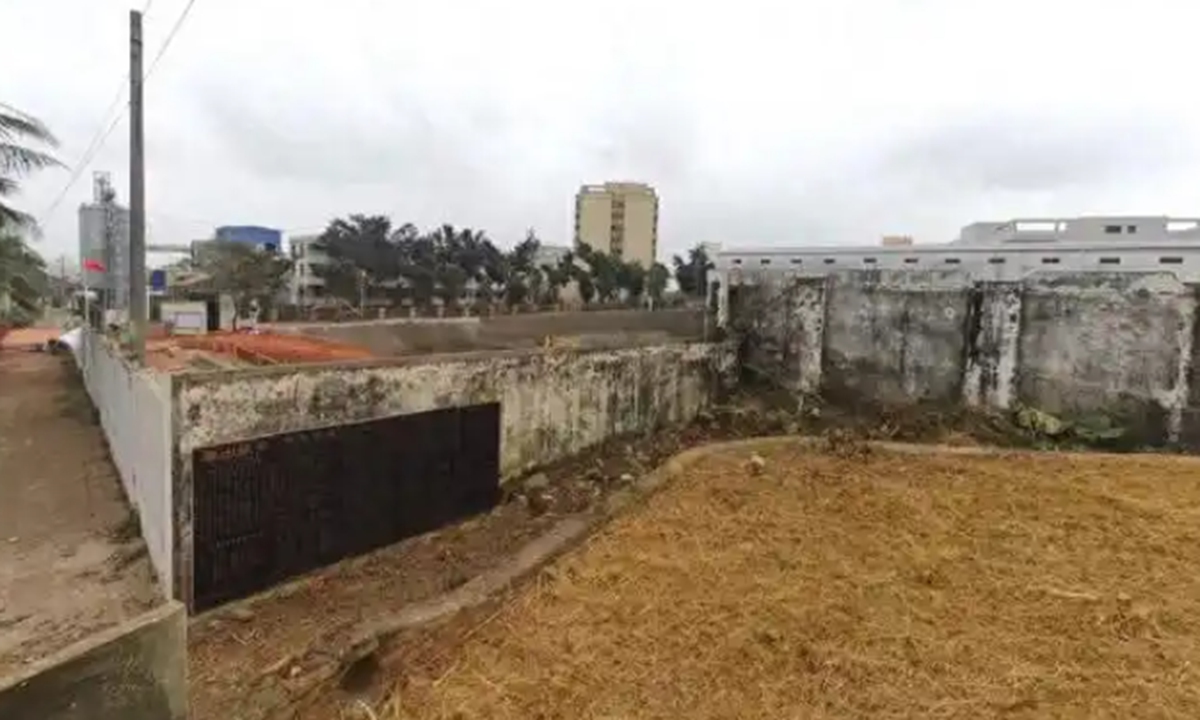
Tang Zhen tomb Photo: VCG
Recently, concerns arose among Chinese netizens over possible damage to a Southern Song Dynasty (1127-1279) tomb in Haikou, South China's Hainan Province, following reports that nearby construction work may threaten the tomb's security. In response, the Hainan Province Department of Tourism, Culture, Radio, Television and Sports issued a statement on Sunday announcing that construction affecting the safety of the tomb must be halted immediately in accordance with laws and regulations to ensure the preservation of the cultural relic.The official notice, published on the department's WeChat account, indicated that relevant authorities had already dispatched specialists to Haikou to verify the situation on the ground in coordination with the provincial Institute of Cultural Relics and Archaeology. The authorities also contacted the descendants of the tomb's occupants to fully understand their concerns.
To strengthen protection of the tomb, the notice further required relevant parties to review the legal and historical basis for the boundaries of the site, including all previous designations as a protected unit. Special emphasis was placed on engaging with the descendants of the tomb's owner to consider their request for the restoration of the previous protective boundary. The measures will combine historical research with documentary evidence, and will follow legal and regulatory procedures to propose adjustments to the protected area, with the Haikou municipal government responsible for initiating the review and adjustment process.
According to publicly available information, the tomb in question belonged to Tang Zhen, an official of the Southern Song Dynasty. The Tang Zhen tomb is recognized as the core of a group of tombs from the same era, and has been designated as a city-level cultural relic under the protection of Haikou authorities.
Prior to the provincial department's notice, the bureau of cultural relics of Haikou had already responded to public concerns in early February. The bureau stated that the boundaries of the tomb cluster's protected area had been reevaluated and demarcated according to scientific standards and legal requirements. Local authorities also said that all construction in the surrounding area had been thoroughly inspected, with supervision and protective measures reinforced to safeguard the site, according to the Guangming Daily.
Cases in which construction projects encroached upon the protected range of historic sites have often sparked debate over how to balance urban development with cultural preservation. In this context, Liu Zheng, a member of the Chinese Society of Cultural Relics, told the Global Times on Tuesday that three measures are essential to reinforce the protection of such cultural heritage sites.
"First, we need to strengthen legal education concerning cultural relic protection to ensure that more people are aware of and comply with the law," Liu said. "Second, regular and comprehensive supervision and monitoring must be enhanced so that any violations can be identified and reported in a timely manner. Third, any illegal behavior should be punished in accordance with the law, which will serve as a deterrent for potential violators."
RELATED ARTICLES