Exclusive: China emerges as key innovation, advanced manufacturing hub for German firms, German chamber representative says during Chancellor's visit
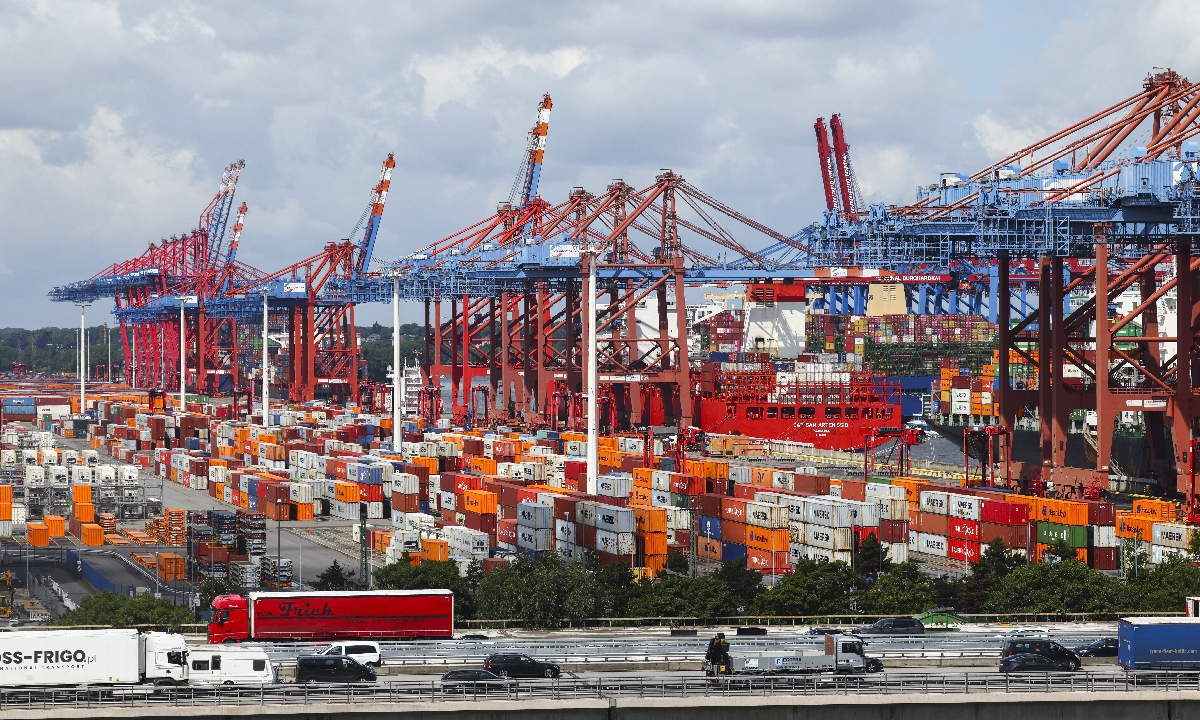
A view of port of Hamburg, Germany, on July 29, 2025 File photo: VCG
China has been a very relevant market for products and services for decades, be it Made in Germany or locally, and now, China is growing increasingly important for German companies as a hub for innovation, research and development and advanced manufacturing, said Executive Director & Board Member of the German Chamber of Commerce in China-North China Oliver Oehms, in an exclusive interview with the Global Times on Wednesday.
The remarks were made as German Chancellor Friedrich Merz arrived in Beijing on Wednesday for an official visit to China through Thursday, marking his first visit to China since he took office.
Speaking of Merz's visit to China, the German business representative said that "We hope the visit will lead to pragmatic exchanges between the two governments - also after the visit."
On a further note, Oehms said that the member companies of the German Chamber of Commerce in China wish the Chancellor to address some of their current challenges, including supply chain stability and reliability. But probably he will also take home the understanding of the dynamic and competitive Chinese business environment, and the role that German-Chinese cooperation can play therein, he said.
Oehms noted the importance of the Chinese market for German businesses. "To leverage knowledge and grow business many of our member companies collaborate with Chinese firms," he said.
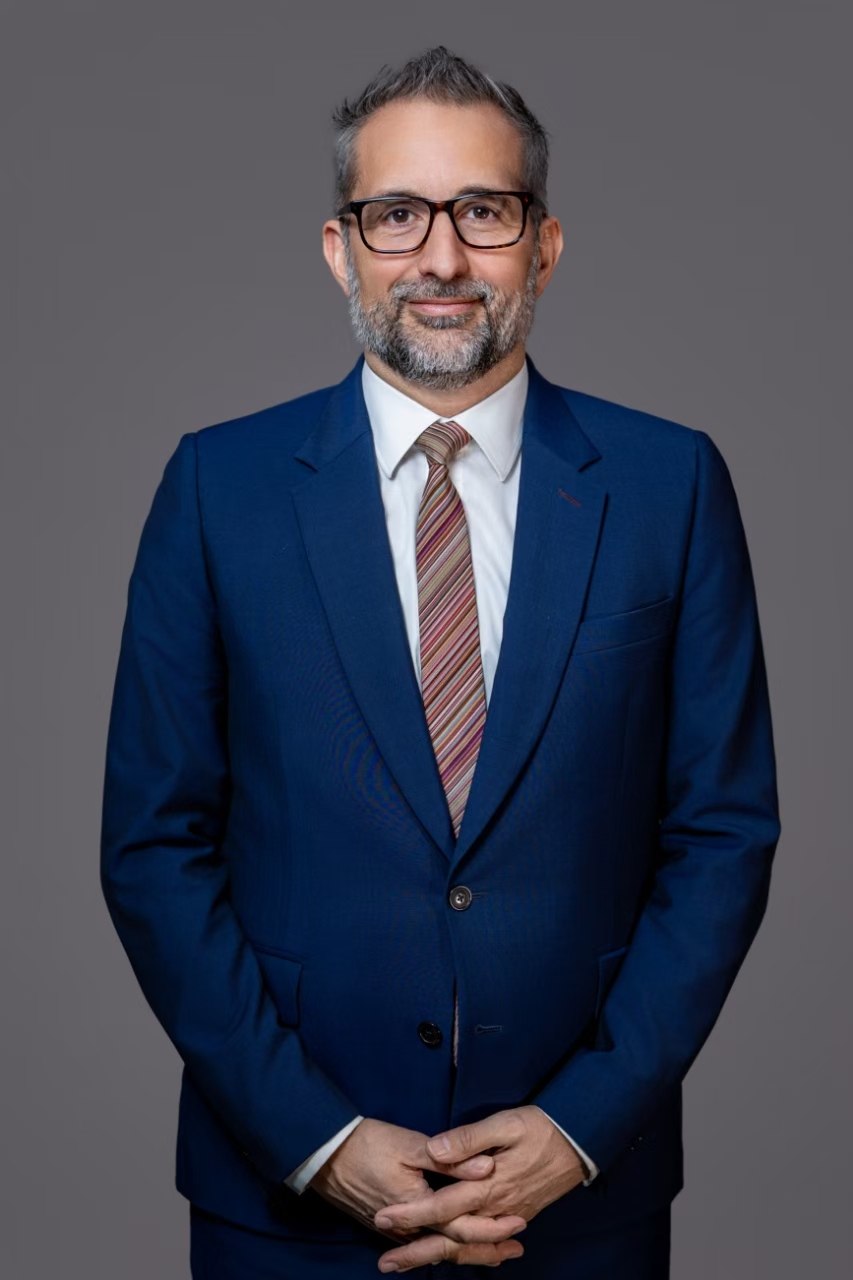
Oliver Oehms, Executive Director & Board Member of the German Chamber of Commerce in China-North China Photo: Courtesy of Oliver Oehms
German companies operating in China have grown more optimistic about their business outlook and plan to deepen cooperation with Chinese partners, an annual survey released by the German Chamber of Commerce in China in December showed, underscoring stronger engagement in their biggest Asian market, the Xinhua News Agency reported.
The German chamber said in its 2025-26 business confidence survey that 93 percent of respondents intend to remain engaged in the Chinese market, reflecting greater optimism than a year ago.
About 65 percent said they are confident about China's economic development over the next five years, while most of the remainder maintained a neutral view.
In 2025, China-Germany trade saw a steady growth, surpassing 1.51 trillion yuan ($219.35 billion), up 5.2 percent year-on-year, according to data from China's General Administration of Customs. Of them, China's exports to Germany increased by 11.1 percent, underscoring the strong demand of the Chinese goods in the German market.
Over more than 50 years since the establishment of diplomatic relations between China and Germany, bilateral economic and trade cooperation has continued to deepen, a spokesperson of China's Ministry of Commerce said on Tuesday when commmenting on Merz's visit.
Germany has consistently been China's largest trading partner and source of foreign investment in Europe. The two countries' industries are highly integrated, and the foundation for cooperation has been steadily strengthened, the spokesperson said, adding that in recent years, China-Germany trade has remained above $200 billion, while the stock of two-way investment has exceeded $65 billion, each accounting for nearly one quarter of the overall total between China and the EU.
Against the backdrop of rising global unilateralism, particularly increasing US tariff measures, Merz's visit holds its particular significance. "While US-China trade measures have affected and are still impacting our member companies, we are confident that such high-level visit sends a positive signal, as good political relations are a necessary foundation for the business success of German companies in China," Oehms said.
"China matters as a business partner, this should be a key message, despite other critical topics that the Chancellor might address," the German business representative said.
RELATED ARTICLES