ARTS / CULTURE & LEISURE
New initiatives to revitalize stage dramas, addressing individualized market demand
By Published: Mar 01, 2026 07:51 PM


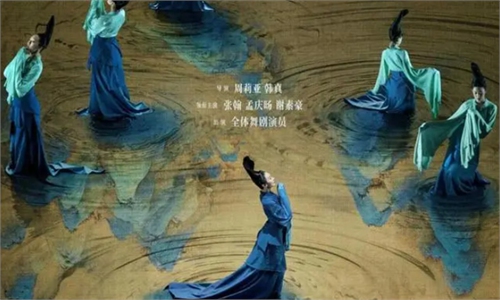
The Wuju Opera Three Attacks on the White Bone Demon Photo: VCG
The unveiling of the "Ten Major Initiatives" to revitalize stage dramas by the China Theatre Association on Saturday marks a pivotal step to breathe new life into China's traditional performing arts. Aligned with a three-year action plan by Chinese authorities to revitalize the theatrical arts, starting from 2026, these measures are not merely a response to top-level design but a direct engagement with the profound challenges facing the industry today.While some troupes grapple with survival, innovative works such as the Yueju Opera New Dragon Gate Inn, the Wuju Opera Three Attacks on the White Bone Demon, and the Beijing Quju Opera Nine-Layered Palace have demonstrated that creativity can captivate modern audiences. This duality of anxiety and optimism precisely defines the necessity and feasibility of "revitalization." It is not about mere preservation, but about ecological transformation and the reconstruction of what makes stage dramas valuable.
At its core, the revitalization of stage dramas must address a fundamental disconnect: traditional forms, suitable for past socio-cultural contexts, now struggle to keep pace with today's fast-paced, diverse, and individualized society. The rhythm, themes, techniques, and aesthetic expressions of classical theater are often distant from contemporary life. Thus, revitalization in the new era is essentially an exercise in "creative transformation and innovative development."
It is a process of inheritance, adaptation, original creation, and even natural selection. It is aimed at fostering a high-quality, dynamic ecosystem, which means encouraging troupes and theatrical genres that boldly embrace change, while accepting that those slow to adapt may fade away. It is through such creative competition that artistic life renews itself.
To drive this transformation, multiple strategies must converge. First, successful innovations must be systematically studied and introduced to various troupes. Recent hits on the stage have broken new ground in narrative pacing, audiovisual language, stage technology, and alignment with contemporary values. These breakthroughs need to be analyzed, summarized, and popularized, transforming isolated successes into replicable models that guide more troupes toward meaningful innovation.
Second, innovation begins with creation and relies on talent. The lack of quality scripts plaguing theater and film alike can only be alleviated by encouraging creators to delve deeply into our times and the richness of life. Training programs should go beyond artistic technique, broadening vision and intellectual horizons, and inspiring works that draw from both vibrant contemporary practice and profound historical culture.
Moreover, the cost and pain of transition must be acknowledged. Artistic exploration, organizational restructuring, and shifts in mindset all entail risk. Policy support, whether to preserve rare schools, nurture talent, expand markets, or carry out grassroots outreach, should be precisely targeted. Such support can help troupes navigate transition periods, minimize disruption, and allow creative energy to flourish.
The initiatives, which span award mechanism reform, script development, support for endangered genres, grassroots engagement, and global outreach, form a systematic framework to address these very challenges. They signal that China's stage drama revival has moved from directional advocacy to a detailed, actionable "construction blueprint."
The initiatives reflect a more proactive and conscious effort to enter a new phase, where cultural heritage is sustained through creative transformation. The success of this endeavor will ultimately depend on whether all stake-holders can combine cultural confidence with innovation, turning this blueprint into a thriving, vibrant reality on and off the stage.
The author is a reporter with the Global Times. life@globaltimes.com.cn
RELATED ARTICLES