ARTS / CULTURE & LEISURE
‘Trading fat for beef’ event launched to promote public weight management
By Published: Mar 15, 2026 09:34 PM
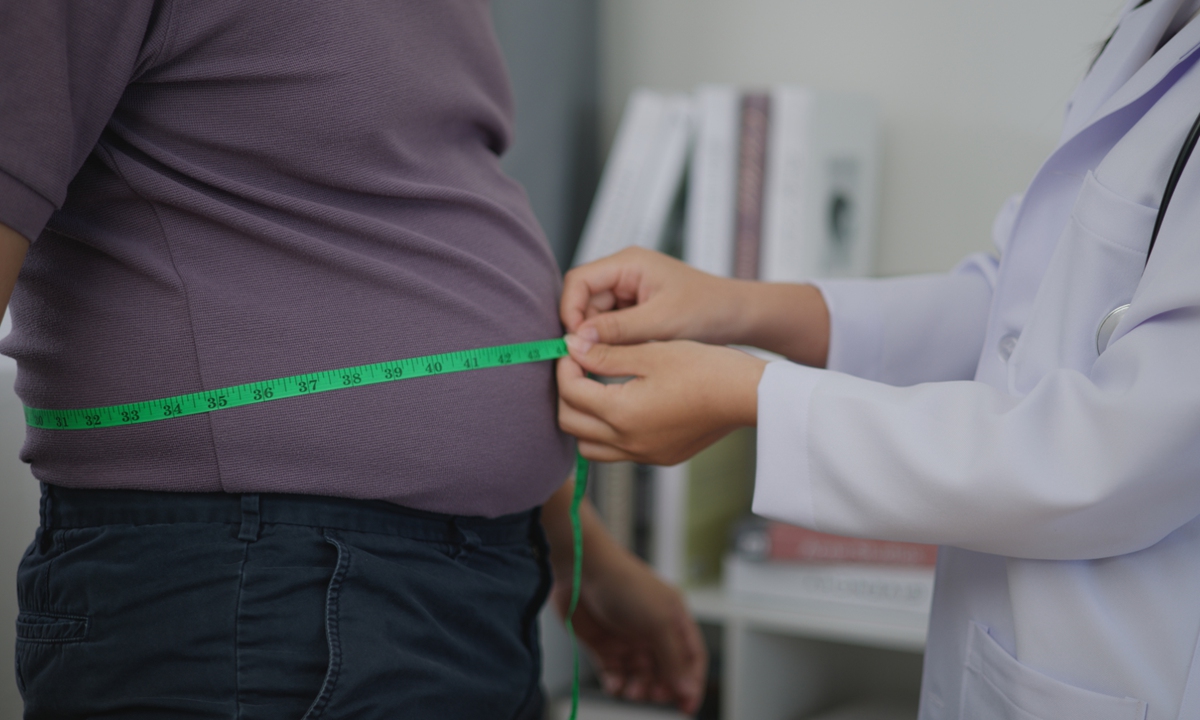
Photo: VCG
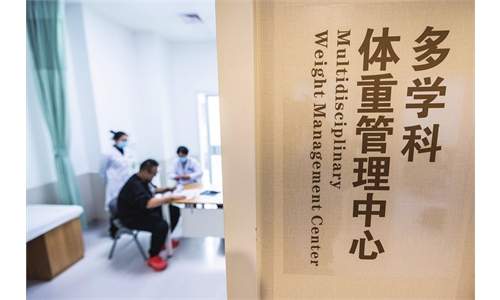
So long as your health records show "obesity," you can exchange the weight you lose for beef, beef bones, or oxtail. This is not a movie plot, but an actual activity taking place in the Liangxi district in Wuxi, East China's Jiangsu Province. So far, more than 2,000 people have signed up. The weight loss challenge will continue until December 31, and participants will weigh in and claim prizes from January 1 to 10, 2027.The event has drawn widespread attention on Chinese social media, breaking beyond its local area. Some traditional methods to promote weight management such as posters or lectures about BMI (Body Mass Index), sugary drinks, or exercise often feel dry. The new approach has been seen as a more practical one - offering something real, something people value in their everyday life. By letting people trade "fat for beef," this campaign transforms losing weight from a boring duty into an active, even fun, pursuit.
The rules for the weight loss challenge are clear: Participants' BMI and waist circumference must meet certain criteria. For every half kilogram lost, participants can exchange that amount for either half a kilogram of beef or one and a half kilograms of beef bones. The more weight lost, the more advanced the prize: Losing one kilogram can be swapped for half a kilogram of oxtail. The total weight loss eligible for these prize exchanges is capped at 10 kilograms per participant. From March 23 to March 27, participants will have their initial weight recorded at a designated venue, where a personal weight loss record will be established, according to the reports.
Organizers explained that the reason for using beef as a reward is that beef helps people who exercise to lose weight build muscle and shape their bodies, which fits with the campaign's goal of promoting a healthy lifestyle.
Reports said that the event is not just a contest to win prizes; it is designed to promote overall health. Organizers will set up online groups for scientific weight loss guidance where participants can check in daily, share low-fat meal ideas, and receive health tips.
This kind of incentive-driven activity can indeed raise public awareness about weight management, allowing the process of losing weight become a more engaging public effort through rewards. Such activities help more people start paying attention to their own health, Luo Chaofan, a rehabilitation therapist with China's National Health Commission, told the Global Times on Sunday.
Luo noted that this kind of innovative approach has positive potential, and can be promoted further with proper standardized health guidance.
China is intensifying efforts to tackle rising obesity rates by adding a nationwide weight management campaign to its Healthy China initiative, a comprehensive public health strategy launched in 2019 to improve national health outcomes. In early April 2025, China's National Health Commission announced a new nationwide weight management campaign that sets goals through 2030, aiming to create supportive environments, boost public awareness and skills, promote healthy lifestyles, and slow the country's rising obesity rates.
No matter what approach is used, scientific methods remain vital to effective weight control. Sustainable weight loss comes from building long-term healthy habits. According to Luo, it is important to choose foods that are low in energy density but high in volume, such as vegetables, fruits, and whole grains, which reduce overall calorie intake while still effectively satisfying one's hunger.
The expert also recommended keeping a regular eating schedule and avoiding extreme dieting, as crash diets are difficult to keep up and may harm one's metabolism. At the same time, proper exercise, sufficient sleep, and a balanced daily routine are essential parts of good weight management.
Weight management should not be an uphill battle full of frustration and blame. With creative, people-oriented activities and strong public support, communities can help more people take control of their health - turning personal breakthroughs into public progress.
The author is a reporter with the Global Times. life@globaltimes.com.cn
RELATED ARTICLES