SPORT / FEATURE
China’s rising freestyle skiing star Li Fanghui sets sights on top spot at next Winter Olympics
Next goal: gold
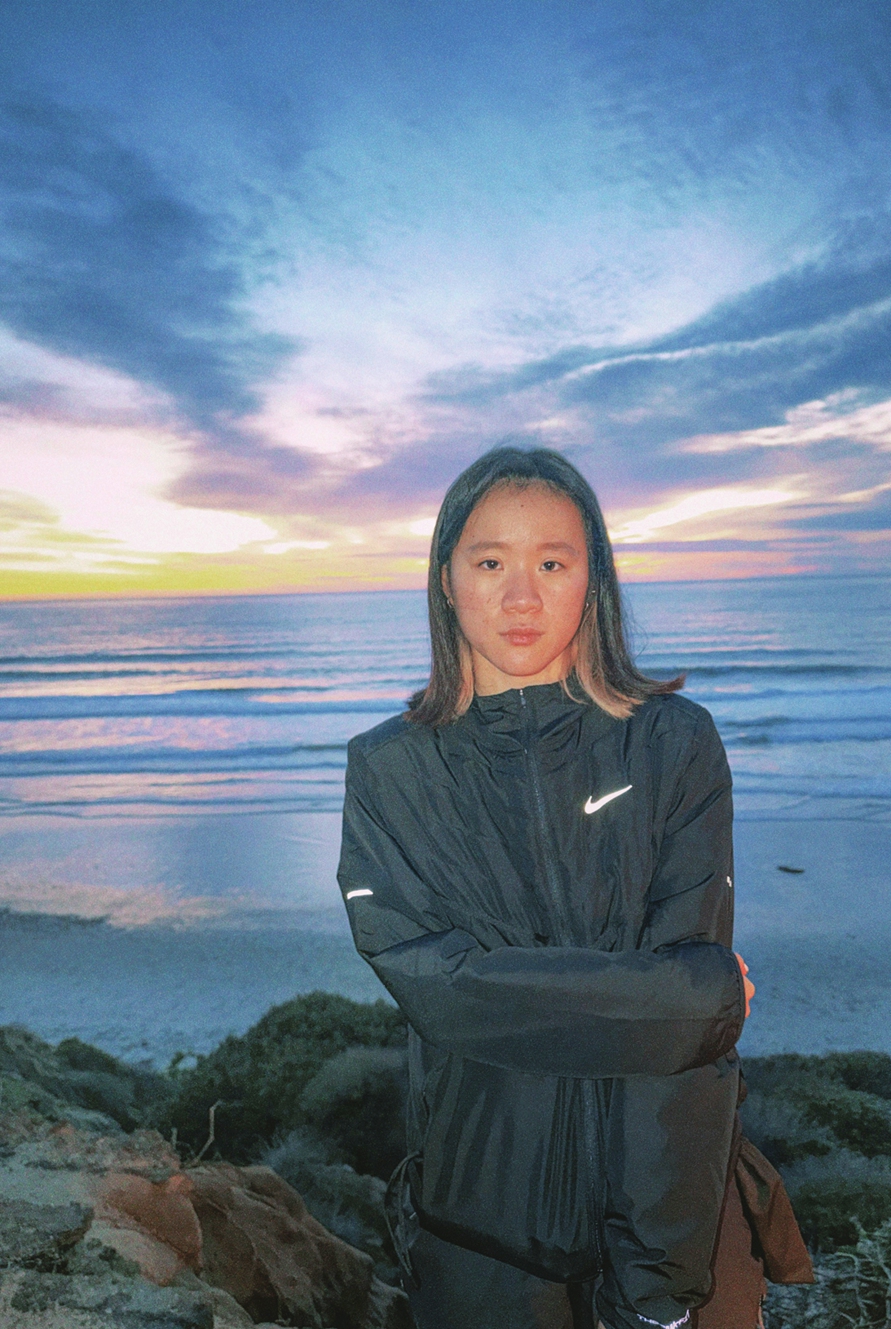
Li Fanghui in San Diego, the US Photo: Courtesy of Li
Just weeks after standing on the Olympic podium, Li Fanghui is back where she feels most at home - training.At 23, the freestyle skier from Tonghe county of Harbin, Northeast China's Heilongjiang Province has little time to linger on her success. Her silver medal in the women's halfpipe at the Milan-Cortina Winter Olympics marked a career breakthrough, but for Li, it also signaled something else: a reset.
"When I stepped off the podium, everything went back to zero," she said. "In the next four years, I'm going for gold."
That mindset now drives her daily routine. In the off season, when there is no snow, Li trains on trampolines and airbags, simulating aerial maneuvers to sharpen her balance, body control, and rotations. When possible, she travels abroad for extra training and drills high-difficulty tricks to push the limits of her skill.
Reaching the podium
On February 22, Li delivered the performance of her life.
Competing in the final run of the women's halfpipe at the Milan-Cortina 2026 Olympic Winter Games, she executed a routine featuring two switch (backward) 900-degree spins. The run earned her 93.00 points and secured the silver medal.
"When the score came out, I knew I would be on the podium," Li recalled. "It felt like my body suddenly became lighter - like I'd lost 10 pounds. I was so happy at that moment."
Her performance stood out not only for its execution, but for its difficulty. A switch 900 requires the skier to take off backward and complete two and a half rotations in the air before landing cleanly. Linking such two tricks in a single run demands precise timing, exceptional air height and flawless control.
Before Li, no female skier had ever successfully completed that combination in the Olympic competition.
During the interview, Li told the Global Times that she had practiced the move many times and believed that attempting it gave her a chance to land it, which she did.
Li's journey began far from the global spotlight.
Raised in Tonghe, she first drew attention in elementary school, winning a race at a local sports meet. A coach from the county sports school spotted her and invited her to train.
At the time, she knew little about skiing.
"I just wanted to give it a try. 'Who knows, it might work out,' I thought," she said.
After two weeks of trying the sport, she was selected for the Harbin city team. By the age of 10, she had become a full-time athlete, starting a career that has now spanned more than a decade.
Looking back, Li sees her development as a series of stages.
"At each stage, I had a small goal," she said. "Once I achieved it, I started thinking about the next - bigger stage."
Her Olympic debut came at the Beijing Winter Games, where she finished fifth, just shy of the podium. Though disappointed, she saw it as proof that she was close.
The path to Milan was anything but smooth.
In 2022, Li suffered a fractured collarbone during training. The injury required surgery and long rehabilitation, during which her performance declined. At one point, she even considered retirement.
"But my goal wasn't finished," she said. "So I kept going."
In early 2024, just a month before the 14th National Winter Games, she was injured again. This time, she competed with an unhealed fracture.
That persistence soon paid off. In 2025, she won gold at the Asian Winter Games and claimed her first World Cup title. More recently, in January, she scored another 93 points to win the Aspen World Cup, solidifying her confidence.
"Since I stood on the World Cup podium, I knew I had a real chance at the Olympics," she said.
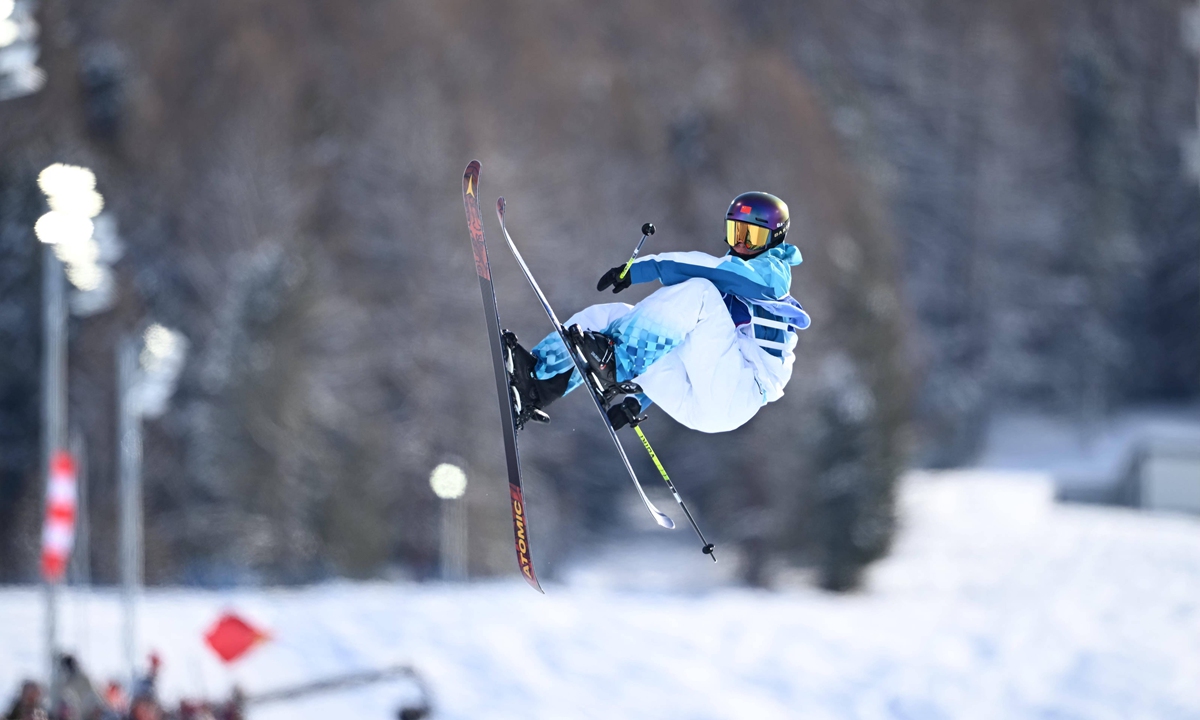
Li Fanghui competes during the freestyle skiing women's halfpipe at the Milan-Cortina 2026 Olympic Winter Games in Livigno, Italy, on February 22, 2026. Photo: VCG
Now Li's focus is firmly on the future.
She plans to expand her technical repertoire in the next Olympic cycle, aiming to increase the number of directional variations in her runs from four to five - a significant leap in complexity.
The ultimate goal is clear: gold at the next Winter Olympics. "It's a big jump from silver to gold," she admitted. "It won't be easy."
Li's success also reflects the broader rise of China in freestyle skiing.
Once considered a developing program, China has emerged as a powerhouse, regularly placing multiple athletes in World Cup and world championship finals. Access to better facilities, international coaching and overseas training opportunities has accelerated progress in this event.
"We've learned a lot from other countries," Li said.
"Now we're among the top teams in the world."
Still, she said the next challenge lies in cultivating younger talent.
As more people take up winter sports, part of a national push to involve more than 300 million Chinese people in snow and ice activities, Li sees growing interest but notes that freestyle skiing remains relatively a niche.
"We need more young athletes to come into the sport," she said. "That's how we keep improving."
Freestyle skiing, particularly halfpipe, carries inherent risks. Falls are common, and injuries can be severe. Li acknowledges that she still feels nervous before every run. "Sooner or later, you have to do these tricks," she said.
"There's a chance of failure, but also a chance of success."
For those just starting out, Li offers simple advice shaped by her own journey.
"If you choose this path, keep going forward," she said.
"Don't look back." Failure, she added, is unavoidable and necessary.
"It's part of the process," she said. "Once you get past it, success is waiting."
RELATED ARTICLES