ARTS / BOOKS
Sinologists interpret Chinese classics, highlighting enduring spirit of China
Editors’ notes:
Chinese classics serve not only as a vehicle for learning the Chinese language, but also as a window into Chinese civilization. On April 23, World Book and Copyright Day, the People's Daily Overseas Edition invited more than 10 sinologists from around the world to share their stories of encountering Chinese classics. Each scholar recommended a passage from a classic and offered their own interpretation of its cultural meaning.
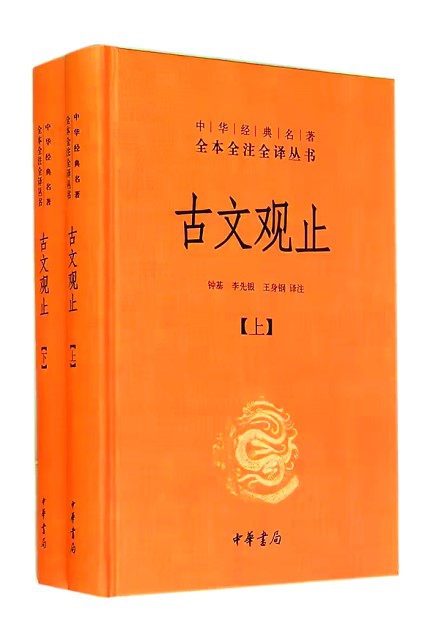
Among them, the essay “An Inscription for the Tomb of Five Men” left a deep impression on Sant. It tells the story of five ordinary citizens who stood up against injustice, sacrificed themselves and protected the people of the city. The story vividly illustrates the value of fairness and justice, showing that justice is sustained not only by institutions and laws, but also by the moral courage of ordinary people.
In his view, the discussions of ren (benevolence), li (ritual propriety), and xue (learning) in the book provide key insights into the ways of thinking and value systems of contemporary Chinese society. The classic has profoundly shaped both his academic research and his daily life, and he often quotes from the Analects of Confucius in lectures he gives in Argentina.
He hopes that, drawing on his own understanding, he will one day translate and introduce the wisdom of Confucius to a wider readership.
He first encountered the classic at the age of 14 and was immediately drawn to its philosophical vision of harmony between humanity and nature, which set him on the path of studying Laozi’s thought. Among its teachings, the idea that “the soft overcomes the hard” has left a particularly deep impression on him. Laozi suggests that commands delivered from a position of superiority often provoke resistance, whereas lowering oneself to the level of others can make them feel respected and understood.
Such “yielding” is not true weakness; rather, it resembles what we today call empathy. This ancient Chinese wisdom offers a profound insight into the essence of cross-cultural communication: approaching issues from the perspective of others rather than treating one’s own viewpoint as a universal standard.
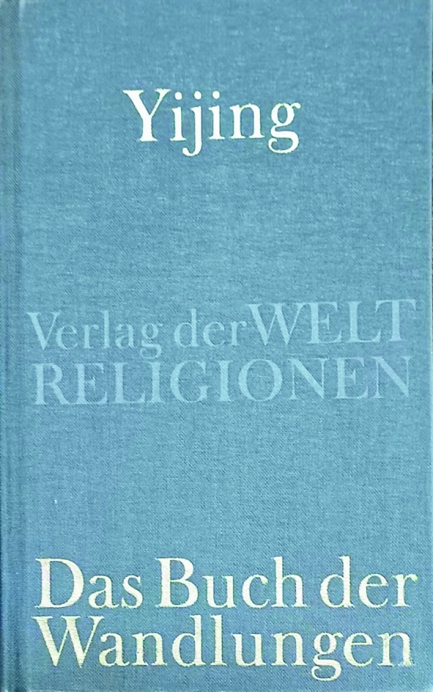
In preparing his translation, Schilling drew on a wide range of ancient Chinese sources and provided detailed explanations of the text’s political meanings.
Schilling notes that although the language can be difficult to interpret, its thought is remarkably rich. Ancient ideas, he says, should be approached with humility. The value of studying ancient cultures and interpreting the intellectual world of earlier thinkers lies in trying to understand others from their own perspective. In the process of engaging with different civilizations and fostering mutual learning, such understanding is itself of great significance.
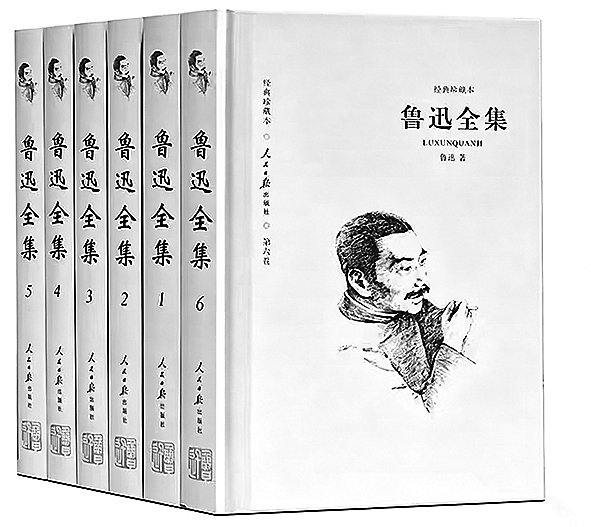
In his view, Lu Xun’s works are like a powerful brush, incisively critiquing social realities and allowing readers to see themselves through bitter yet revealing laughter, while also offering enduring inspiration. Lu Xun consistently upheld a deep concern for humanity, and each rereading of his works brings a sense of resonance that transcends national boundaries.
Given the shared historical and cultural ties between China and South Korea, South Korean readers often feel a strong affinity with Lu Xun. This cross-cultural dialogue, Park argues, is precisely where the enduring vitality of Lu Xun’s thought lies.
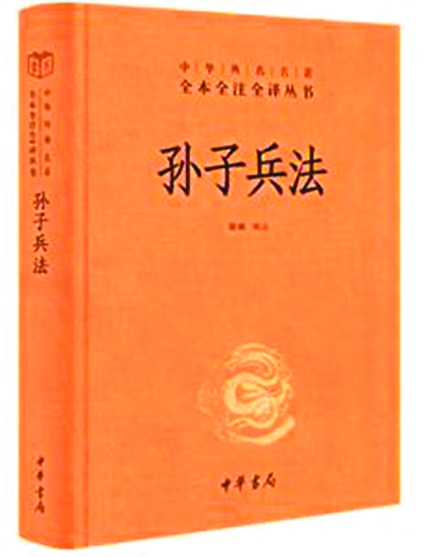
In his view, The Art of War is not merely a military treatise, but also a guide to life, offering insights into self-awareness, careful deliberation, and adaptability. He also conducted in-depth research on the text during his doctoral studies at Peking University.
Ivchenko believes that in today’s international landscape, the classic’s emphasis on avoiding coercive confrontation, and its focus on prudence, strategy, and inclusiveness, provides valuable references for resolving differences and enhancing mutual trust.
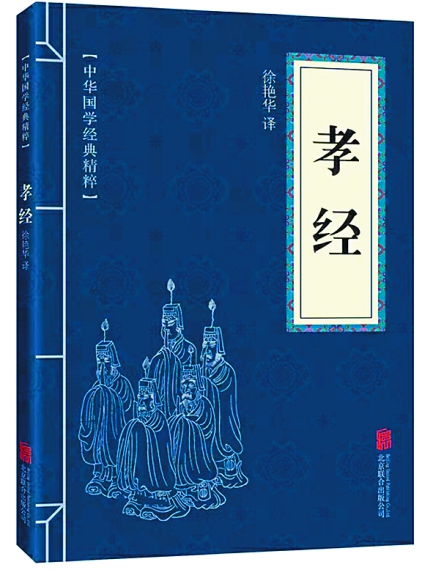
What has most impressed her in the text is its articulation of xiao (filial piety): not merely a virtue within the family, but a foundational principle that radiates outward from the personal to the broader social order. The work led her to recognize that moral cultivation is deeply rooted in concrete human relationships, with the family serving as the key ground in which virtue grows.
This, in turn, has given her a new understanding of the Confucian concept of ren (benevolence). Rather than an isolated moral quality, ren emerges within human interactions grounded in respect and responsibility. Although brief in length, the Classic of Filial Piety encourages readers to reconsider moral education by starting from human relationships and everyday practice.
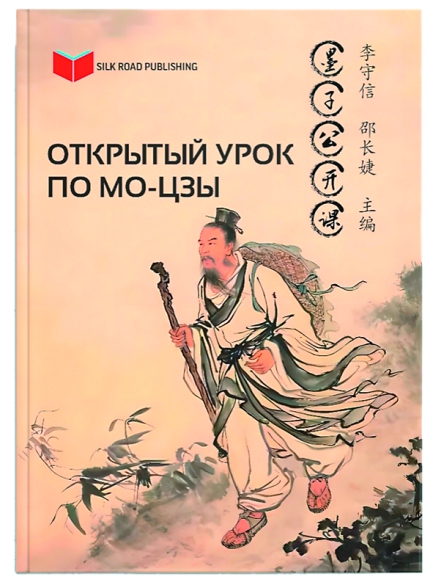
These concepts have particularly resonated with Ergashov. He notes that “universal love,” which advocates impartial care beyond familial and personal ties, reflects an ethical ideal of broader social concern. Meanwhile, the principle of opposing aggressive war aligns with contemporary commitments to peace and the rejection of expansionist conflict. This ancient Eastern wisdom suggests that a concern for rational judgment, practical outcomes, and shared benefit can help bridge civilizational differences and foster mutual trust.
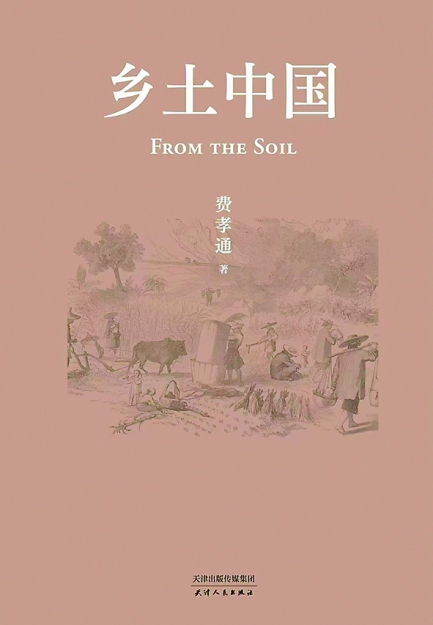
This observation led James P. F. Oswald to realize that, even in today's era of rapid development, the underlying social fabric shaped by the land and rural life remains clearly discernible.
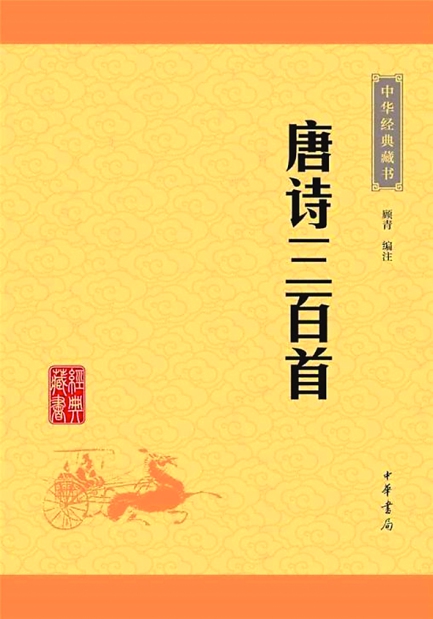
For Chattaraj, this restrained yet deeply moving expression of emotion recalls the way Rabindranath Tagore conveys feeling through nature in Gitanjali.
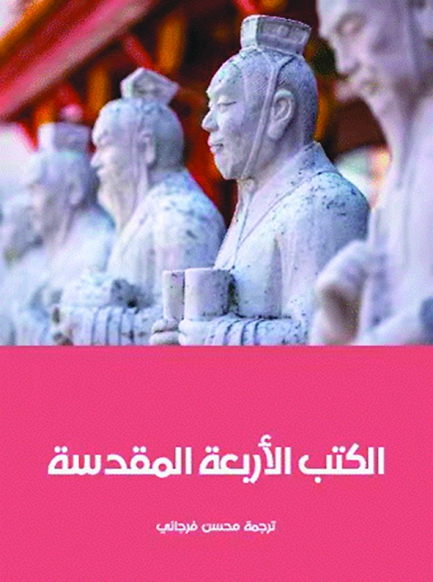
One passage in particular resonated deeply with Awab Mustafa Ahmed Mustafa: “Wishing to order well their states, they first regulated their families; wishing to regulate their families, they first cultivated their persons.” This ancient adage reveals that the Chinese sense of responsibility toward family and nation originates from trust, accountability, and self-discipline within intimate relationships, not from external imposition. Only by learning self-discipline through concrete daily interactions can one confidently step into the broader realm of public life.
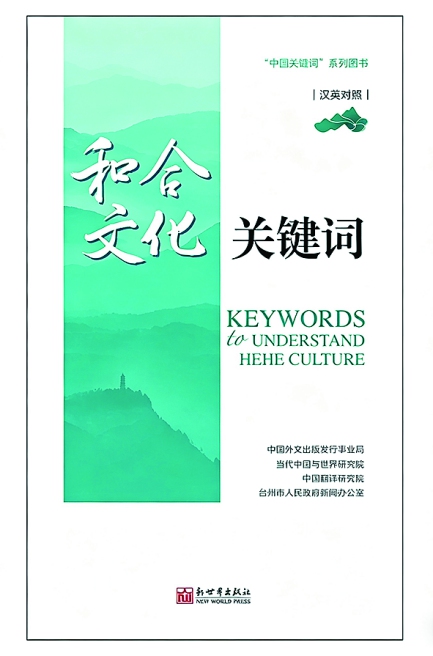
This philosophical understanding of harmony echoes the Burundian proverb, “A person is a person through other persons,” revealing a shared vision between Chinese and African civilizations—one that values inclusivity, mutual dependence, and coexistence within diversity.
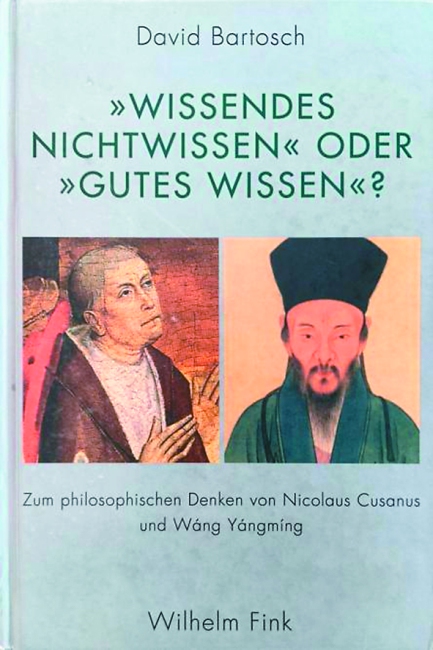
David emphasizes that the text is not only a philosophical treatise but also a practical guide for self-cultivation and navigating a complex world.
What resonates most with him is Wang Yangming’s idea of “liangzhi” (innate moral knowing), an inner moral compass shared by all people, which can be extended from personal feelings of care within the family to a broader universal concern for others and the world. He understands this as a unifying life force that connects individuals with others, nature, and the cosmos.
David ultimately recommends Chuanxilu as a timeless reminder that the capacity to understand, heal, and harmonize the world lies within each individual’s inner moral awareness, especially in times of uncertainty and fragmentation.
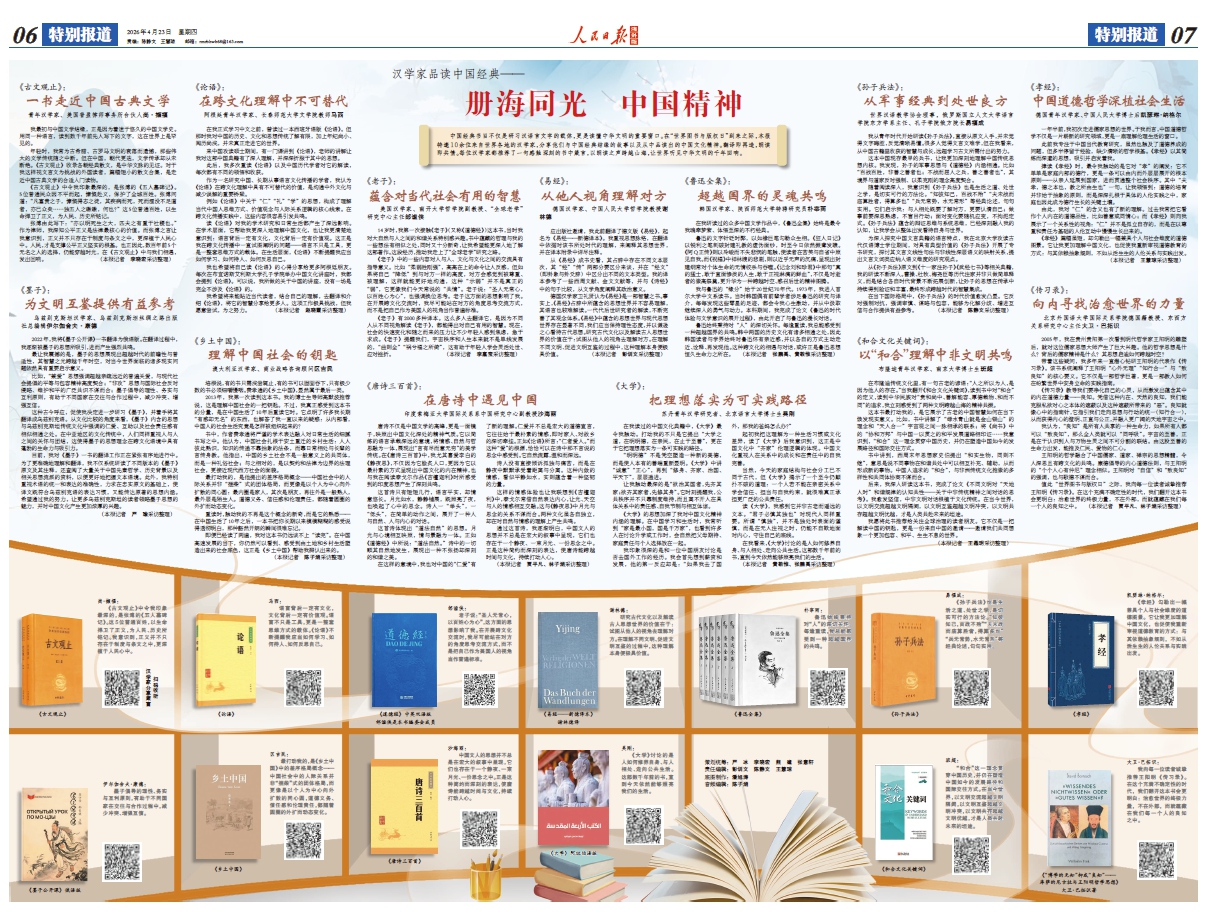
Chinese classics serve not only as a vehicle for learning the Chinese language, but also as a window into Chinese civilization. On April 23, World Book and Copyright Day, the People's Daily Overseas Edition invited more than 10 sinologists from around the world to share their stories of encountering Chinese classics. Each scholar recommended a passage from a classic and offered their own interpretation of its cultural meaning.
Gems of Classical Chinese Prose
Sinologist Geoffrey Sant, a partner at Pillsbury Winthrop Shaw Pittman LLP, recommends Guwen Guanzhi (Gems of Classical Chinese Prose). The book brings together classic prose pieces from the Eastern Zhou Dynasty to the Ming Dynasty, offering a glimpse into the long tradition of Chinese literature. The pieces are concise, elegant and rich in meaning, making it an excellent introduction for international readers to classical Chinese literature.Among them, the essay “An Inscription for the Tomb of Five Men” left a deep impression on Sant. It tells the story of five ordinary citizens who stood up against injustice, sacrificed themselves and protected the people of the city. The story vividly illustrates the value of fairness and justice, showing that justice is sustained not only by institutions and laws, but also by the moral courage of ordinary people.
The Analects of Confucius
Argentine sinologist Benatti Maximiliano, a faculty member at the School of Liberal Arts of Changchun Normal University, recommends the classic The Analects of Confucius. It was during his master's studies in China that he came to deeply appreciate the work's intellectual depth.In his view, the discussions of ren (benevolence), li (ritual propriety), and xue (learning) in the book provide key insights into the ways of thinking and value systems of contemporary Chinese society. The classic has profoundly shaped both his academic research and his daily life, and he often quotes from the Analects of Confucius in lectures he gives in Argentina.
He hopes that, drawing on his own understanding, he will one day translate and introduce the wisdom of Confucius to a wider readership.
Tao Te Ching (Laozi)
American sinologist Misha Tadd, Associate Professor in the College of Philosophy at Nankai University and founder and director of the university’s Global Laozegetics Research Center, recommends the classic Tao Te Ching (Laozi).He first encountered the classic at the age of 14 and was immediately drawn to its philosophical vision of harmony between humanity and nature, which set him on the path of studying Laozi’s thought. Among its teachings, the idea that “the soft overcomes the hard” has left a particularly deep impression on him. Laozi suggests that commands delivered from a position of superiority often provoke resistance, whereas lowering oneself to the level of others can make them feel respected and understood.
Such “yielding” is not true weakness; rather, it resembles what we today call empathy. This ancient Chinese wisdom offers a profound insight into the essence of cross-cultural communication: approaching issues from the perspective of others rather than treating one’s own viewpoint as a universal standard.
German edition of the Book of Changes translated by Dennis Schilling, professor at the School of Philosophy of Renmin University of China
German sinologist Dennis Schilling, professor at the School of Philosophy of Renmin University of China, has translated a German edition of the I Ching, or Book of Changes. The book is a foundational Chinese text originated around the 9th century BC. This book was once described by German sinologist Richard Wilhelm as a “book of wisdom.”In preparing his translation, Schilling drew on a wide range of ancient Chinese sources and provided detailed explanations of the text’s political meanings.
Schilling notes that although the language can be difficult to interpret, its thought is remarkably rich. Ancient ideas, he says, should be approached with humility. The value of studying ancient cultures and interpreting the intellectual world of earlier thinkers lies in trying to understand others from their own perspective. In the process of engaging with different civilizations and fostering mutual learning, such understanding is itself of great significance.
The Complete Works of Lu Xun
South Korean sinologist Park Jae-woo, a distinguished researcher at Shaanxi Normal University, recommends the Complete Works of Lu Xun. He first encountered Lu Xun in the 1970s while studying Chinese at Seoul National University, and his undergraduate thesis also focused on Lu Xun’s writings.In his view, Lu Xun’s works are like a powerful brush, incisively critiquing social realities and allowing readers to see themselves through bitter yet revealing laughter, while also offering enduring inspiration. Lu Xun consistently upheld a deep concern for humanity, and each rereading of his works brings a sense of resonance that transcends national boundaries.
Given the shared historical and cultural ties between China and South Korea, South Korean readers often feel a strong affinity with Lu Xun. This cross-cultural dialogue, Park argues, is precisely where the enduring vitality of Lu Xun’s thought lies.
The Art of War
Taras Ivchenko, Head of the Confucius Institute of Russian State University for the Humanities, recommends The Art of War. He began studying the original text in his youth and notes that Sun Tzu’s military thought shares affinities with the philosophy of the Tao Te Ching, as exemplified by the principle of “subduing the enemy without fighting,” which reflects an emphasis on restraint and overcoming force with flexibility.In his view, The Art of War is not merely a military treatise, but also a guide to life, offering insights into self-awareness, careful deliberation, and adaptability. He also conducted in-depth research on the text during his doctoral studies at Peking University.
Ivchenko believes that in today’s international landscape, the classic’s emphasis on avoiding coercive confrontation, and its focus on prudence, strategy, and inclusiveness, provides valuable references for resolving differences and enhancing mutual trust.
The Classic of Filial Piety
German sinologist Kathrin Nagel, a postdoctoral researcher at Renmin University of China, recommends the Classic of Filial Piety.What has most impressed her in the text is its articulation of xiao (filial piety): not merely a virtue within the family, but a foundational principle that radiates outward from the personal to the broader social order. The work led her to recognize that moral cultivation is deeply rooted in concrete human relationships, with the family serving as the key ground in which virtue grows.
This, in turn, has given her a new understanding of the Confucian concept of ren (benevolence). Rather than an isolated moral quality, ren emerges within human interactions grounded in respect and responsibility. Although brief in length, the Classic of Filial Piety encourages readers to reconsider moral education by starting from human relationships and everyday practice.
Russian edition of Mozi Open Course
Uzbek sinologist Iskandar Ergashov, Editor-in-Chief of Silk Road Publishing in Uzbekistan, recommends Mozi, an anthology of writings from the Mohist school of the Warring States period and a major classic of ancient Chinese philosophy. The text advances key ideas such as “universal love” and the “condemnation of offensive war.”These concepts have particularly resonated with Ergashov. He notes that “universal love,” which advocates impartial care beyond familial and personal ties, reflects an ethical ideal of broader social concern. Meanwhile, the principle of opposing aggressive war aligns with contemporary commitments to peace and the rejection of expansionist conflict. This ancient Eastern wisdom suggests that a concern for rational judgment, practical outcomes, and shared benefit can help bridge civilizational differences and foster mutual trust.
From the Soil
James P. F. Oswald, an Australian sinologist and business strategy consultant, recommends From the Soil. This classic work by Fei Xiaotong is a study of China’s grassroots social structure. James P. F. Oswald was particularly struck by the book's concept of the "differential mode of association," which describes how interpersonal relationships in Chinese society are not organized in a group-based structure, but rather radiate outward in concentric circles centered on the individual. The degree of obligation and trust varies according to the closeness or distance of each relationship.This observation led James P. F. Oswald to realize that, even in today's era of rapid development, the underlying social fabric shaped by the land and rural life remains clearly discernible.
Three Hundred Tang Poems
Saheli Chattaraj, Assistant Professor at Somaiya Vidyavihar University, recommends Three Hundred Tang Poems. This collection brings together the finest poetry from the Tang Dynasty, conveying profound imagery through concise language. It serves as a prime example of the classical Chinese aesthetic principle that "There's an end to the words, but not to their message." Among the poems, Li Bai’s "Thoughts on a Tranquil Night" particularly resonated with her. The poet looks up at the moon and then down, pondering his homeland. Through these simple gestures, a silent dialogue between humanity and nature unfolds. The poem reflects the Daoist ideal of harmony with nature and reveals the serene beauty of the natural world.For Chattaraj, this restrained yet deeply moving expression of emotion recalls the way Rabindranath Tagore conveys feeling through nature in Gitanjali.
The Arabian version of the Great Learning
Awab Mustafa Ahmed Mustafa, a young Sudanese sinologist and doctoral candidate at the Beijing Language and Culture University, recommends The Great Learning. Originally a chapter of The Book of Rites, this text is one of the Confucian “Four Books” and outlines the progressive path of self-cultivation, family regulation, state governance, and bringing peace to the world.One passage in particular resonated deeply with Awab Mustafa Ahmed Mustafa: “Wishing to order well their states, they first regulated their families; wishing to regulate their families, they first cultivated their persons.” This ancient adage reveals that the Chinese sense of responsibility toward family and nation originates from trust, accountability, and self-discipline within intimate relationships, not from external imposition. Only by learning self-discipline through concrete daily interactions can one confidently step into the broader realm of public life.
Keywords to understand Hehe culture
Etienne Bankuwiha, a young Burundian sinologist and doctoral candidate at Nanjing University, recommends Keywords to understand Hehe culture. The book explains the Chinese concept of “Hehe” (harmony and co-existence), presenting traditional wisdom that emphasizes valuing harmony while respecting balance, remaining open-minded and inclusive, embracing the world through virtue, and living in harmony without requiring uniformity.This philosophical understanding of harmony echoes the Burundian proverb, “A person is a person through other persons,” revealing a shared vision between Chinese and African civilizations—one that values inclusivity, mutual dependence, and coexistence within diversity.
The philosophical thought of Nicolaus Cusanus and Wang Yangming
David Bartosch, Distinguished Research Fellow of Institute of Advanced Studies in Humanities and Social Sciences at Beijing Normal University, Zhuhai Campus, recommends Instructions for Practical Living (Chuanxilu) by Wang Yangming, a foundational text of the School of Mind in Confucian philosophy.David emphasizes that the text is not only a philosophical treatise but also a practical guide for self-cultivation and navigating a complex world.
What resonates most with him is Wang Yangming’s idea of “liangzhi” (innate moral knowing), an inner moral compass shared by all people, which can be extended from personal feelings of care within the family to a broader universal concern for others and the world. He understands this as a unifying life force that connects individuals with others, nature, and the cosmos.
David ultimately recommends Chuanxilu as a timeless reminder that the capacity to understand, heal, and harmonize the world lies within each individual’s inner moral awareness, especially in times of uncertainty and fragmentation.
