ARTS / CULTURE & LEISURE
Venice Biennale China Pavilion opens with ‘Dream Stream’: Bridging ancient wisdom and digital futures
By Published: May 10, 2026 11:06 PM

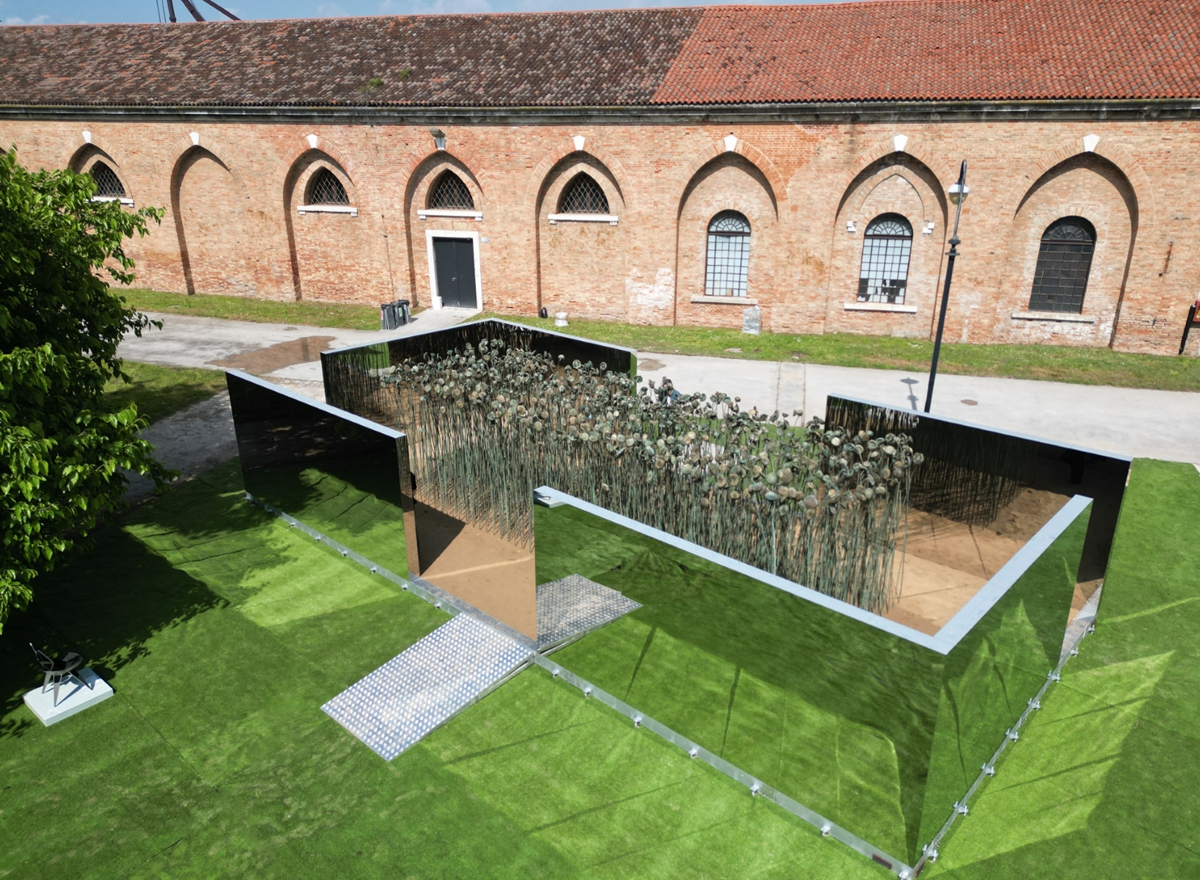
Photo: Courtesy of CAEG
Under the gentle ripples of a lagoon in early summer, the historic brick walls of the Arsenale di Venezia bore witness to a profound dialogue between Eastern poetics and contemporary technology. The China Pavilion at the 61st Venice International Art Biennale opened on Friday, presenting "Dream Stream" as its central theme.Drawing inspiration from Shen Kuo's Northern Song Dynasty masterpiece Dream Pool Essays, the exhibition weaves a thousand-year cultural lineage with the digital age, showcasing the vitality of Chinese contemporary art through "traditional innovation" and "art-technology fusion."
Curator Yu Xuhong, also president of the China Academy of Art, explained to the Global Times that "Dream Stream" pays homage to an ancient encyclopedia while resonating with the Biennale's introspective tone of "In Minor Keys."
The exhibition uses water as its guiding pulse and dreams as its realm, employing fluid poetry and philosophical depth to narrate the contemporary transformation of Eastern cultural heritage in the digital era. It also highlights the unique tension and warmth that art maintains in the age of artificial intelligence.
In the lush gardens of the Arsenale, visitors are immediately drawn to Ark of Symbiosis, a large-scale sculptural installation by Chinese artist Xu Jiang. Copper forms of a drought-resistant sunflower and a water-loving lotus intertwine, reaching forward together. Their mirrored reflections shimmer under the Italian sun, symbolizing harmony beyond individual limitations and evoking the flowing dreams of the "Dream Stream."
Inside the pavilion, a captivating immersive world unfolds, blending the past and the present. Dominating one space is calligrapher Wang Dongling's monumental cursive script Free and Easy Wandering - an imposing 6.5-meter-high and 16-meter-wide artwork. The vigorous strokes surge with dragon-like energy, embodying the unbound spirit of Zhuangzi.
A major highlight is the inclusion of works related to the acclaimed game Black Myth: Wukong. Sculptures of the Destined One, gameplay videos, hand-drawn originals, and animated shorts demonstrate how this contemporary creation, rooted in Journey to the West, one of the most famous ancient novels, is reshaping global cultural imagination and amplifying Chinese narratives on the international stage.
One of the most interactive attractions is a calligraphy robot developed collaboratively by the China Academy of Art and domestic tech firms. Visitors queue eagerly as the robotic arm, having captured the essence of Wang Dongling's distinctive "chaotic script," fluidly grinds ink, wields the brush, and completes characters with surprising grace and vitality. When it writes "Dream Stream," the mechanical movements convey both wild abandon and contemplative restraint, merging precision engineering with artistic soul.
Yu continued that in today's world, art holds triple value: revitalizing tradition through inter-civilization dialogue, transcending real-world challenges to offer hope, and breaking free from algorithmic constraints to confront the future.
The curatorial team constructed a 1:1 replica of the historical venue at the China Academy of Art's Xiangshan Campus to refine the layout meticulously. The final presentation employs "dark chamber, bright room" techniques, creating a poetic, dreamlike atmosphere.
RELATED ARTICLES