PHOTO / WORLD
Daily life on Senegal's Goree Island, former slave-trading center on African coast
Published: May 17, 2026 11:23 AM
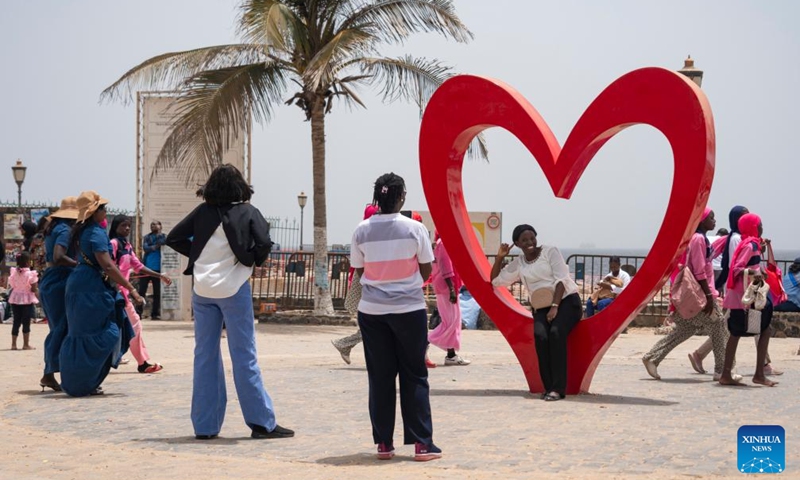
Tourists visit Goree Island in Senegal on May 16, 2026. Goree Island lies off the coast of Senegal, opposite Dakar. Ruled in succession by the Portuguese, Dutch, English and French, it was the largest slave-trading center on the African coast from the 15th to the 19th century. (Xinhua/Xie Jianfei)
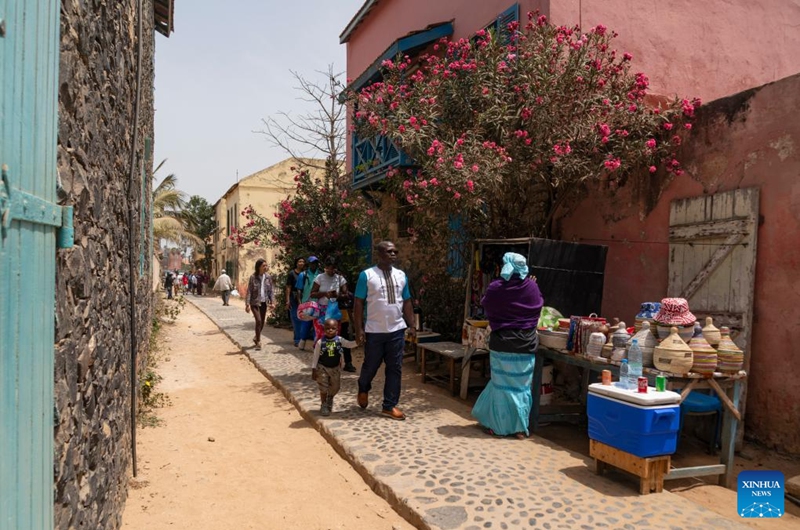
Tourists visit Goree Island in Senegal on May 16, 2026. Goree Island lies off the coast of Senegal, opposite Dakar. Ruled in succession by the Portuguese, Dutch, English and French, it was the largest slave-trading center on the African coast from the 15th to the 19th century. (Xinhua/Xie Jianfei)

Tourists visit Goree Island in Senegal on May 16, 2026. Goree Island lies off the coast of Senegal, opposite Dakar. Ruled in succession by the Portuguese, Dutch, English and French, it was the largest slave-trading center on the African coast from the 15th to the 19th century. (Xinhua/Xie Jianfei)
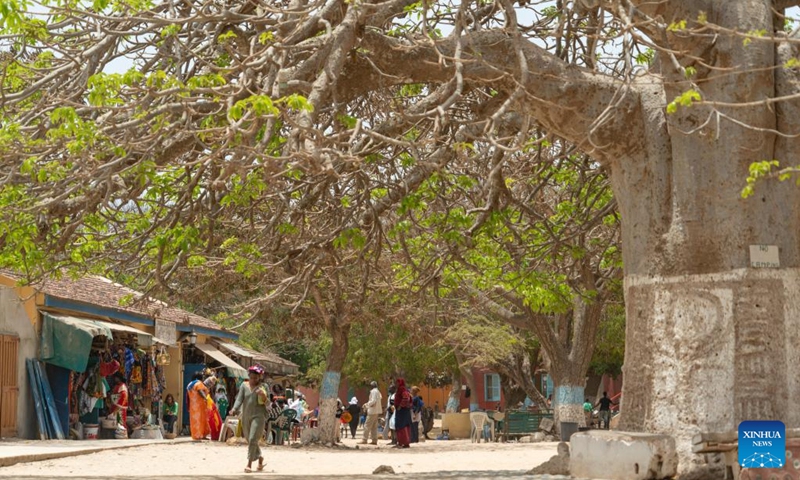
Tourists visit Goree Island in Senegal on May 16, 2026. Goree Island lies off the coast of Senegal, opposite Dakar. Ruled in succession by the Portuguese, Dutch, English and French, it was the largest slave-trading center on the African coast from the 15th to the 19th century. (Xinhua/Xie Jianfei)

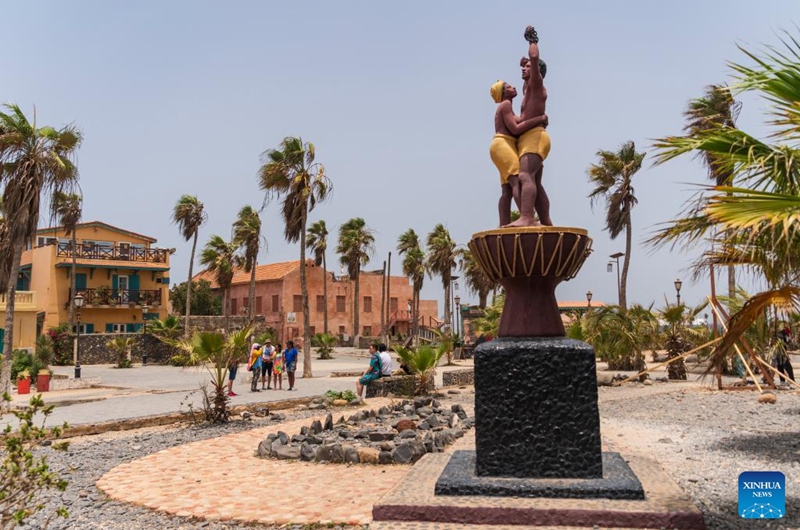
Tourists are seen near the Statue of the Liberation from Slavery on Goree Island in Senegal, May 16, 2026. Goree Island lies off the coast of Senegal, opposite Dakar. Ruled in succession by the Portuguese, Dutch, English and French, it was the largest slave-trading center on the African coast from the 15th to the 19th century. (Xinhua/Xie Jianfei)
Tourists are seen near the Statue of the Liberation from Slavery on Goree Island in Senegal, May 16, 2026. Goree Island lies off the coast of Senegal, opposite Dakar. Ruled in succession by the Portuguese, Dutch, English and French, it was the largest slave-trading center on the African coast from the 15th to the 19th century. (Xinhua/Xie Jianfei)

Tourists visit Goree Island in Senegal on May 16, 2026. Goree Island lies off the coast of Senegal, opposite Dakar. Ruled in succession by the Portuguese, Dutch, English and French, it was the largest slave-trading center on the African coast from the 15th to the 19th century. (Xinhua/Xie Jianfei)
Tourists visit Goree Island in Senegal on May 16, 2026. Goree Island lies off the coast of Senegal, opposite Dakar. Ruled in succession by the Portuguese, Dutch, English and French, it was the largest slave-trading center on the African coast from the 15th to the 19th century. (Xinhua/Xie Jianfei)

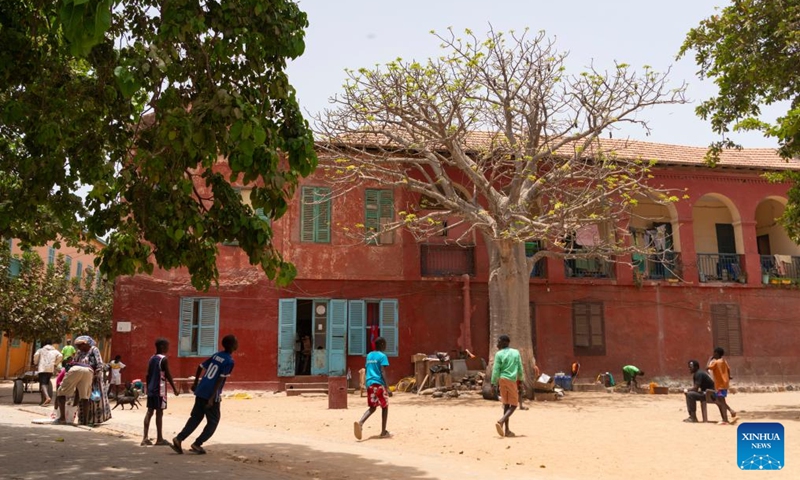
Children play on Goree Island in Senegal on May 16, 2026. Goree Island lies off the coast of Senegal, opposite Dakar. Ruled in succession by the Portuguese, Dutch, English and French, it was the largest slave-trading center on the African coast from the 15th to the 19th century. (Xinhua/Xie Jianfei)

Children play on Goree Island in Senegal on May 16, 2026. Goree Island lies off the coast of Senegal, opposite Dakar. Ruled in succession by the Portuguese, Dutch, English and French, it was the largest slave-trading center on the African coast from the 15th to the 19th century. (Xinhua/Xie Jianfei)


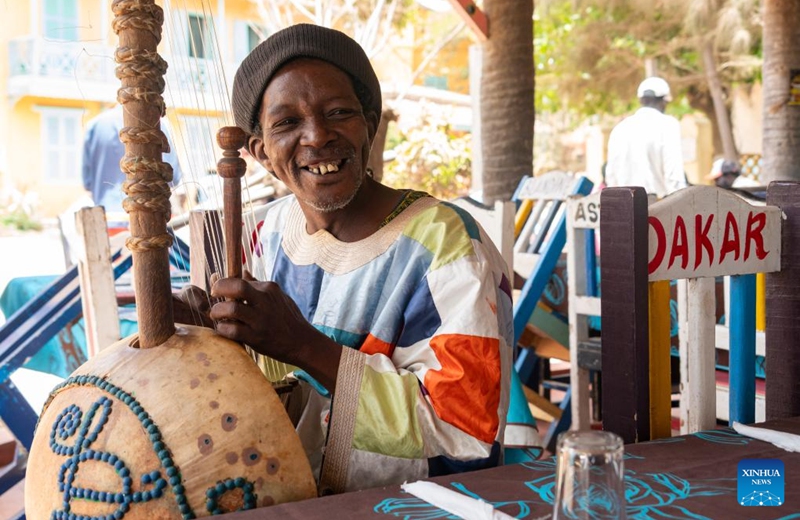
A musician plays kora, a string instrument from West Africa, on Goree Island in Senegal, May 16, 2026. Goree Island lies off the coast of Senegal, opposite Dakar. Ruled in succession by the Portuguese, Dutch, English and French, it was the largest slave-trading center on the African coast from the 15th to the 19th century. (Xinhua/Xie Jianfei)

A musician plays kora, a string instrument from West Africa, on Goree Island in Senegal, May 16, 2026. Goree Island lies off the coast of Senegal, opposite Dakar. Ruled in succession by the Portuguese, Dutch, English and French, it was the largest slave-trading center on the African coast from the 15th to the 19th century. (Xinhua/Xie Jianfei)


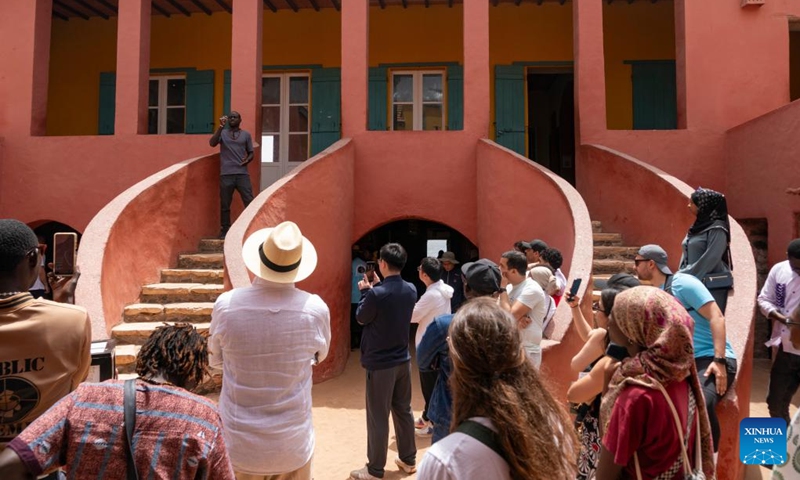
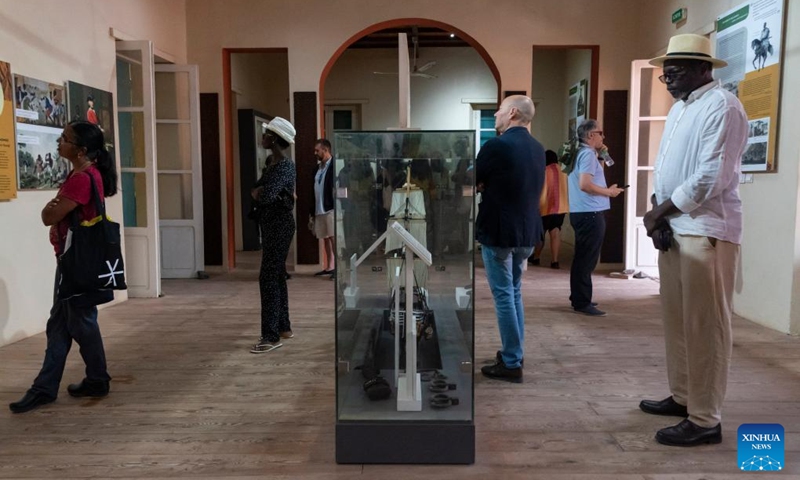
Tourists visit the House of Slave on Goree Island in Senegal, May 16, 2026. Goree Island lies off the coast of Senegal, opposite Dakar. Ruled in succession by the Portuguese, Dutch, English and French, it was the largest slave-trading center on the African coast from the 15th to the 19th century. (Xinhua/Xie Jianfei)

Tourists visit the House of Slave on Goree Island in Senegal, May 16, 2026. Goree Island lies off the coast of Senegal, opposite Dakar. Ruled in succession by the Portuguese, Dutch, English and French, it was the largest slave-trading center on the African coast from the 15th to the 19th century. (Xinhua/Xie Jianfei)


Tourists visit the House of Slave on Goree Island in Senegal, May 16, 2026. Goree Island lies off the coast of Senegal, opposite Dakar. Ruled in succession by the Portuguese, Dutch, English and French, it was the largest slave-trading center on the African coast from the 15th to the 19th century. (Xinhua/Xie Jianfei)

Tourists visit the House of Slave on Goree Island in Senegal, May 16, 2026. Goree Island lies off the coast of Senegal, opposite Dakar. Ruled in succession by the Portuguese, Dutch, English and French, it was the largest slave-trading center on the African coast from the 15th to the 19th century. (Xinhua/Xie Jianfei)


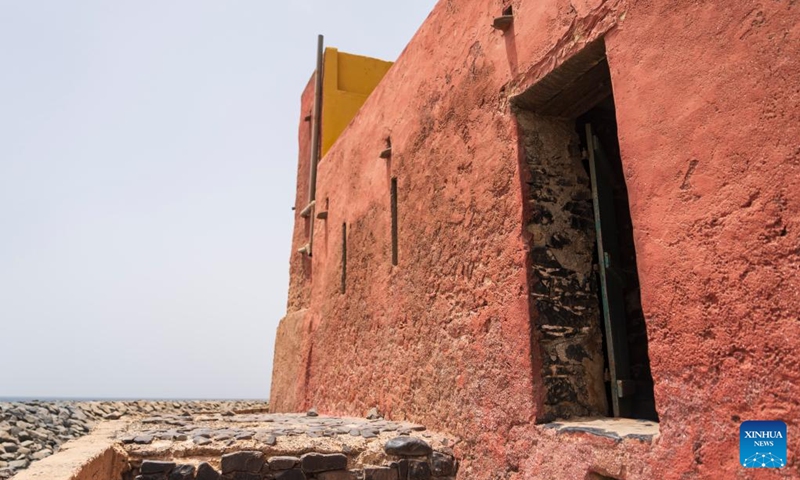
This photo taken on May 16, 2026 shows the Door of No Return, a departure point for slaves during the slavery period, in the House of Slave on Goree Island in Senegal. Goree Island lies off the coast of Senegal, opposite Dakar. Ruled in succession by the Portuguese, Dutch, English and French, it was the largest slave-trading center on the African coast from the 15th to the 19th century. (Xinhua/Xie Jianfei)

This photo taken on May 16, 2026 shows the "Door of No Return," a departure point for slaves during the slavery period, in the House of Slave on Goree Island in Senegal. Goree Island lies off the coast of Senegal, opposite Dakar. Ruled in succession by the Portuguese, Dutch, English and French, it was the largest slave-trading center on the African coast from the 15th to the 19th century. (Xinhua/Xie Jianfei)