ARTS / CULTURE & LEISURE
Book fairs should be focused on their true soul – reading – rather than displays
By Published: May 31, 2026 10:07 PM

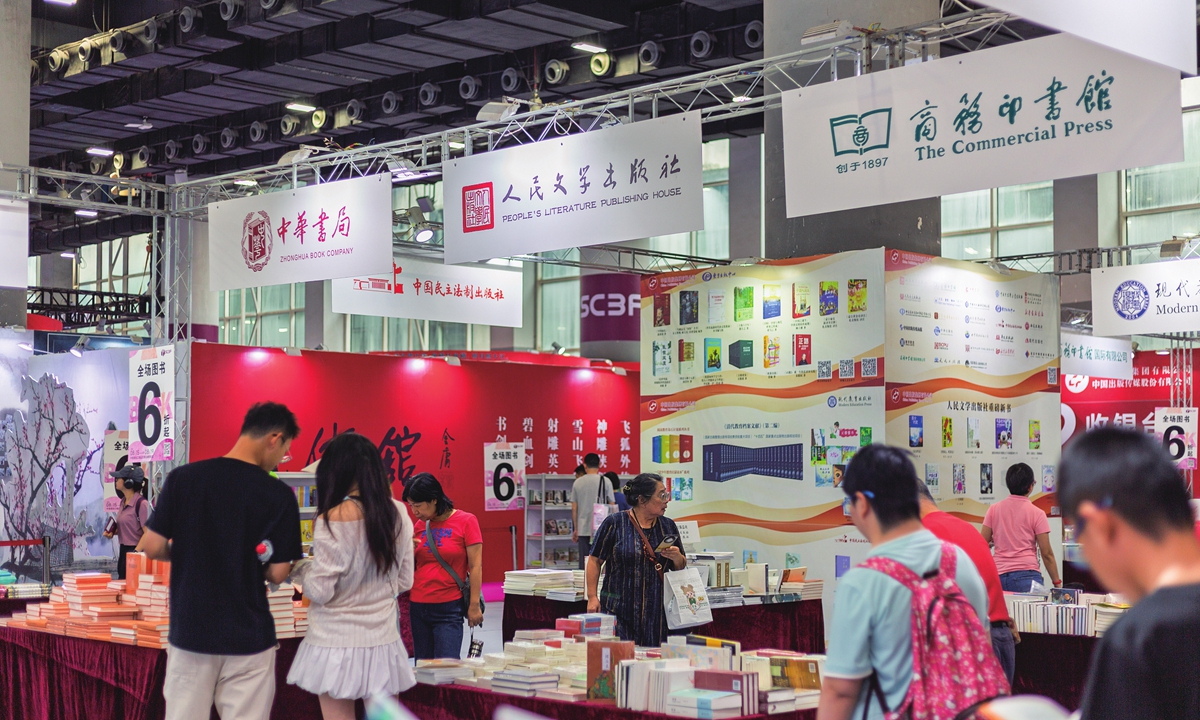
Photo: VCG
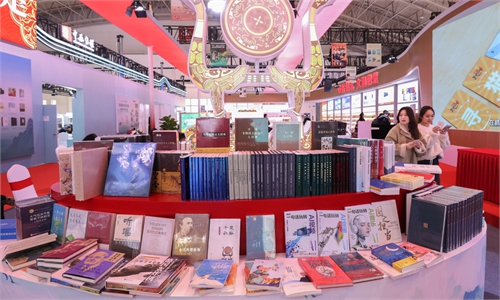
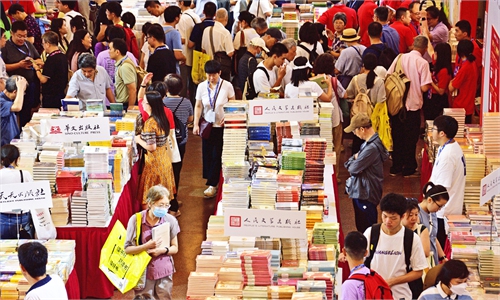
A diverse range of book fairs have flourished across China, rapidly transforming into one of the nation's most popular cultural and social scenes - especially among the young generation. Visitors are often first drawn in by the vibrant visuals: dazzling decor, artful installations and unique souvenirs. Yet beneath the surface, some in the publishing industry have raised an important question: Has the focus on appearances overshadowed the true soul of the book fair - its books and reading culture?A stroll through many book fairs today reveals a telling scene: stands dominated by creative cultural products, or wenchuang, with books sometimes relegated to the sidelines. This is not just a casual impression, but a shared concern among readers and publishing professionals. The dominance of products - stationery, souvenirs, themed crafts - often leaves books as mere supporting players. For some, this shift is distracting; for others, it challenges the original intentions of these events, according to the China Publishing & Media Journal.
Some publishers, such as XIRON, deliberately keep the proportion of cultural products at around 10 percent, dynamically adjusting to avoid overshadowing the books themselves. In contrast, a steadfast minority clearly reject creative products altogether. Ma Yuanyuan, senior sales manager at Unread, noted in an interview with the China Publishing & Media Journal, "Our booths only display books, never any creative merchandise. A book fair that becomes just another souvenir market is pointless. We simply want to connect books with readers who appreciate them."
Even more concerning than the imbalance between books and cultural products is the growing trend of visual sameness. Xie Huijun from the Guangxi Normal University Press pointed out that the endless stacking of posters, flyers, and decorative merchandise can create a crowded carnival effect, but actually leads to information overload and aesthetic fatigue for visitors, according to the China Publishing & Media Journal.
Some publishers have voiced concern over this trend, noting that excessive pursuit of visual impact can turn book markets into hollow spectacles. When substance is replaced by surface visuals, the essential mission of these gatherings - fostering a love of reading and cultural connection - might be lost.
Zhang Peng, an associate professor at Nanjing Normal University and also head of the university's press, told the Global Times that planning a book fair or running a book booth needs reader-centered curatorial thinking, which is essential to gain a deep understanding of readers' desire for high-quality reading content and their specific requirements.
In response to the issue, many publishers and organizers have chosen a different path, championing local identity and content-driven innovation. Some publishers such as Yilin Press and the Beijing October Literature and Art Publishing House now feature formats like writer-reader meetups, where editors and authors hold in-depth conversations with visitors, encouraging fans to engage directly with books rather than products.
In Kunming, Southwest China's Yunnan Province, nearly 30 publishers set up book stalls amid vegetable stands during this year's May Day holidays, holding a book fair inside a local market. The striking contrast between vegetables and books created a stronger visual impact than most designed displays. There books and cabbages can share the same shopping bags, and poetry can mingle with the calls of vendors. In this way, reading becomes both a part of daily life and the ingredients for meals.
"It was truly a novel sensation," said one user of the social media platform Xiaohongshu, or RedNote, who attended the unique book fair in Kunming. She observed that many people sat in a makeshift reading area fashioned from blue plastic crates, absorbed in their books. "It expands the possibilities of what a bookstore can be, while reshaping the image of the market itself," she said.
Decoration, creative products, and a lively atmosphere can enhance the experience, but should never eclipse the irreplaceable value of books themselves. The true purpose of a book fair is to serve as a bridge, connecting readers and literature, and nurturing a space of discovery and genuine conversation.
The author is a reporter with the Global Times. life@globaltimes.com.cn
RELATED ARTICLES