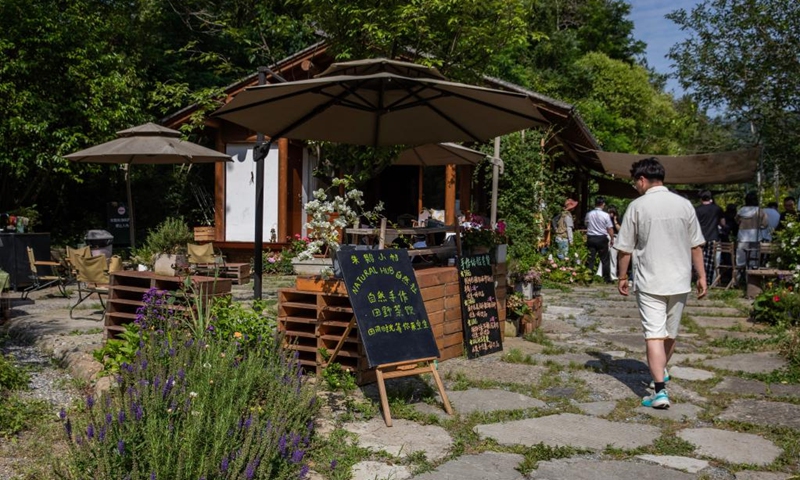
Tourists visit the Caochiwan crested ibis village in Ankang City, northwest China's Shaanxi Province, June 6, 2026. The Caochiwan crested ibis village serves as a habitat for these precious birds. The village has built a symbiotic ecosystem that include fish and shrimp farming and paddy rice planting on top of a core reserve for wild crested ibises. It also grows organic agricultural products such as selenium-rich rice and lotus roots, and converted idle rural houses into homestays to develop eco-tourism. Photo: Xinhua
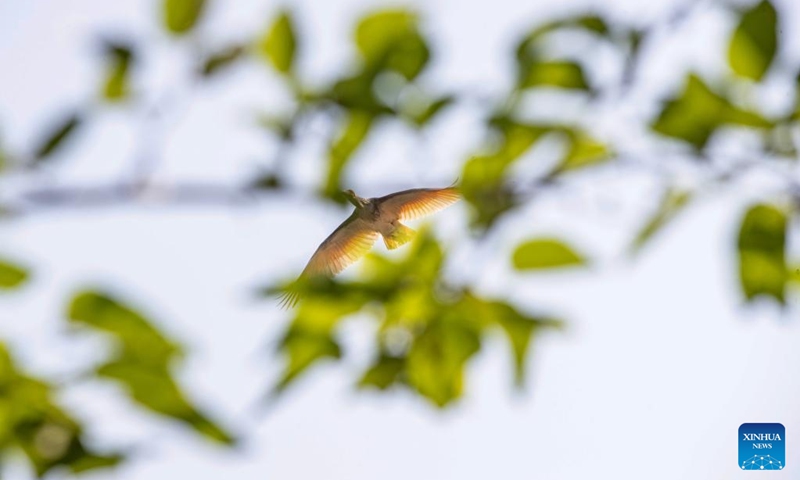
A crested ibis flies over the Caochiwan crested ibis village in Ankang City, northwest China's Shaanxi Province, June 6, 2026. The Caochiwan crested ibis village serves as a habitat for these precious birds. The village has built a symbiotic ecosystem that include fish and shrimp farming and paddy rice planting on top of a core reserve for wild crested ibises. It also grows organic agricultural products such as selenium-rich rice and lotus roots, and converted idle rural houses into homestays to develop eco-tourism. Photo: Xinhua
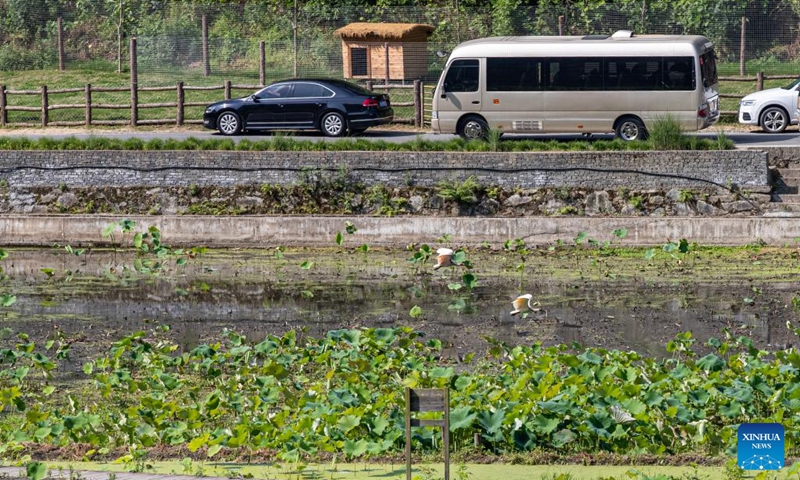
Crested ibises forage in a pond at Caochiwan crested ibis village of Ankang City, northwest China's Shaanxi Province, June 6, 2026. The Caochiwan crested ibis village serves as a habitat for these precious birds. The village has built a symbiotic ecosystem that include fish and shrimp farming and paddy rice planting on top of a core reserve for wild crested ibises. It also grows organic agricultural products such as selenium-rich rice and lotus roots, and converted idle rural houses into homestays to develop eco-tourism. Photo: Xinhua
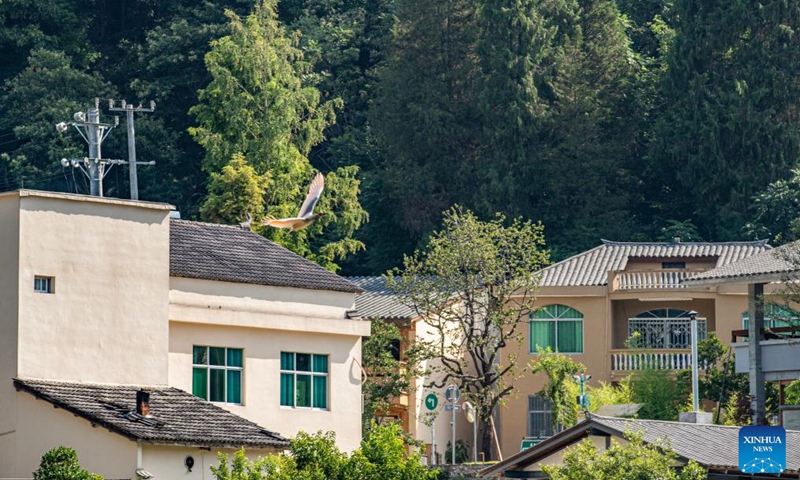
A crested ibis flies over the Caochiwan crested ibis village in Ankang City, northwest China's Shaanxi Province, June 6, 2026. The Caochiwan crested ibis village serves as a habitat for these precious birds. The village has built a symbiotic ecosystem that include fish and shrimp farming and paddy rice planting on top of a core reserve for wild crested ibises. It also grows organic agricultural products such as selenium-rich rice and lotus roots, and converted idle rural houses into homestays to develop eco-tourism. Photo: Xinhua
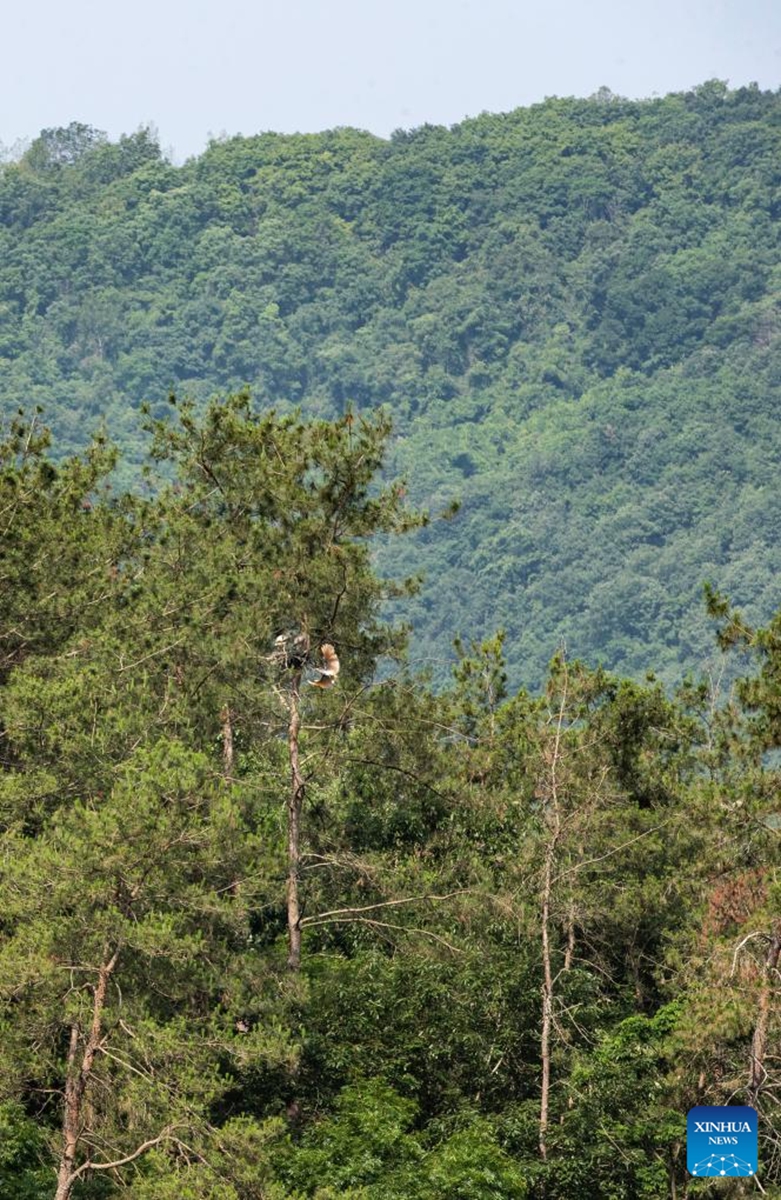
A crested ibis flies back to its nest at the forest of Caochiwan crested ibis village in Ankang City, northwest China's Shaanxi Province, June 6, 2026. The Caochiwan crested ibis village serves as a habitat for these precious birds. The village has built a symbiotic ecosystem that include fish and shrimp farming and paddy rice planting on top of a core reserve for wild crested ibises. It also grows organic agricultural products such as selenium-rich rice and lotus roots, and converted idle rural houses into homestays to develop eco-tourism. Photo: Xinhua
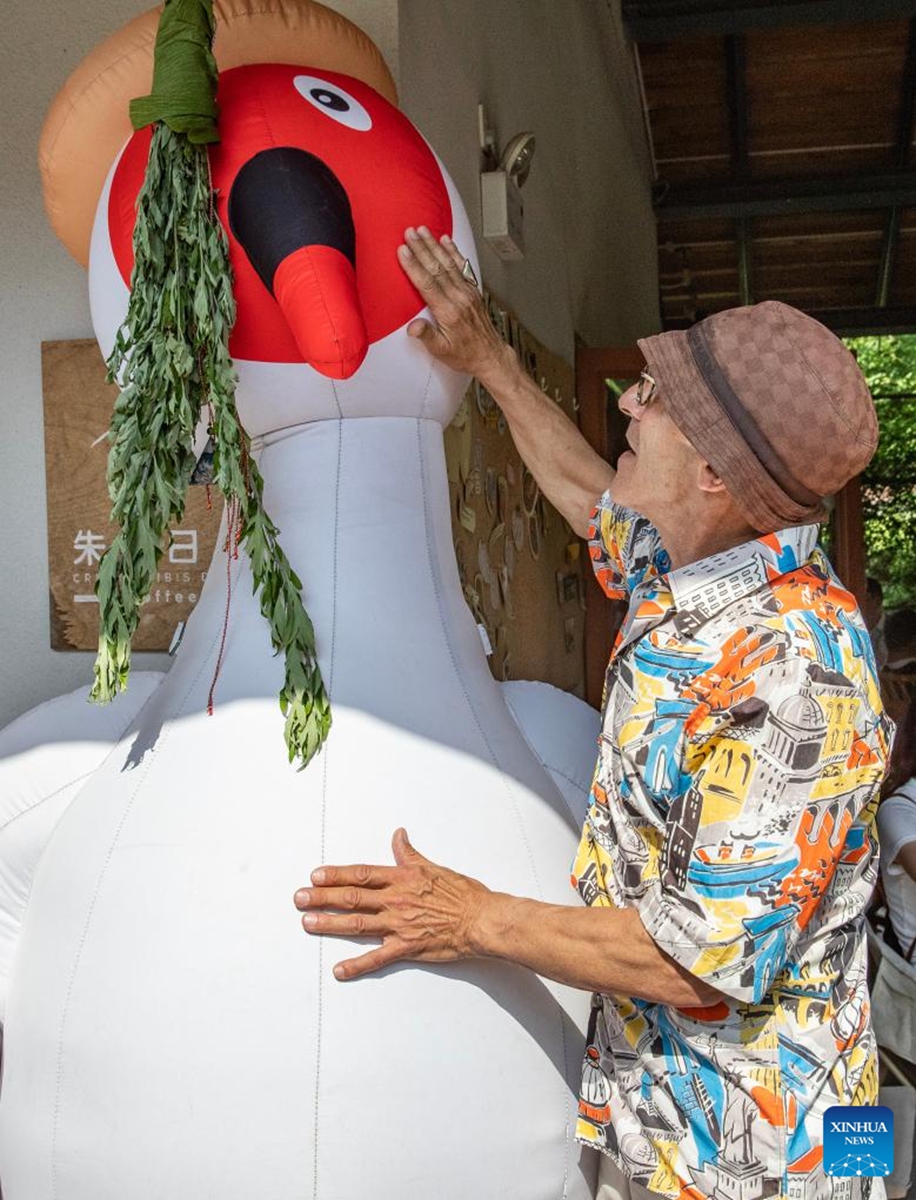
A Swedish tourist interacts with a crested ibis installation at Caochiwan crested ibis village of Ankang City, northwest China's Shaanxi Province, June 6, 2026. The Caochiwan crested ibis village serves as a habitat for these precious birds. The village has built a symbiotic ecosystem that include fish and shrimp farming and paddy rice planting on top of a core reserve for wild crested ibises. It also grows organic agricultural products such as selenium-rich rice and lotus roots, and converted idle rural houses into homestays to develop eco-tourism. Photo: Xinhua
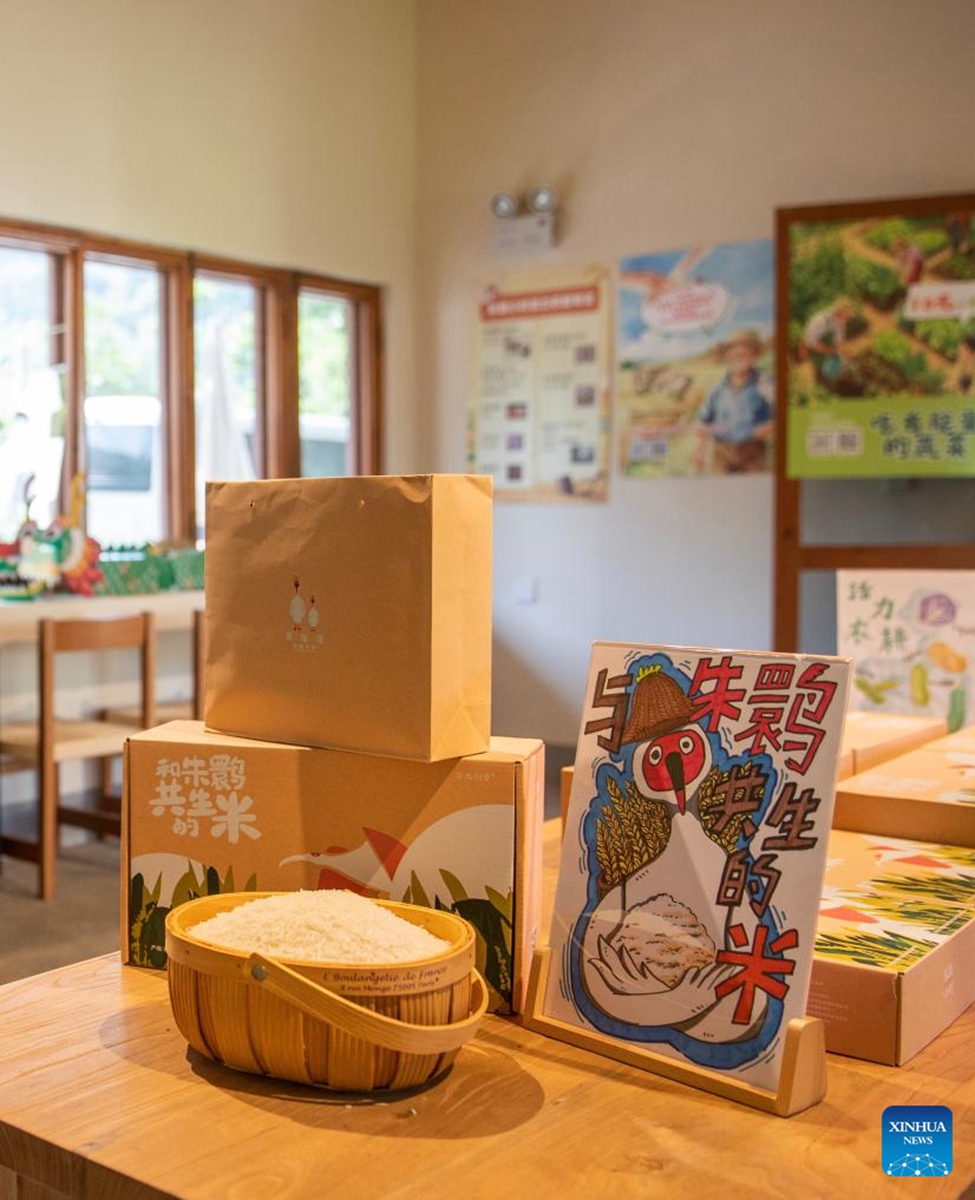
Organic rice products are seen at Caochiwan crested ibis village of Ankang City, northwest China's Shaanxi Province, June 6, 2026. The Caochiwan crested ibis village serves as a habitat for these precious birds. The village has built a symbiotic ecosystem that include fish and shrimp farming and paddy rice planting on top of a core reserve for wild crested ibises. It also grows organic agricultural products such as selenium-rich rice and lotus roots, and converted idle rural houses into homestays to develop eco-tourism. Photo: Xinhua
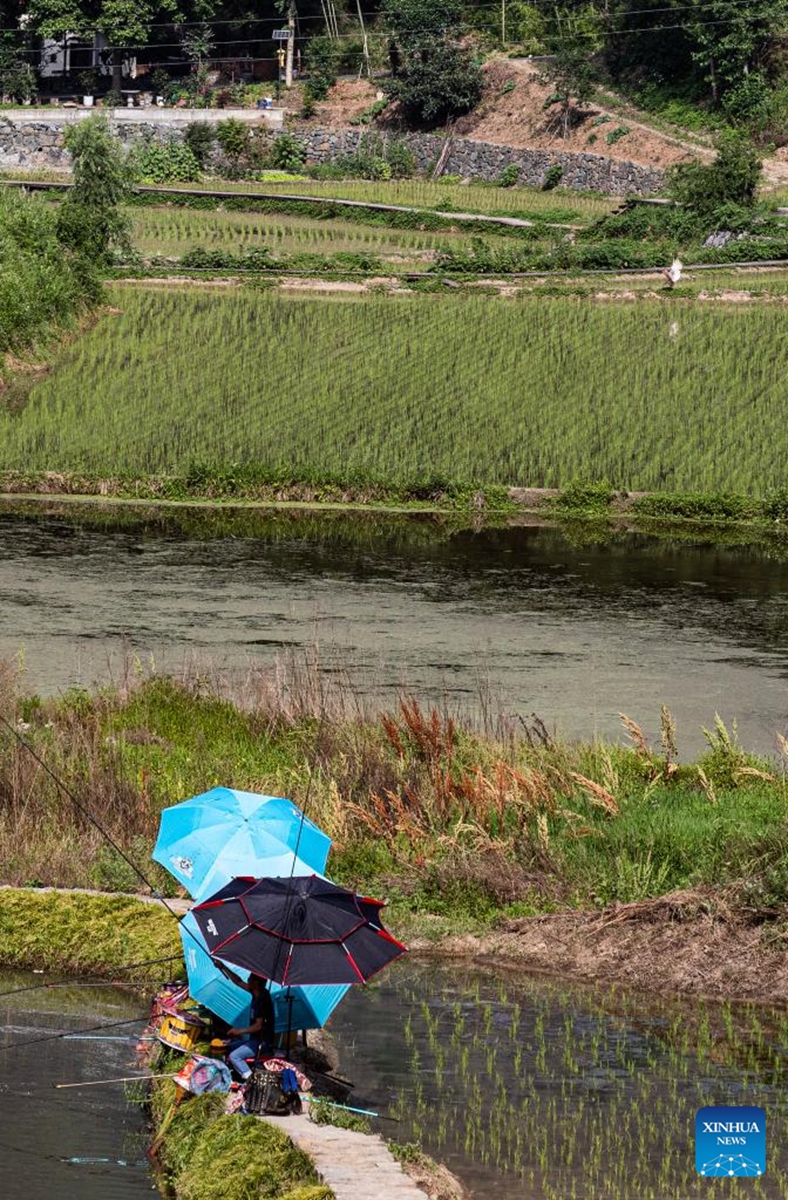
Tourists fish for fun while a crested ibis forages at a nearby paddy field at Caochiwan crested ibis village of Ankang City, northwest China's Shaanxi Province, June 6, 2026. The Caochiwan crested ibis village serves as a habitat for these precious birds. The village has built a symbiotic ecosystem that include fish and shrimp farming and paddy rice planting on top of a core reserve for wild crested ibises. It also grows organic agricultural products such as selenium-rich rice and lotus roots, and converted idle rural houses into homestays to develop eco-tourism. Photo: Xinhua
