ARTS / FILM
Promotions of film, TV series need sincerity and creativity instead of hype
By Published: Jun 11, 2026 10:04 PM

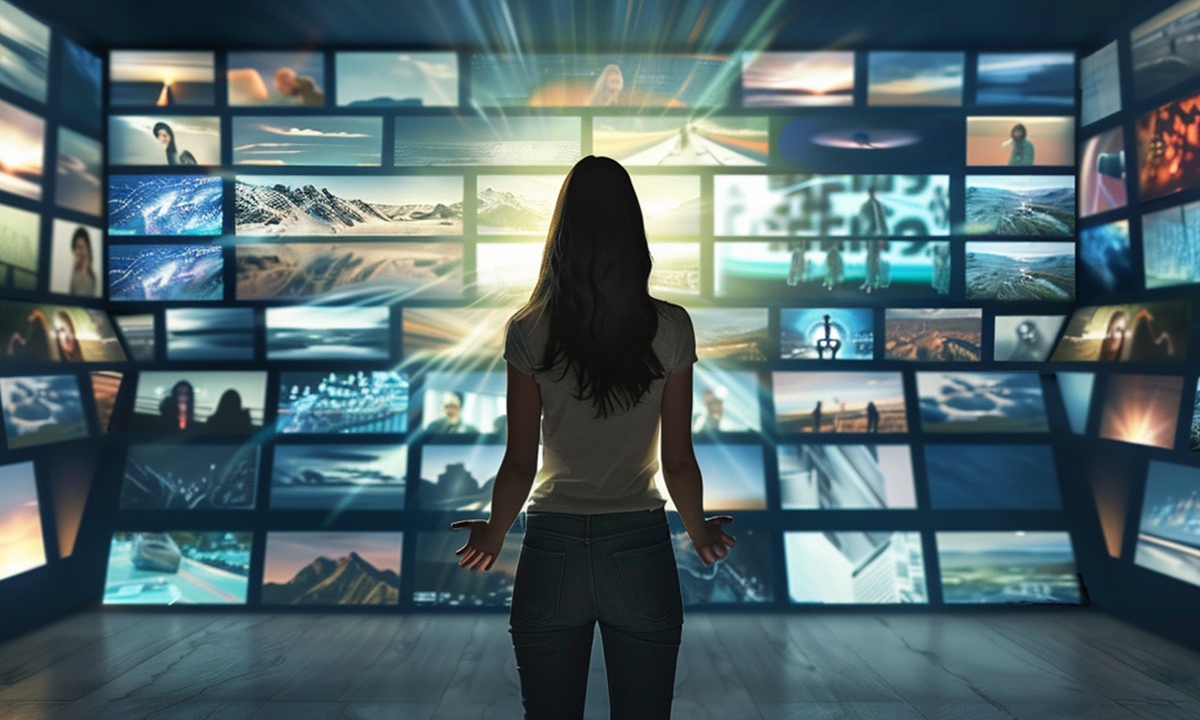
Photo IC
It is a common story these days: After seeing an attractive trailer or a flashy short video online, netizens decide to start watching a new film or TV series, only to be disappointed. The clips looked amazing:The drama was intense, the editing fast, the stars glamorous.However, when audiences actually watch the show, it turns out bland, over-padded, and they quickly loses their interest. The promotion was incredible. The real thing? Not so much.
This growing gap between promotion and the actual quality of many film or TV productions is beginning to anger and tire audiences, leading to real questions about the direction of these works on screen. Has hype replaced heart? And has promotion become more important than the story itself?
Some filmmakers and studios now devote a great deal of money and energy to short video teasers, creating hot topics on social media platforms and eye-catching launch events. It is easy to see why: A well-made promo video can go viral online and quickly rack up millions of views. But the result is predictable. Trailers stitch together all the "highlights," while the full series is thin, or simply boring. This cheapens the experience for everyone, Ding Daoshi, a veteran analyst in the internet sector, told the Global Times on Thursday.
There have been lots of comments under those short videos about behind-the-scene production stories of a film or a certain fragment of an episode of a TV drama, saying that they were tricked by these clips but finally got disappointed about the quality of the full show.
There is another problem too: Today's promotional strategies are almost all the same. Whether it is a big movie, a small drama, or a web series, the style is nearly identical: similar programs at premiere ceremonies such as the main cast performing a viral dance, endless short-video compilations, and repetitive hashtag trends. These approaches blur together and rarely highlight what actually makes any story unique or worth watching.
"It not only reveals the film and TV industry's anxiety about gaining attention, but also weakens the value of the work itself," Shi Wenxue, a film critic and a director, told the Global Times on Thursday.
As a result, viewers sometimes misunderstand or never even get a clear sense of the show's true message. The soul of the story gets lost in the noise. Without a real connection to the story, even the best advertising cannot turn curious clicks into genuine appreciation.
Film and TV promotion should not just chase quick attention. Its real purpose is to introduce and explain the creative core of a work - what makes a story special, what thoughts it is built on, and what its makers hope to communicate. Good promotion starts with the content itself.
The author is a reporter with the Global Times. life@globaltimes.com.cn
RELATED ARTICLES