BRASIL 247 / MORE
Brazil launches new R$18.5 billion financing package for tariff-hit exporters
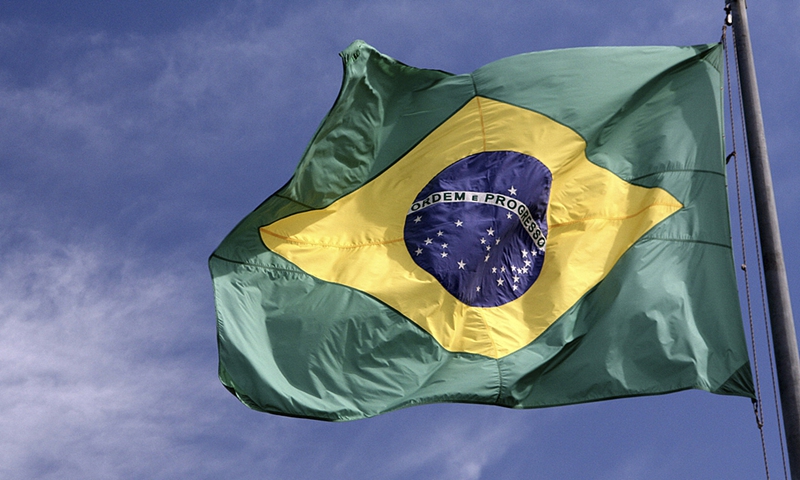
Photo: CFP
The Brazilian government announced on Wednesday a new phase of the Brazil Sovereign Plan (Plano Brasil Soberano), allocating R$18.5 billion ($3.7 billion) in financing to strengthen Brazilian companies affected by US trade tariffs, international conflicts and the growing protectionism in global trade, according to Brasil 247.
The third phase of the program will be funded with R$13.5 billion from the National Treasury and R$5 billion from the Brazilian Development Bank (BNDES). The financing may be used for working capital, capital goods purchases, productive investments, technological innovation, product and process adaptation, and the expansion into new markets.
The new phase will be implemented through a provisional measure signed by President Luiz Inácio Lula da Silva on Wednesday and submitted to the National Congress.
The measure authorizes the combined use of National Treasury resources and BNDES's own funds, expanding the program's financing capacity for exporting companies and sectors considered strategic to the Brazilian economy.
Also on Wednesday, Lula signed into law Conversion Bill No. 7, derived from Provisional Measure No. 1,345, which originally established the financing lines under the Brazil Sovereign Plan.
Initially designed for exporters of industrial goods and their suppliers, the program was expanded during its passage through Congress.
Under the new legislation, exporters in agriculture, livestock, planted forests, fisheries, aquaculture and mining, as well as cooperatives and associations linked to these sectors, will also be eligible for the credit lines.
The law also authorizes the use of innovation funding to finance adjustments required by international trade regulations, including sanitary, phytosanitary, environmental, traceability and compliance standards.
Among the main beneficiaries of the new phase are companies affected by tariffs imposed by the US under Sections 232 and 301 of US trade legislation.
Section 232 measures affect industries including steel, aluminum, automobiles and furniture. Section 301 tariffs apply to products such as wood, coal, machinery and electrical equipment, ceramics, plastics, footwear, paper and sugar.
The program will also support companies affected by international conflicts, particularly those exporting to Gulf countries, including Saudi Arabia, Bahrain, Qatar, the United Arab Emirates, Iraq, Iran, Kuwait and Oman.
In addition, financing will be available for sectors considered strategic to Brazil's trade balance and productive security, including fertilizers, critical and strategic minerals, chemicals, pharmaceuticals, textiles, automotive products, electronic equipment, machinery and electrical materials.
The Brazil Sovereign Plan was created to preserve companies, jobs, investments and Brazil's export capacity amid changes in international trade.
The program's first phase, launched in 2025, provided R$16 billion in financing. The second phase, announced in 2026, has a budget of R$21 billion and has already received financing requests totaling R$19.5 billion, with R$10.6 billion approved by BNDES.
According to the bank, R$7.5 billion of the requested financing is earmarked for productive investment and innovation, R$6.1 billion for working capital, R$4.7 billion for export-related working capital and R$1.2 billion for capital goods acquisition.
A total of 677 projects have been submitted under the program, including 313 proposed by micro, small and medium-sized enterprises.
(Reported by Brasil 247 on July 22, 2026)
